

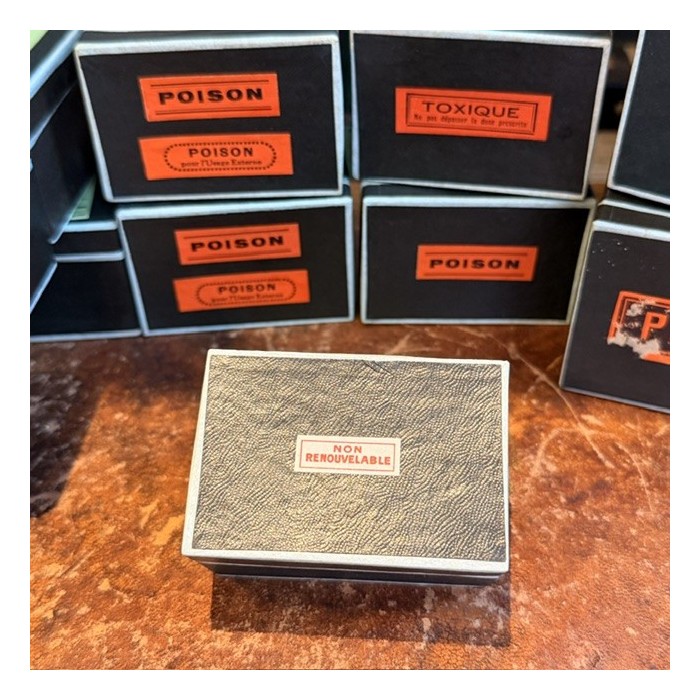
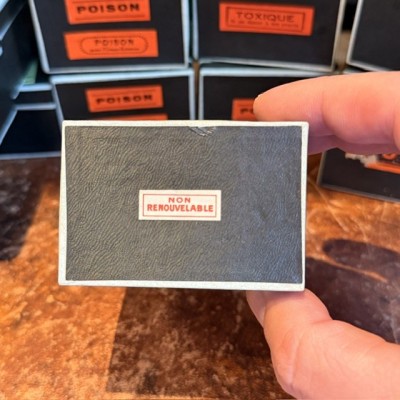
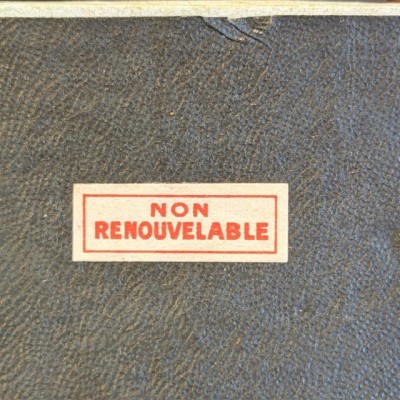
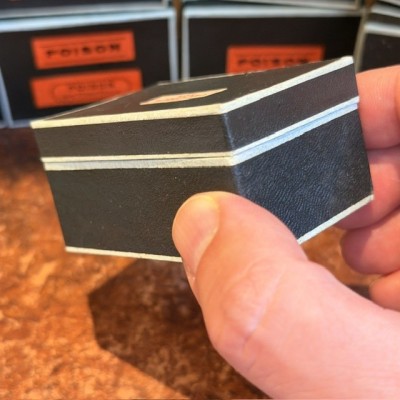
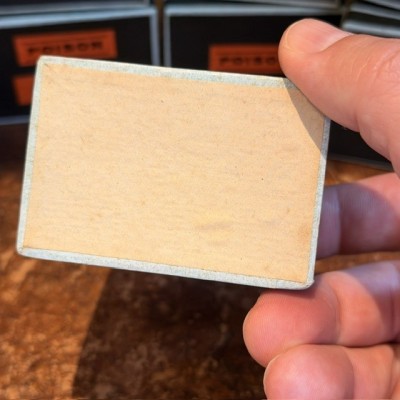
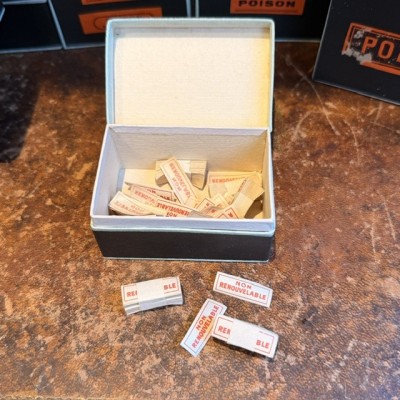
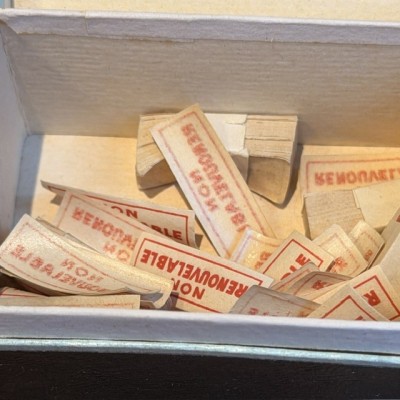
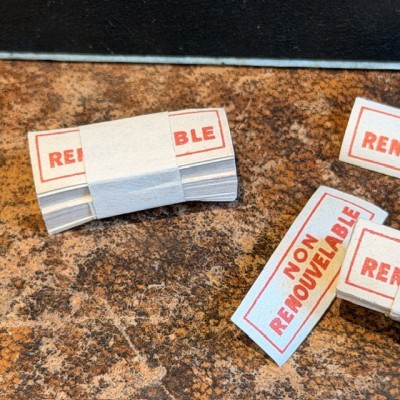
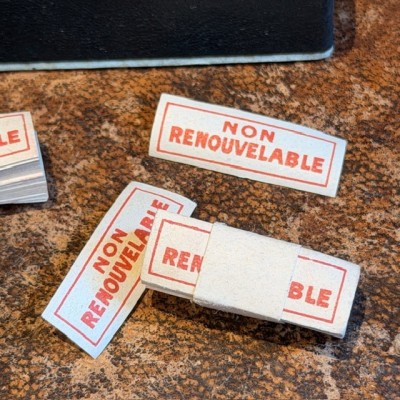
Antique labels in a pharmacy box for cures made of canvas cardboard
Non-renewable label
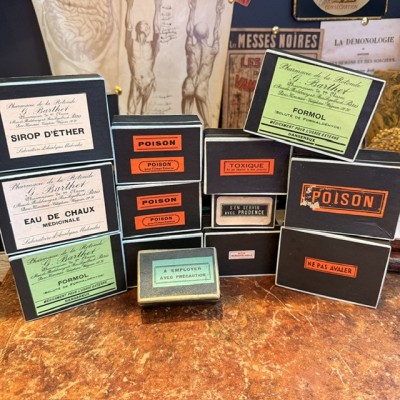
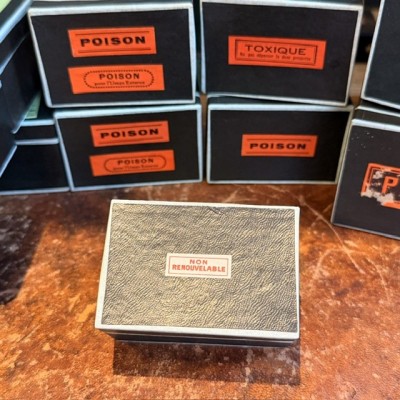
The pharmacist used his boxes of medicine to put away the labels he would then put on the bottles that he would resell to his customers.
Antique labels in a pharmacy box for cures made of canvas cardboard
Non-renewable label
The pharmacist used his boxes of medicine to put away the labels he would then put on the bottles that he would resell to his customers.
Comes from an old cellar-laboratory of a Parisian pharmacy. The bottles and other products had not moved since the late 1950s on the shelves. The cellar had served as a laboratory for medical analyses and a laboratory for magistral preparations of the pharmacy from 1900 until around 1950.
Box dimensions: 7x4.5cm Height: 3.5cm
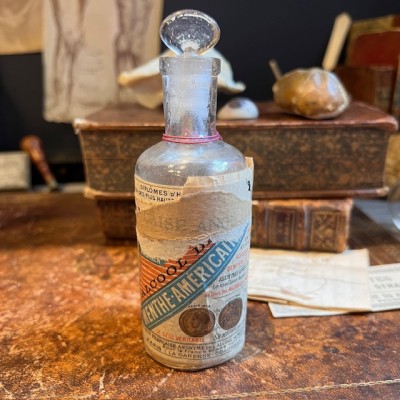
American mint alcohol
Antique pharmacy bottle
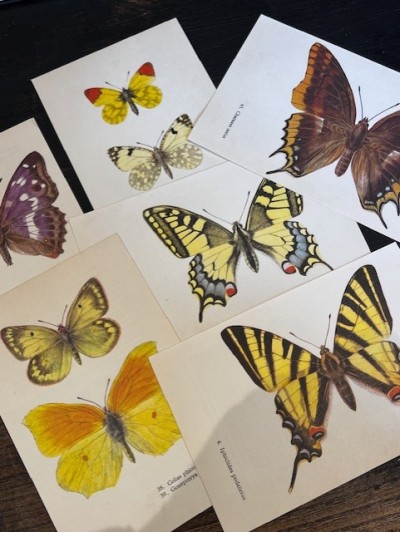
Butterfly - Natural History color plate
Entomology
You buy 1 plate, not the whole set
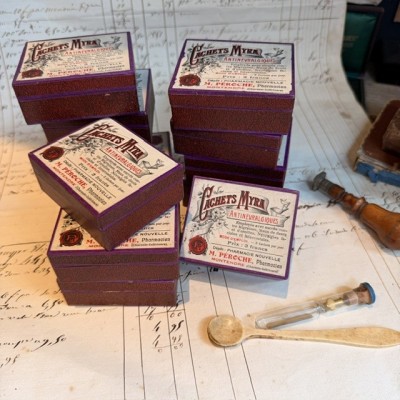
Antique pharmacy box for remedy made of canvas cardboard
Myra pills
Covering in sumptuous red maroquiné/chagrin paper, with edges and slices enhanced with a deep violet/purple very characteristic of the creations of the late nineteenth and early twentieth century: 1890/1910.
You buy 1 box but not the lot
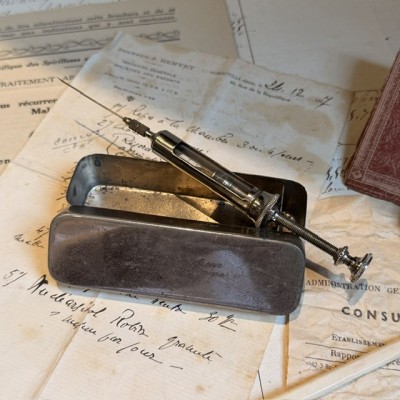
Antique Pravaz hypodermic syringe
Early 20th century
A glass and metal syringe in its metal case, the lid of which is engraved with the inscription: Syringe for hypodermic injections
not functional
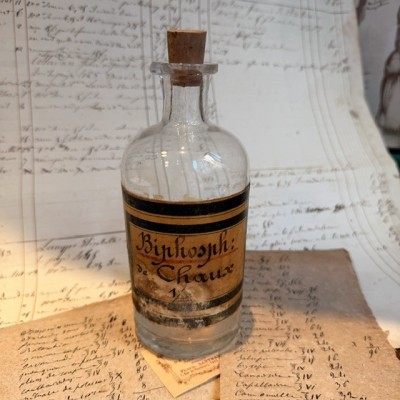
Biphosphate de Chaux
Antique pharmacy bottle
EMPTY
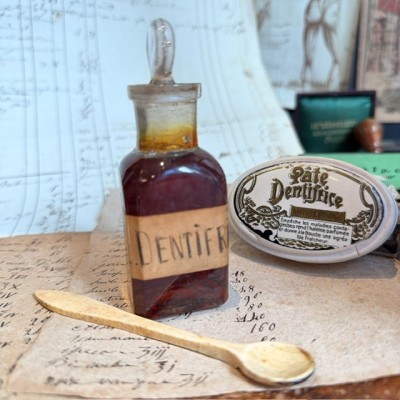
Toothpaste elixir
Antique pharmacy bottle
Handwritten label with pen
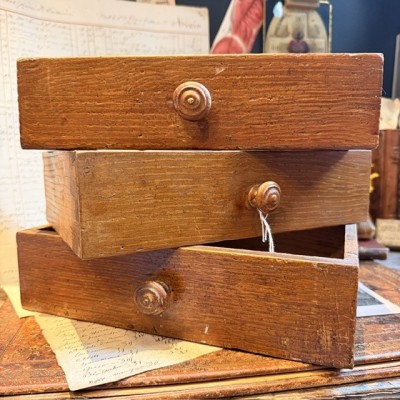
The Apothecary’s Little Drawer
Small antique wooden apothecary’s drawer that can be used as a storage box – Trade drawer
To be diverted on the shelf or niche for your curiosities
Handcrafted using traditional methods, with dovetail joints and a turned wooden handle
Width: 26cm - Length: 15.5cm - Height: 5.5cm
All the drawers are different, with stains and varying signs of age on each one
Sold empty, without accessories
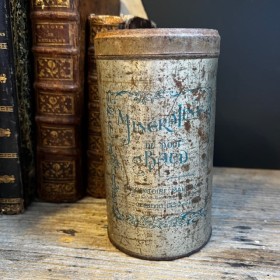
Mineraline by Dr C. Baud
Antique tin pharmacy box
Powder or talcum powder for children's toiletries
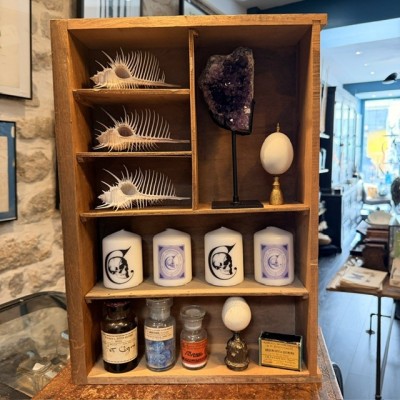
Large antique wooden pharmacy drawer with compartments
6 compartments
Curiosity shelf
Ref C - 48x34.5cm - Thickness 9.5cm
Can be used as a presentation furniture
SOLD EMPTY WITHOUT ACCESSORIES
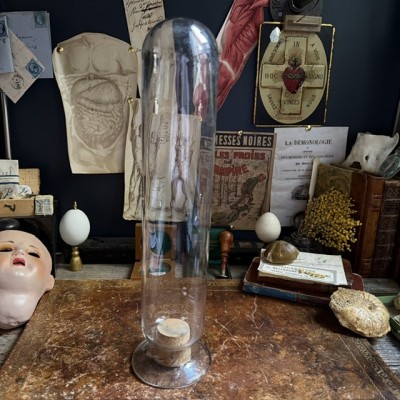
Specimen jar in blown glass - Inverted apothecary jar - Seed vase
Size L
A vintage laboratory or conservatory container designed for the display and preservation of biological or botanical specimens
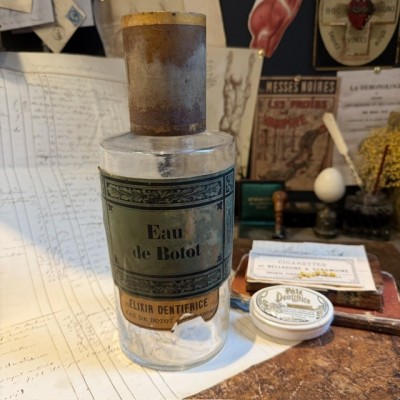
Eau de Botot - Tooth-cleansing Elixir
CODEX 1884
Antique 19th-century pharmacy bottle
EMPTY
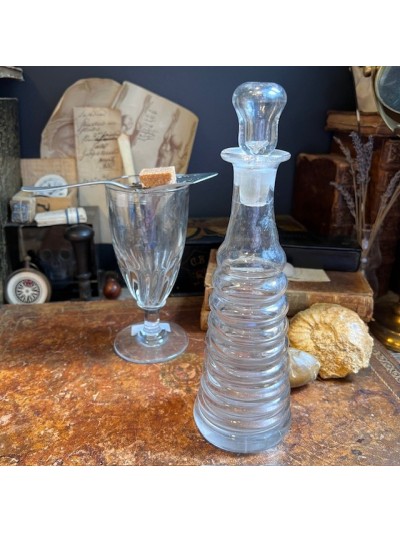
An antique absinthe topette (decanter)
10 Beaded Topette
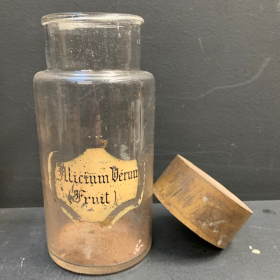
Antique pharmacy jar: Illicium verum (Fruit) / Star anise
Glass pharmacy bottle - XIXth century

Carbonate de Potasse
Antique pharmacy bottle
Early 20th century (circa 1910 - 1920)
EMPTY
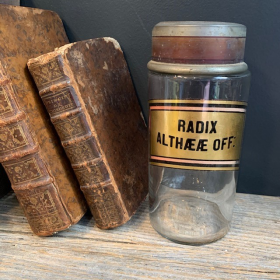
Antique 19th century pharmacy bottle
Radix althaeae Off - Marshmallow
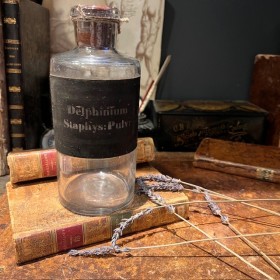
Delphinium staphisagria - Stavesacre
Pharmacy jar - Herbalism - Apothecary bottle
Late 19th century, early 20th century.
Antique labels in a pharmacy box for cures made of canvas cardboard
Non-renewable label
The pharmacist used his boxes of medicine to put away the labels he would then put on the bottles that he would resell to his customers.