
Antique glass eye - cristal ball - prosthetic eye
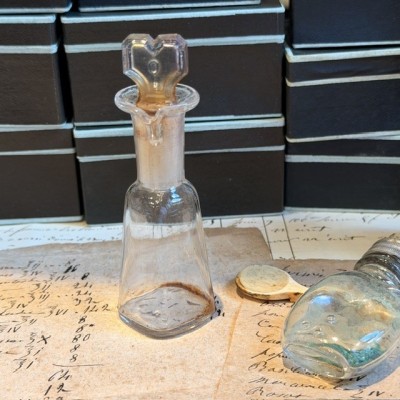
Antique glass eye
Real antique eye prosthesis
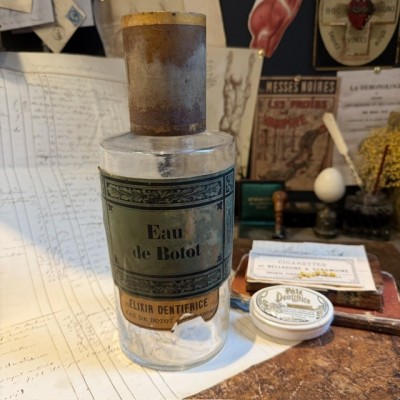
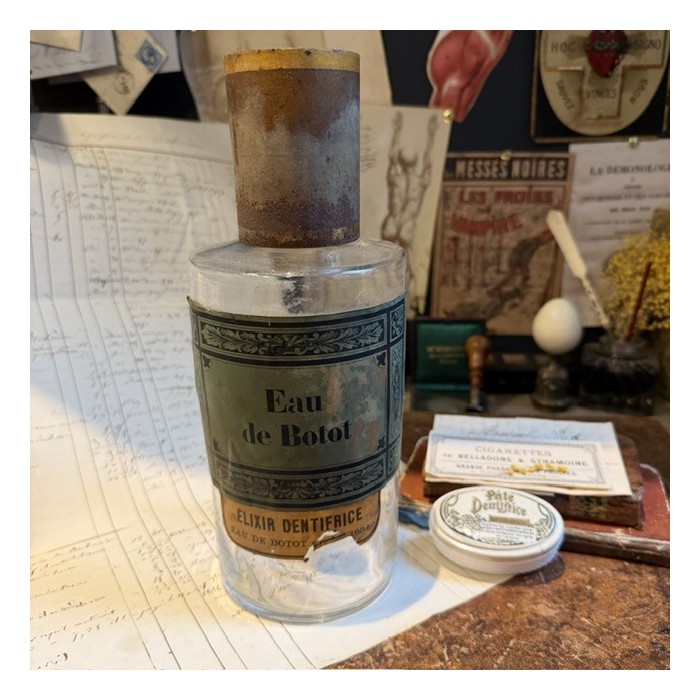
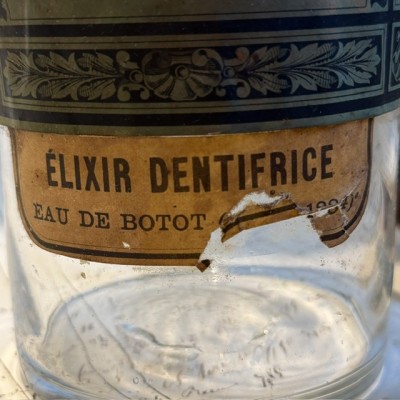
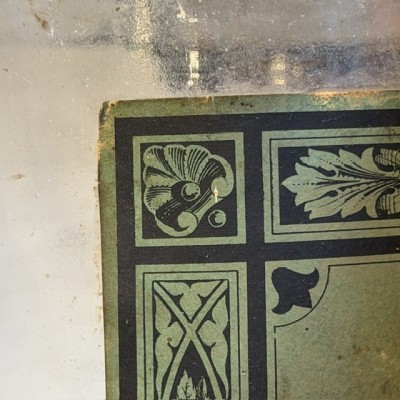
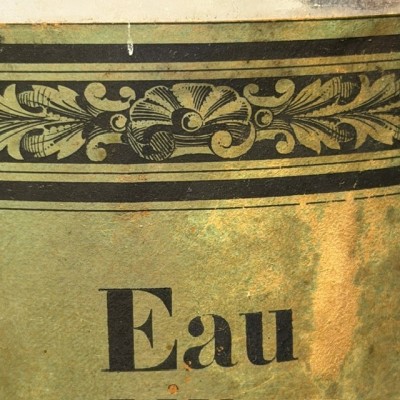
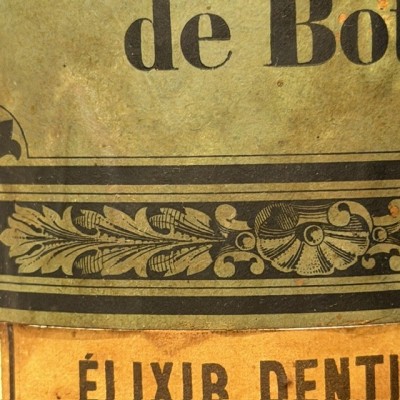
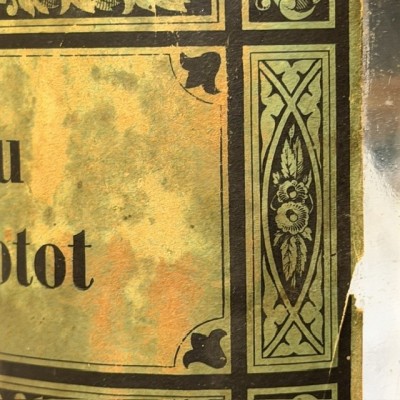
Eau de Botot - Tooth-cleansing Elixir
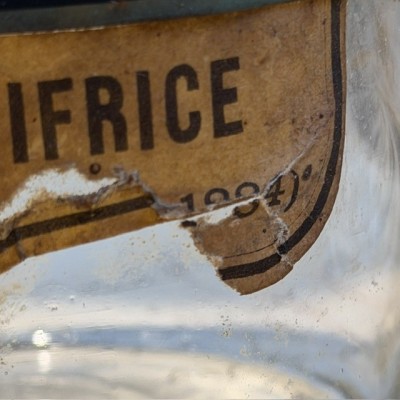
CODEX 1884
Antique 19th-century pharmacy bottle
EMPTY
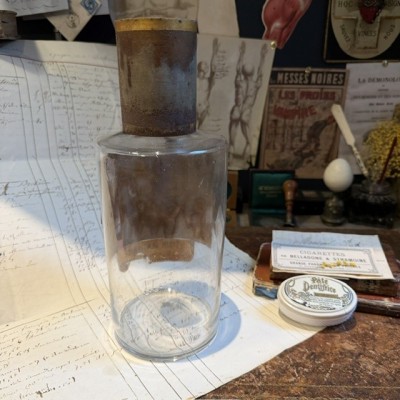
Eau de Botot - Tooth-cleansing Elixir
CODEX 1884
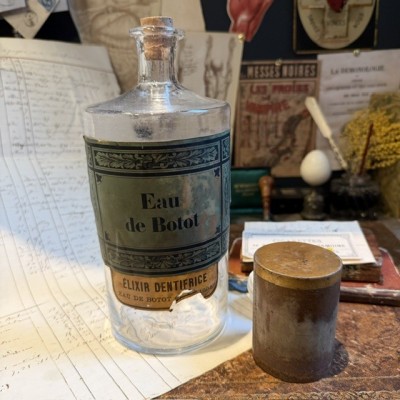
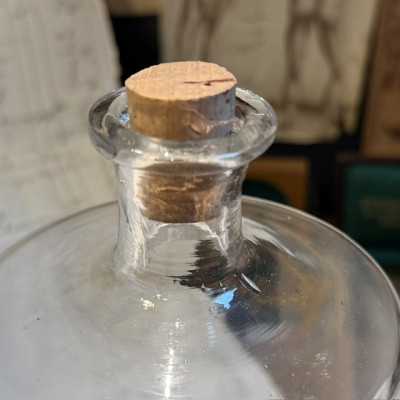
Antique 19th-century pharmacy bottle – Mouth-blown glass – Cork stopper and metal cap
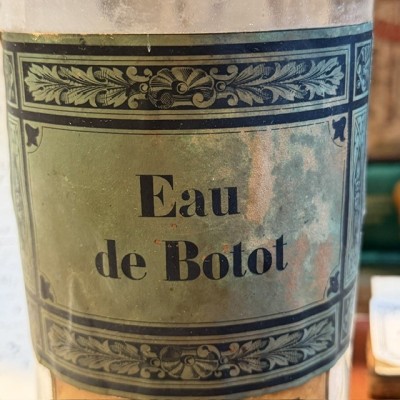
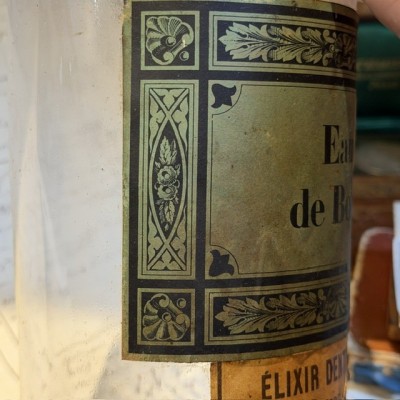
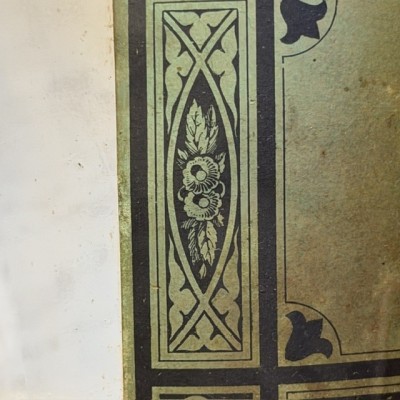
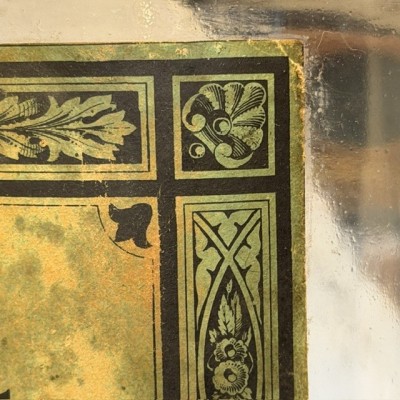
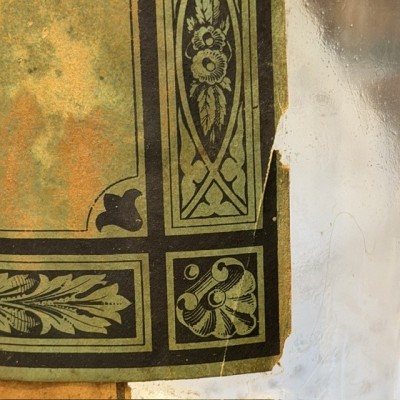
Beautiful 19th-century label. The cartouche, with its acanthus scrolls and Didone typeface (recognisable by the letter ‘y’, for example), is highly representative of the aesthetic of French apothecary shops in the second half of the 19th century.
Created in the 18th century by Julien Botot for King Louis XV, this elixir made from cinnamon, cloves and star anise is considered to be the first mouthwash in history.
Label with inscriptions: ---- 1884: Undoubtedly CODEX 1884, an indication that the preparation complies with the official formula of the French Pharmacopoeia (the famous Codex) published in 1884
Bottle height: 24cm Diameter: 9.5cm
EMPTY
Antique glass eye
Real antique eye prosthesis
Le corps de l'Homme
Anatomical colour plates with cut-out superimposed leaves
By Edmond Perrier - Schleicher Frères & Cie Editeurs
No date, circa 1900
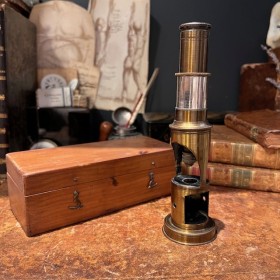
Antique and large drum microscope
In it's mahogany wooden box
For botanist, entomologist - XIXth century
This is a larger model than those usually found on the market
Racine de Ratanhia - Para Rhatany
Pharmacy jar - Herbalism - Apothecary bottle
Packet of Potato Starch
Circa 1920
New old stock
Antique Laundry blue box - Helvetia Blue from Talissot & Chevalier in Dôle and Geneva
Period: 1890-1905
Box containing 6 gold-plated “coins” made of blue wash, resembling the iconography of Swiss coins and medals from the late 19th and early 20th centuries.
Beautiful blue and gold illustration on the box.
Your box will be sealed: never opened in 120 years
UNOBTAINABLE
Mercury Chalk – Treatment for Syphilis
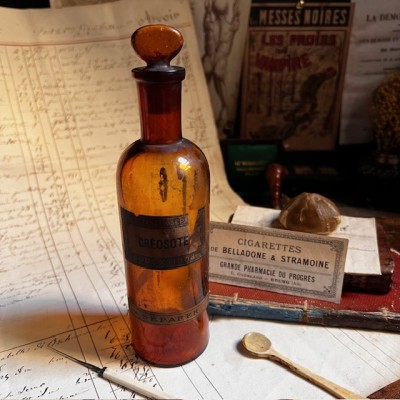
Antique amber glass bottle, with a boxwood and cork stopper.
Handwritten label, pen inscription ‘Mercurial Chalk’, neat calligraphy with its thick and thin strokes.
Bottom band ‘TO BE SEPARATED’, instructing the pharmacist to store it in the cabinet for toxic substances, the famous poison cabinet.
It comes from the former cellar-laboratory of a Parisian pharmacy. The bottles had not been moved from the shelves since the late 1950s. The cellar had served as a medical analysis laboratory and a laboratory for the pharmacy’s compounded preparations from 1900 until around 1950.
Period: Judging by the handwriting, late 19th century
EMPTY
Bibliothèque Choisie de Médecine - Volume 16
Selected Library of Medicine
By François PLANQUE - 1761
Complete original edition with 10 fold-out plates
70° alcohol
Antique pharmacy bottle - Apothecary
Mrs Bataille-Simon, First Class Pharmacist in Beaumont sur Sarthe - Tel 9
Anatomical Atlas by A. Bossu
Anthropology - End of the XIXth century
20 engravings of Anatomy by Léveillé
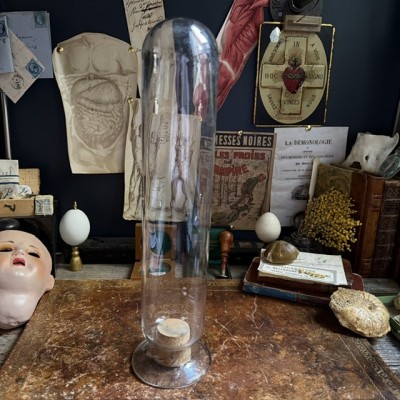
19th century Herbalist's or Pharmacy crystal jar
Iris
Adrenaline Solution at 1‰
Antique pharmacy bottle
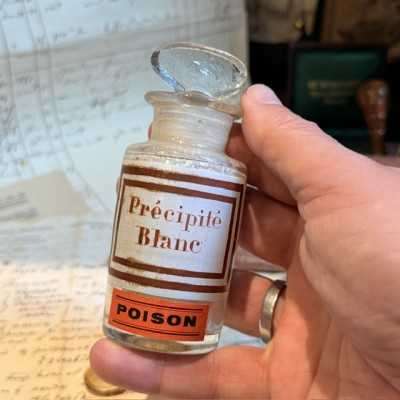
Label leftovers: TO BE SEPARATED and POISON label
This means that this bottle had to be kept separate from the others because it was dangerous - POISON
EMPTY
Soufre sublimé - Sublimed sulfur
Pharmacy jar - Herbalism - Apothecary bottle
Antique pharmacy bottle
BIOLACTYL Ferment Fournier - Early 1900
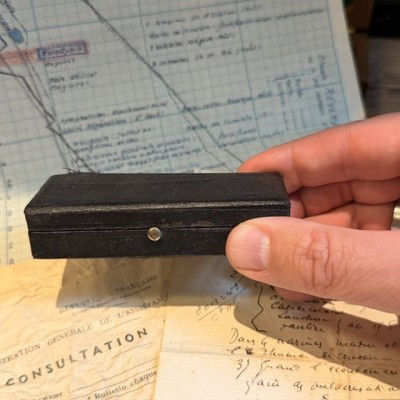
Dr Potain vacuum cleaner in its case
Late 19th century - 1885-1894
Antique medical instrument from manufacturer MATHIEU in Paris
non-functional
Eau de Botot - Tooth-cleansing Elixir
CODEX 1884
Antique 19th-century pharmacy bottle
EMPTY