
- New
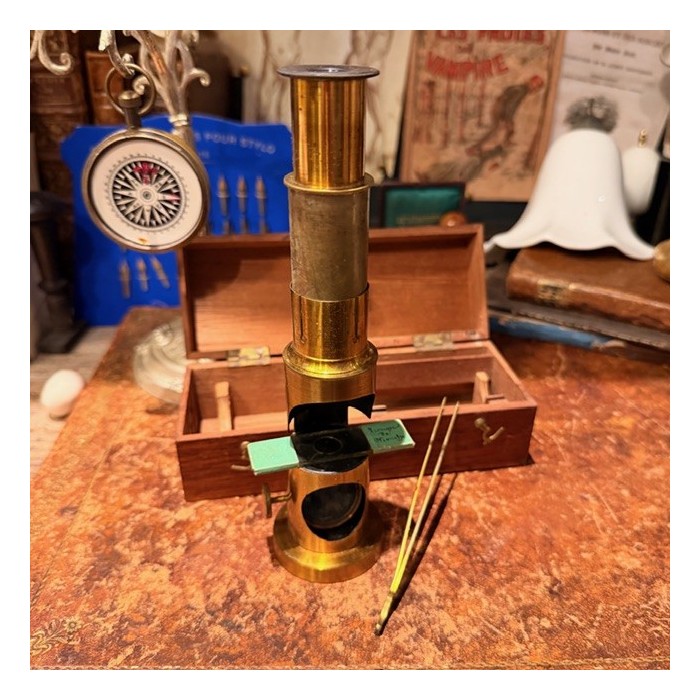
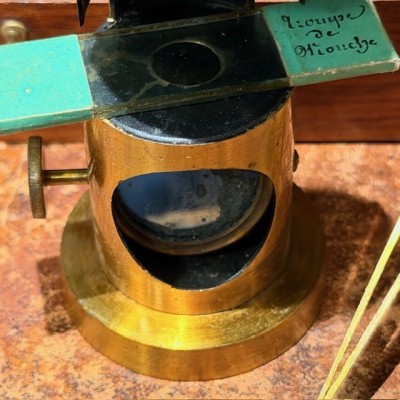
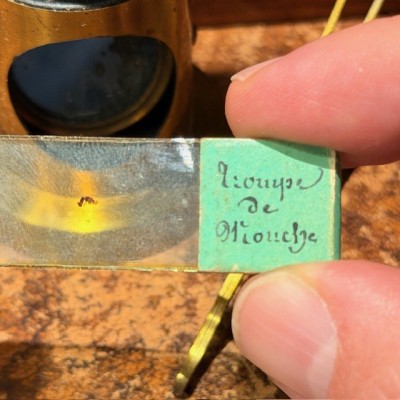
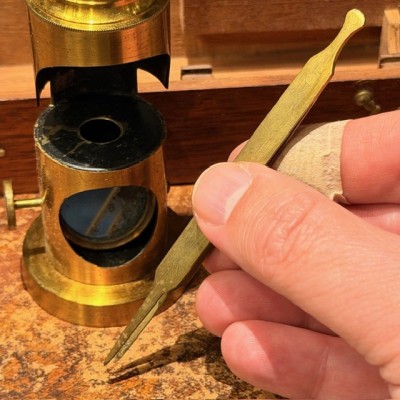
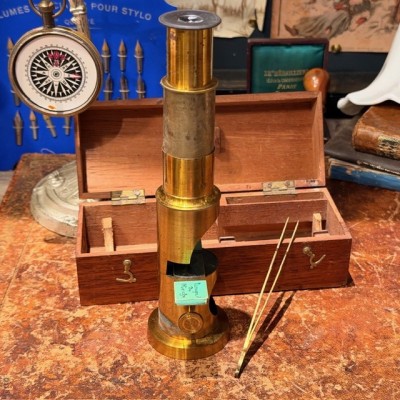
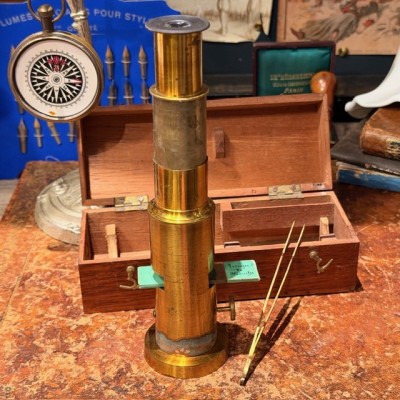
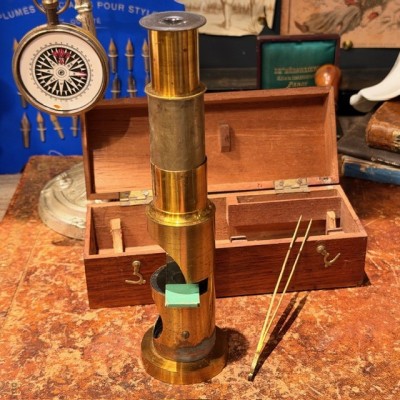
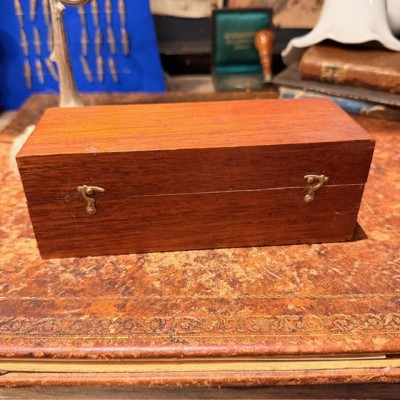
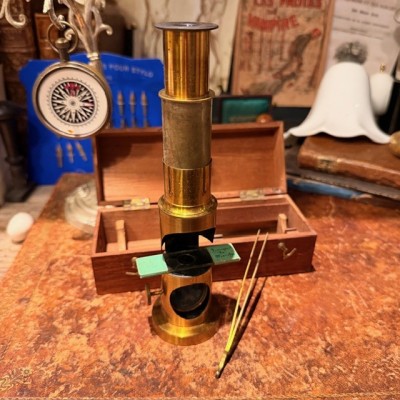
Antique drum microscope
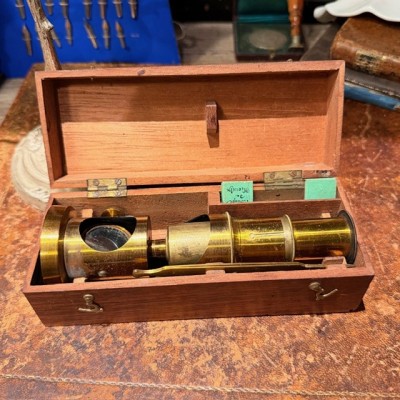
With its mahogany wooden box and clamp - 19th century
For botanist, entomologist
Antique drum microscope for botanists, entomologists, etc.
This microscope was manufactured from the late 19th century through the 1920s. They were sold in their wooden cases.
With its mahogany wooden box and bras clamp - 19th century
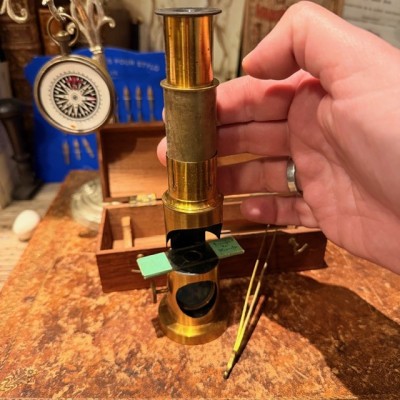
Height when folded: 14.5 cm
Height when unfolded: Approximately 17/18cm
Focusing is achieved by sliding the optical tube.
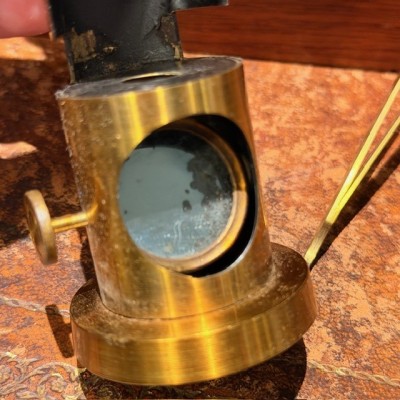
The mirror is pricked
Late 19th century, early 20th century.
Case dimensions: 16x6x5.5cm
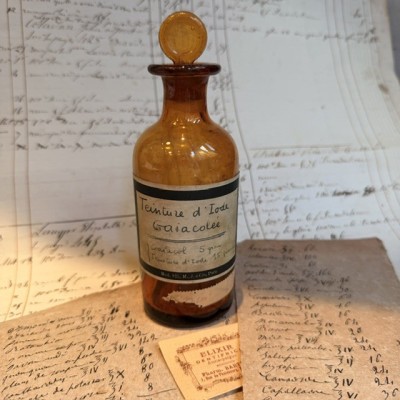
Gaiacolated Tincture of Iodine
Antique pharmacy bottle
EMPTY
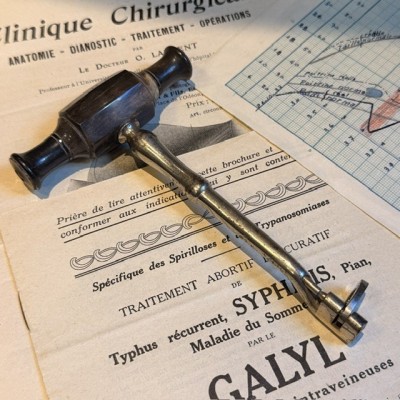
Garengeot Dental Key
Used from the 19th century through the 1930s
Date: Date: 19th century (c. 1840–1880) - Made of wrought iron and ebony
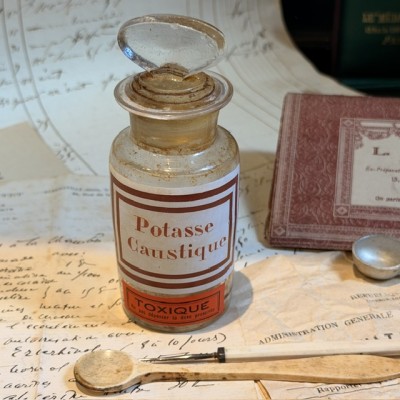
Caustic Potash
Antique pharmacy bottle made of blown glass and enameled painted label.
Red TOXIC label
Signaling to the pharmacist that it is imperative to keep apart the other substances in the cabinet of toxic substances, the famous poison cabinet.
Dating: 19th century
EMPTY
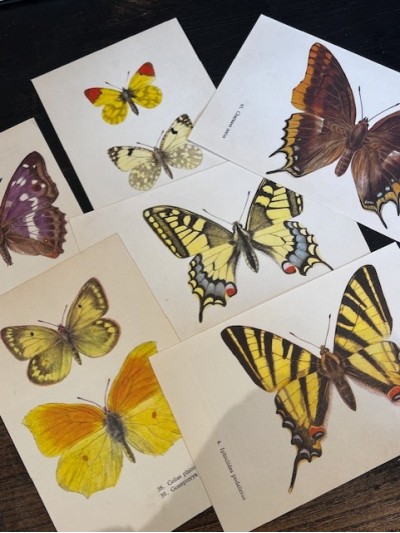
Butterfly - Natural History color plate
Entomology
You buy 1 plate, not the whole set
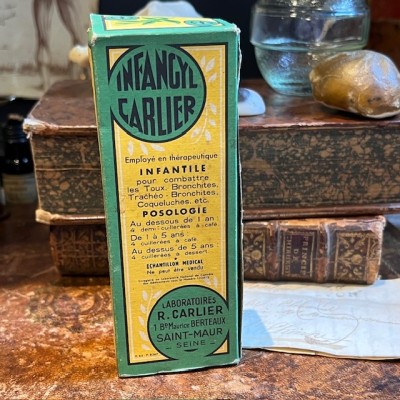
Infangyl Carlier
Antique pharmacy bottle - Apothecary
The box still contains its full, sealed bottle and instructions
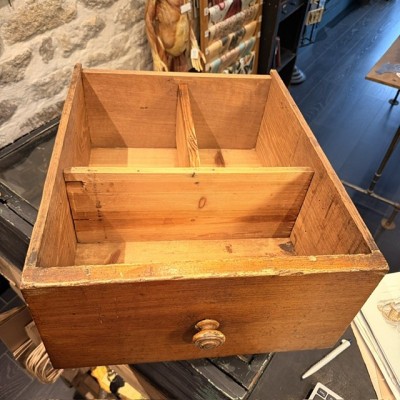
Large antique wooden pharmacy drawer with compartments - From a pharmacy or herbalist's cabinet
3 compartments
Ref C - 39.5x50cm
Can be used as a storage box
Weight: 4.1kg !
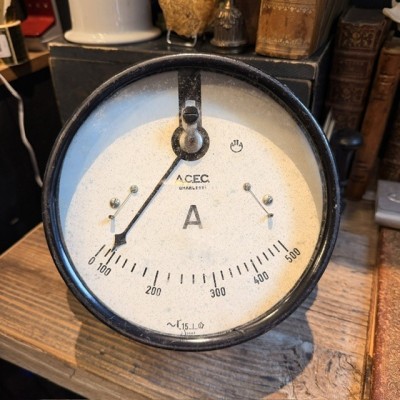
Large ACEC Industrial Ammeter (0–500 A)
Industrial Dial for Vintage Industrial Electrical Panel, circa 1920/1950
Function: Ferromagnetic ammeter with a circular dial that measures high-current alternating current (up to 500 A). It was used to monitor the load drawn by very large power lines or electrical machinery.

Antipyrina Knorr
Named after its German discoverer: Ludwig Knorr
Pharmacy jar - Herbalism - Apothecary bottle
Late 19th century
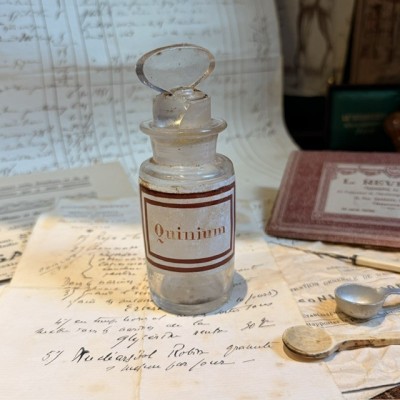
Quinium
Antique pharmacy blown-glass bottle - XIXth century
EMPTY - Blocked cap
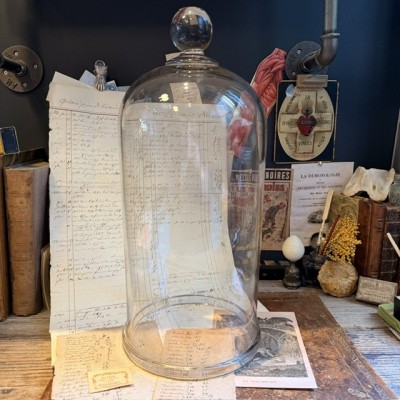
Protective laboratory bell jar - High form with knob in blown glass
Period: 1900 - Pharmacy - Apothecary
Used by the pharmacist to cover precision instruments or isolate preparations undergoing analysis

Sparteine sulphate
Used as a tonic for nervous syndromes at the very beginning of the 20th century, sparteine was also used to facilitate morphine withdrawal.
Antique pharmacy bottle
Apothecary vial
Some product left inside
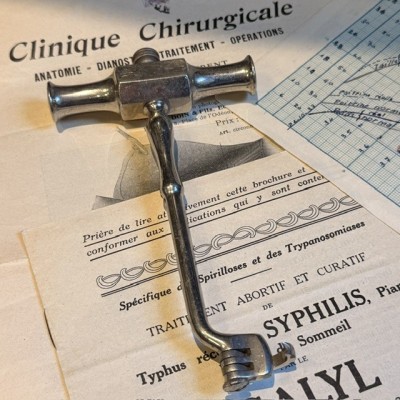
Garengeot Dental Key - Maison Favre
Used from the 19th century through the 1930s - Chrome-plated dental key
Date: Late 19th century – early 20th century (c. 1885–1905)
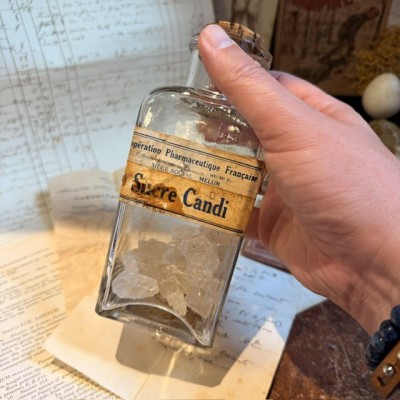
Rock Candy
Antique Apothecary Bottle of Rock Candy – Coopération Pharmaceutique Française (circa 1930–1940)
It comes from the former cellar-laboratory of a Parisian pharmacy. The bottles had remained untouched on the shelves since the late 1950s. The cellar served as a medical analysis laboratory and as a laboratory for the pharmacy's compounded preparations from 1900 until around 1950.
It still contains large crystals of rock candy (Saccharum candi), perfectly preserved.
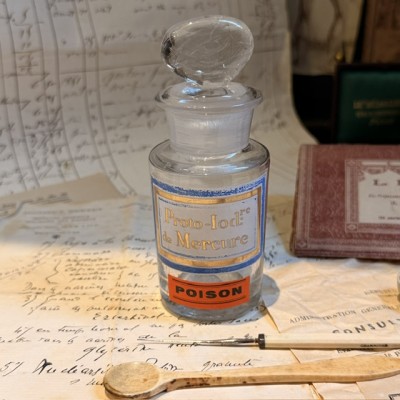
Mercurous iodide
Antique pharmacy bottle made of blown glass and enameled painted label with golden blue threads
Red POISON label
Signaling to the pharmacist that it is imperative to keep apart the other substances in the cabinet of toxic substances, the famous poison cabinet.
Dating: 19th century
EMPTY
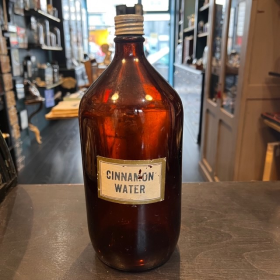
Cinnamon Water
Antique and large brown English pharmacy bottle
Antique drum microscope
With its mahogany wooden box and clamp - 19th century
For botanist, entomologist