- New
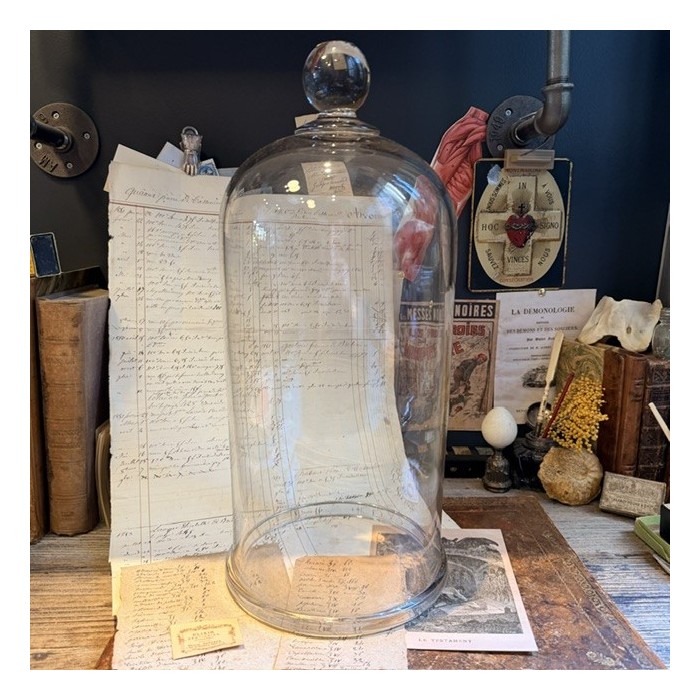
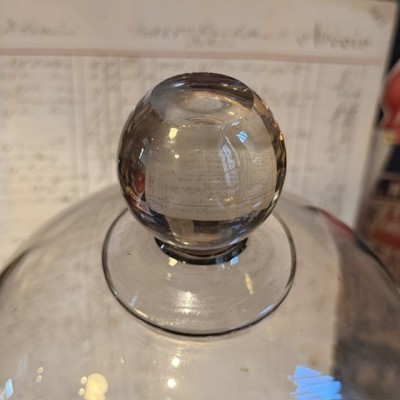
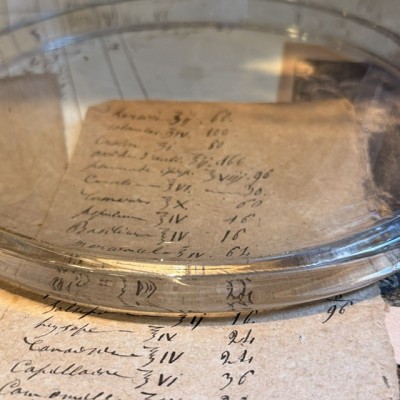
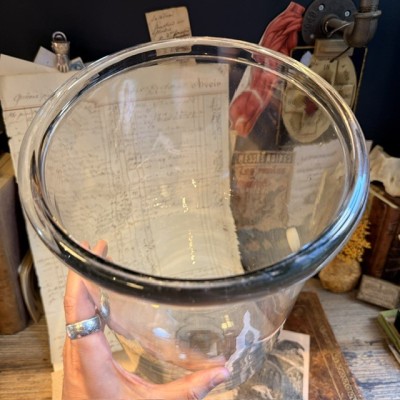
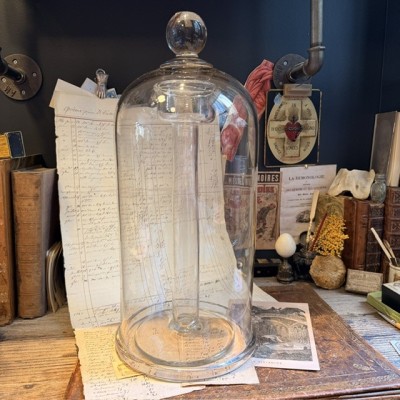
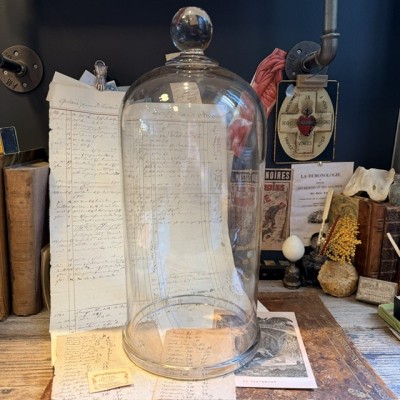
Protective laboratory bell jar - High form with knob in blown glass
Period: 1900 - Pharmacy - Apothecary
Used by the pharmacist to cover precision instruments or isolate preparations undergoing analysis
Protective laboratory bell jar - High form with knob in blown glass
Period: 1900 - Pharmacy - Apothecary
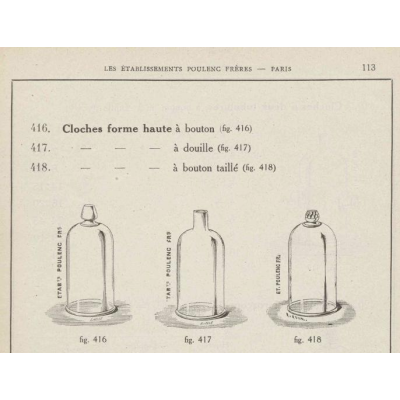
Large scientific protective bell jar in heavy blown glass, listed as "Cloche forme haute à bouton" in the general catalogue of the Maison Poulenc Frères in Paris from 1919.
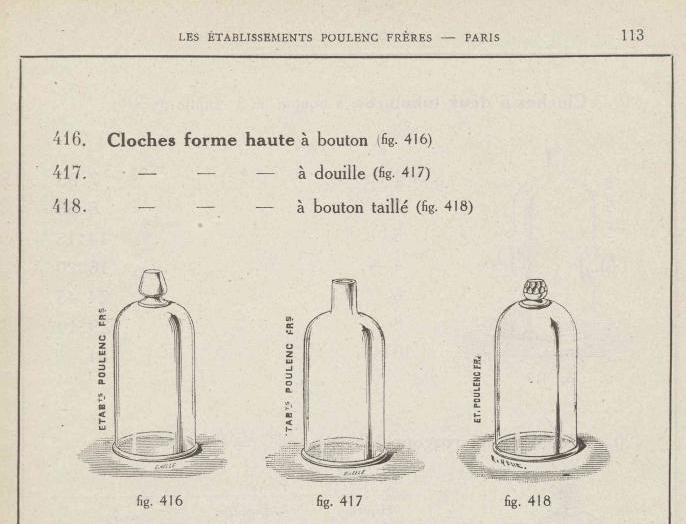
It is characterized by a button-shaped top knob offering an excellent grip and ends at its base with a thick reinforcing rim to withstand impacts on wood, marble, or tiled laboratory countertops.
It was used by the pharmacist to cover precision instruments or isolate preparations undergoing analysis. To hermetically seal the device in order to protect it against drafts, stop contamination from laboratory dust, and block the evaporation of volatile solutions or alcohol.
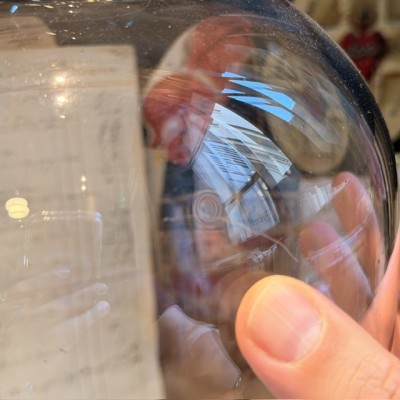
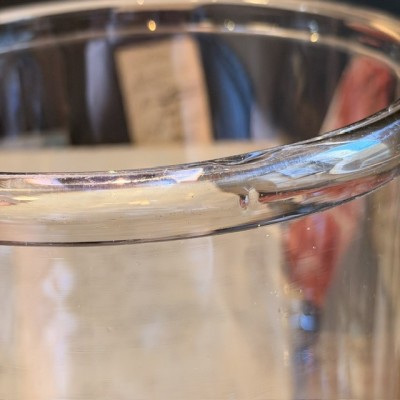
Warning the bell jar is antique, there are scratches sometimes significant in certain places, bubbles in the glass, ...
Comes from a former basement-laboratory of a Parisian pharmacy. The bottles and other utensils had not moved from the shelves since the late 1950s. The basement had served as a medical analysis laboratory and a laboratory for the pharmacy's magisterial preparations from 1900 until around 1950.
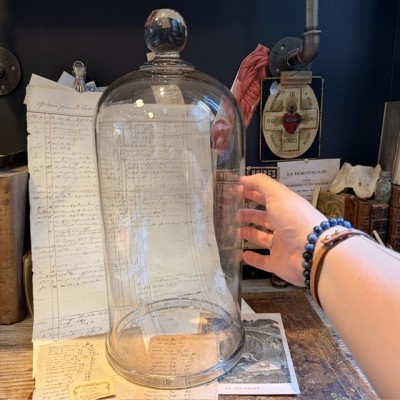
Total height: 43 cm - Ground diameter: 19.5 cm
It weighs 2.65Kg !
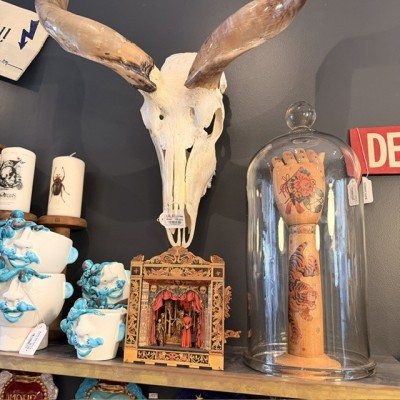
To be repurposed to protect and showcase one of your objects.

Bibliothèque Choisie de Médecine - Volume 6
Selected Library of Medicine
By François PLANQUE - 1749
Complete original edition with 5 fold-out plates
Collector’s bronze dental articulator
Circa 1920 for the bronze frame
The plaster and resin forming the gums and teeth are modern.
Cumin Epicea Pill - Pil: Cum Picea
Antique blown glass pharmacy jar
Apothecary
Alcool dénaturé - Alcool à brûler
Denatured alcohol - Methylated spirits
Antique pharmacy bottle - Apothecary
Empty
Incense
Antique pharmacy bottle - Wide-mouth apothecary jar.
19th-century mouth-blown glass
There are still some product inside.
A fascinating artifact from the history of pharmacology
Ipecacuanha Opiate Powder - Dover's Powder
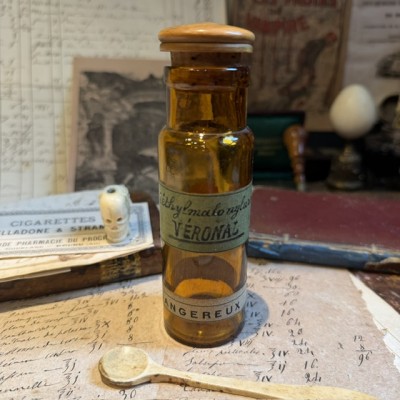
Antique amber glass bottle, with a boxwood and cork stopper.
Green label: SUBSTANCE TO BE STORED SEPARATELY – CODEX 1908
Indicating to the pharmacist that it must be stored separately from other substances in the cabinet for toxic substances, the famous ‘poison cabinet’.
It comes from the former cellar-laboratory of a Parisian pharmacy. The bottles had not been moved from the shelves since the late 1950s. The cellar had served as a medical analysis laboratory and a laboratory for the pharmacy’s compounded preparations from 1900 until around 1950.
EMPTY
Collodion élastique - Elastic collodion
Antique pharmacy bottle
This product was used in the 19th century as a liquid plaster: a solution of ether and powdered cotton which, once applied to the skin, left a flexible, waterproof protective film.
EMPTY
Antique wooden advertising case for Nestlé concentrated infant milk
Found in Parisian cellars that served as laboratories and storage rooms for pharmacists preparing their masterful concoctions from 1900 to 1950.
It was used to store products, glass bottles, etc.
Period: Circa 1910–1930
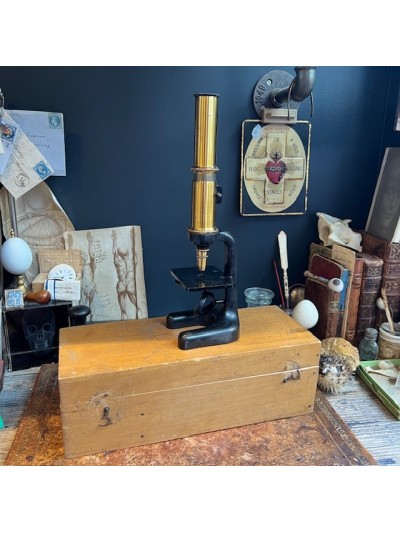
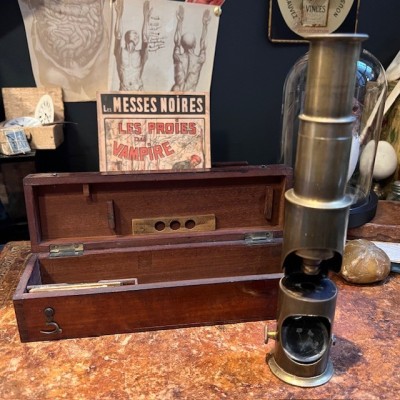
Antique and large drum microscope
In it's mahogany wooden box
For botanist, entomologist
This is a larger model than those usually found on the market
Oak desk card index cabinet - Antique pharmacy cabinet
Handcrafted
Period: 1910–1930
Cremor tartari sol - Cream of tartar
Potassium bitartrate
Pharmacy jar - Herbalism - Apothecary bottle
Late 19th century
Antique pharmacy jar: Lignum Quillayae Saponaria - Panama wood - 19th century
Antique surgical board
From Benjamin Bell's Complete Course in Surgery, published in 1796
Polished bone cannula - New vintage stock - In its reusable box
Vintage medical device designed to remove pinworms
Marketed between May 1939 and sometime in 1940
Potassium Bromide Elixir
Antique and large brown English pharmacy bottle
Protective laboratory bell jar - High form with knob in blown glass
Period: 1900 - Pharmacy - Apothecary
Used by the pharmacist to cover precision instruments or isolate preparations undergoing analysis