
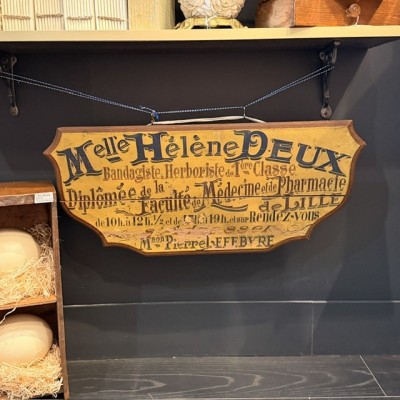
Rare and authentic wall sign panel
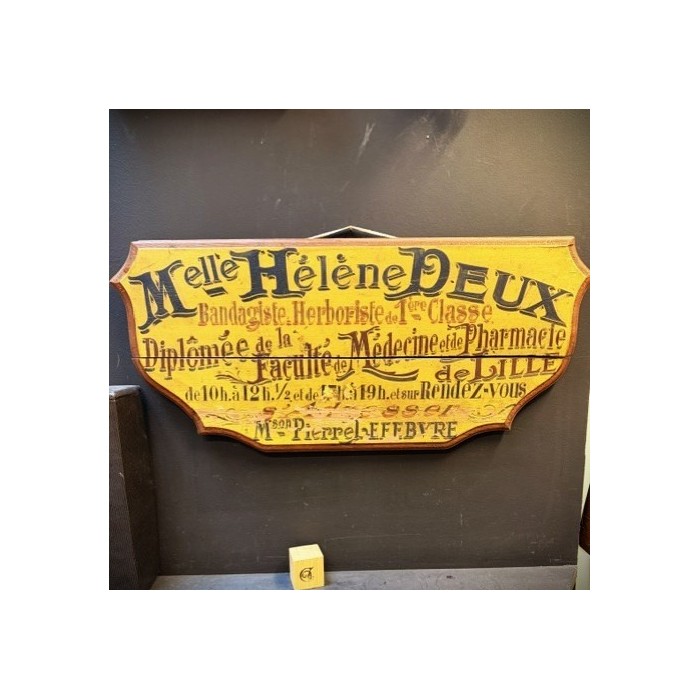
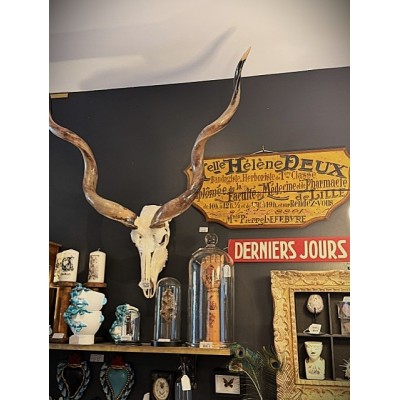
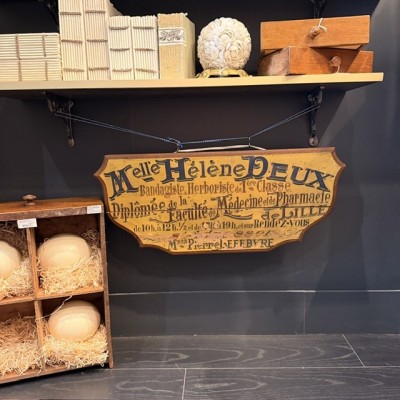
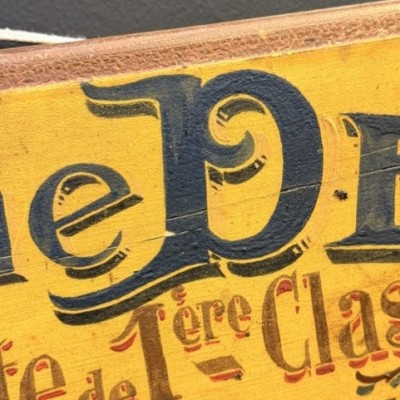
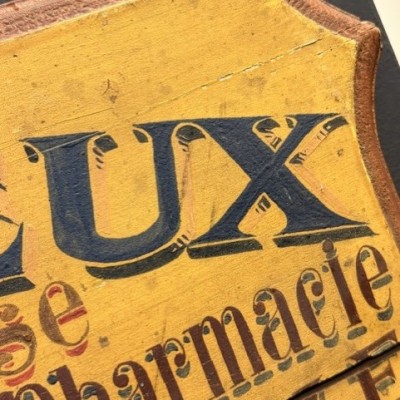
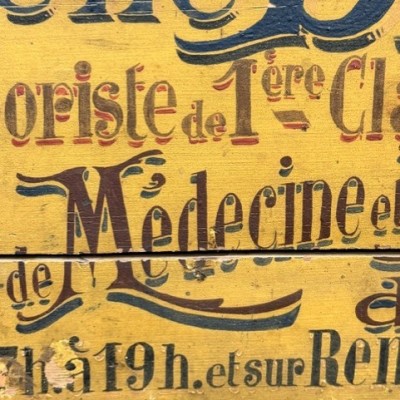
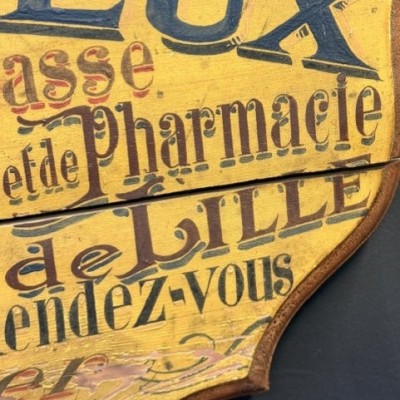
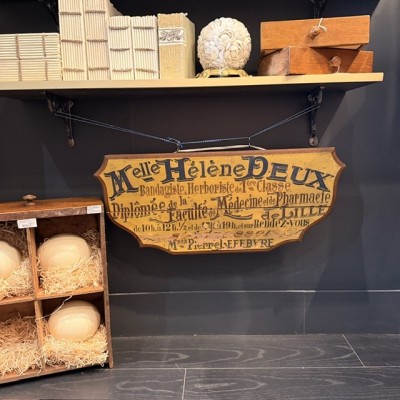
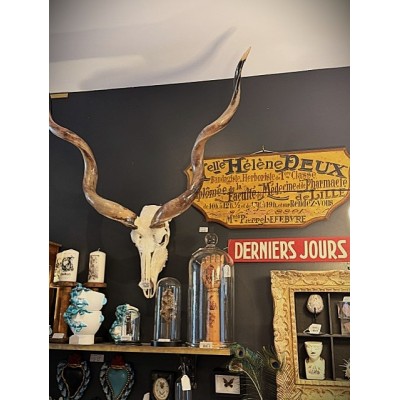
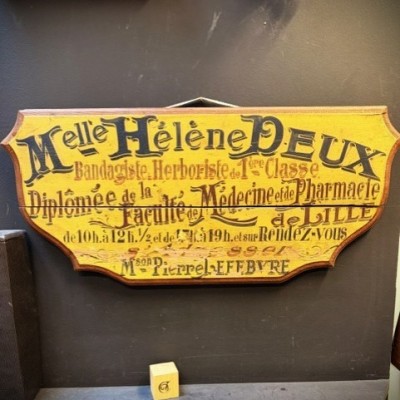
Pharmacy and fitting brand - Miss Hélène Deux, Bandagiste & 1st class Herbalist
Officine sign panel in painted wood from the 19th-20th century hinge: 1890-1920.
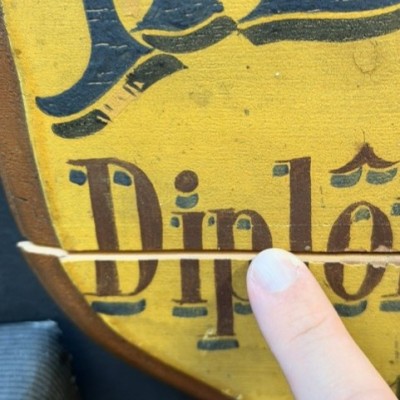
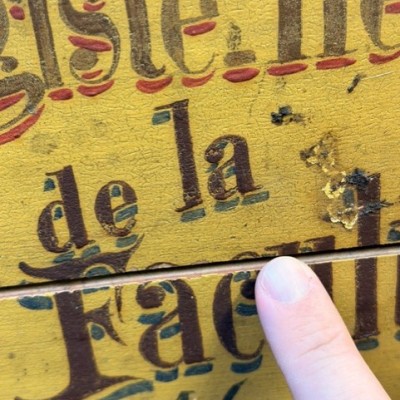
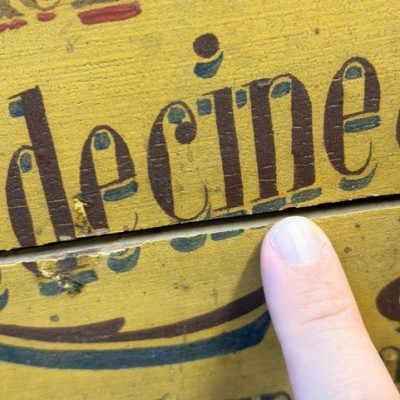
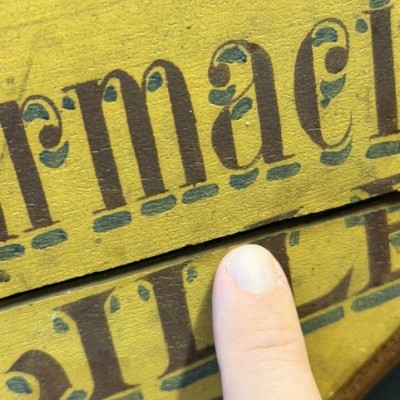
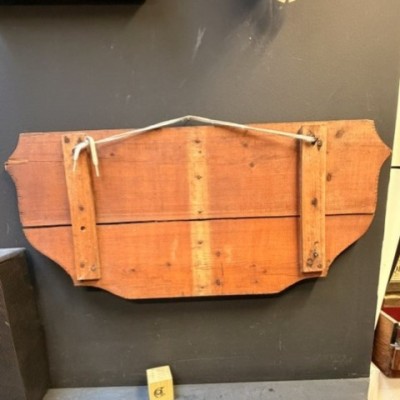
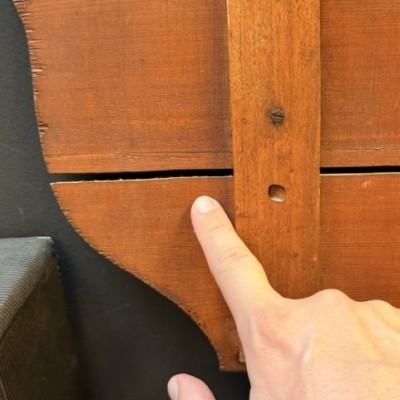
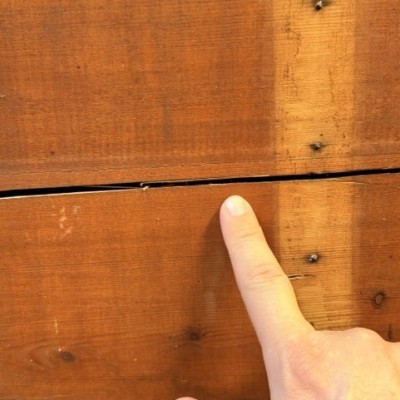
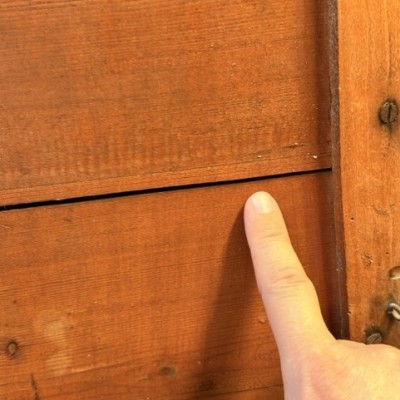
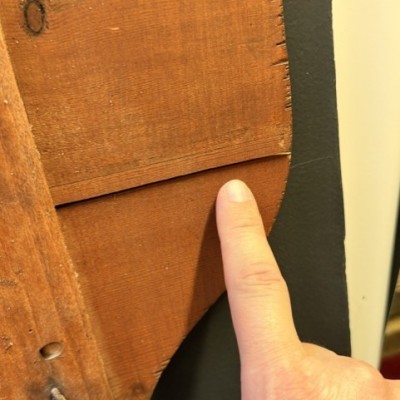
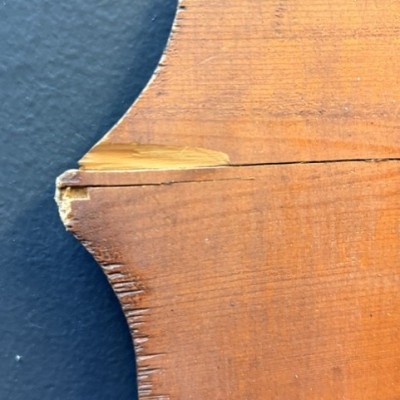
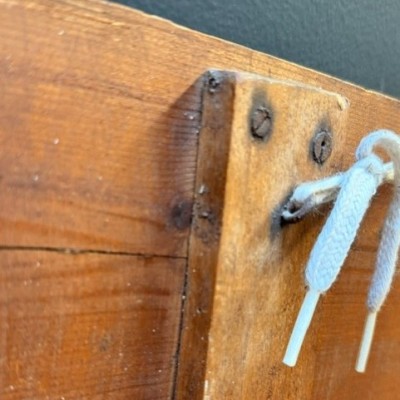
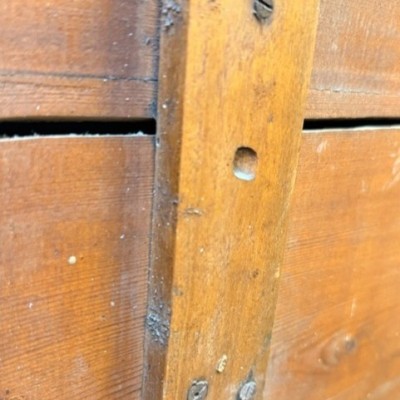
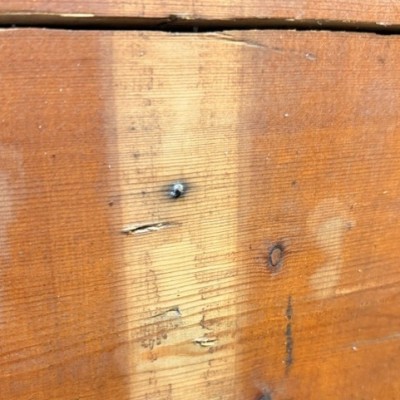
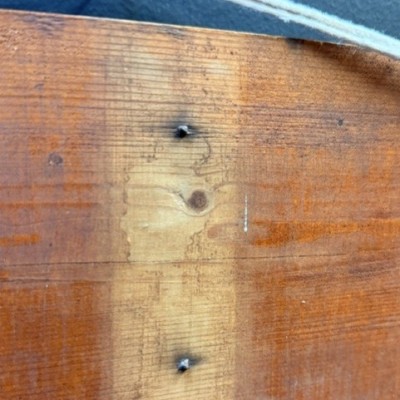
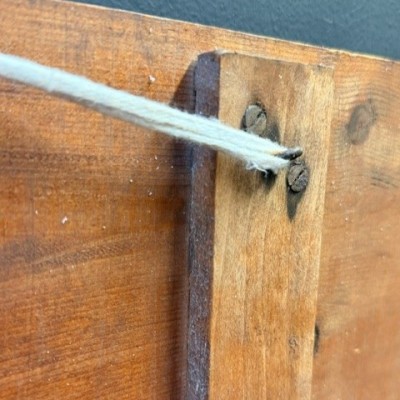
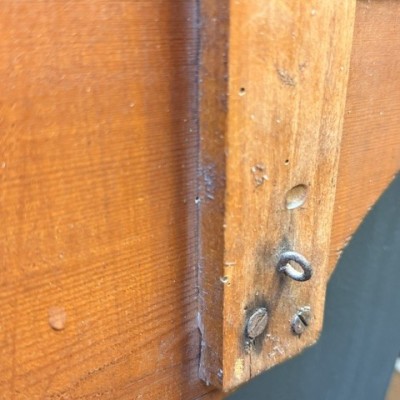
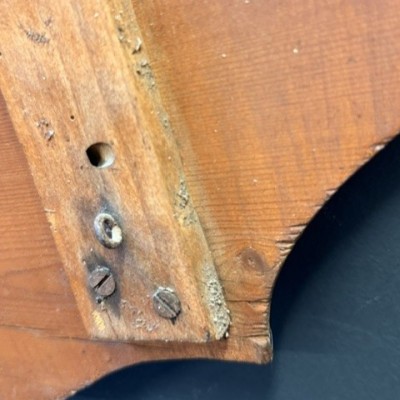
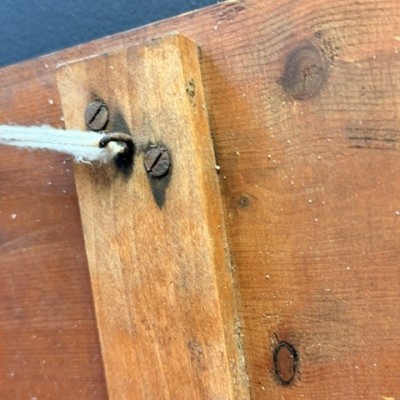
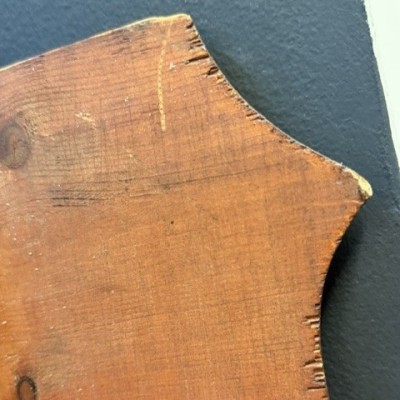
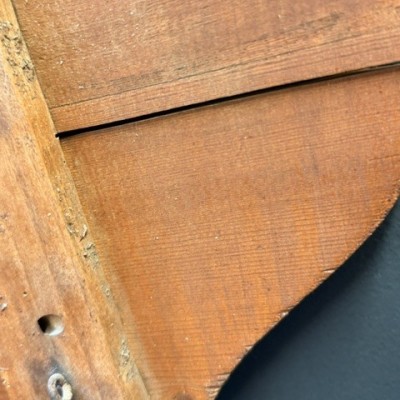
The sign is made of 2 reinforced wood panels at the back. There is a space between the 2 panels.
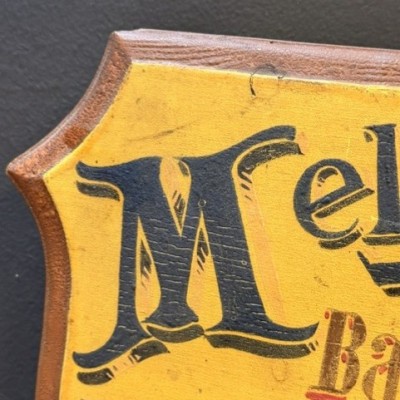
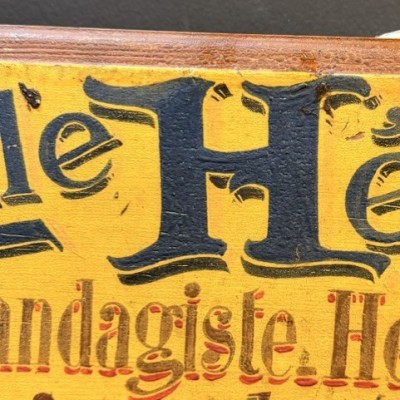
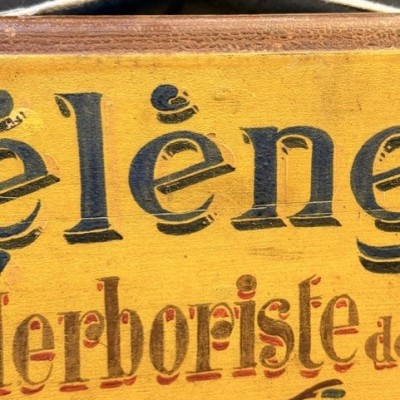
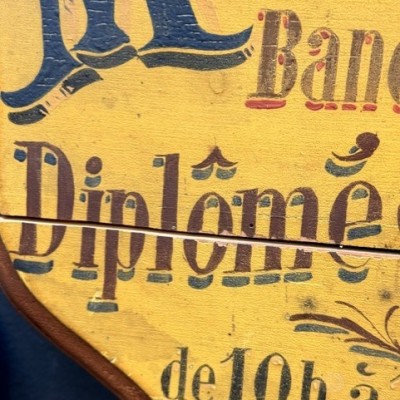
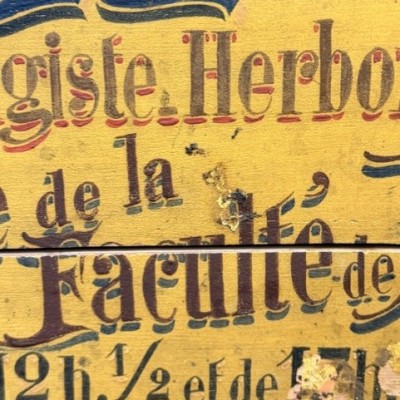
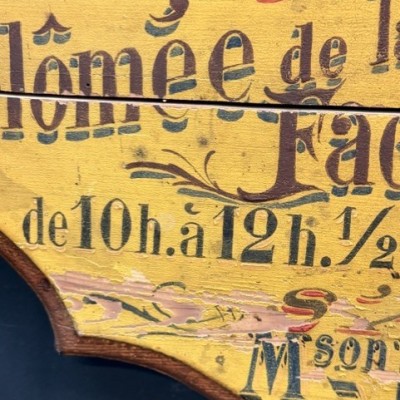
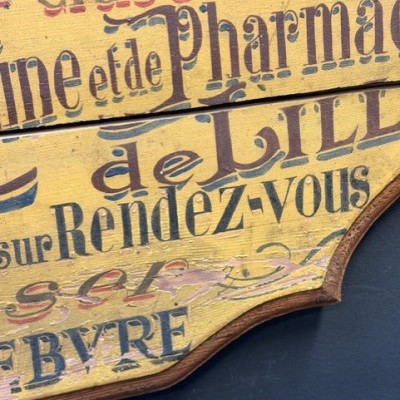
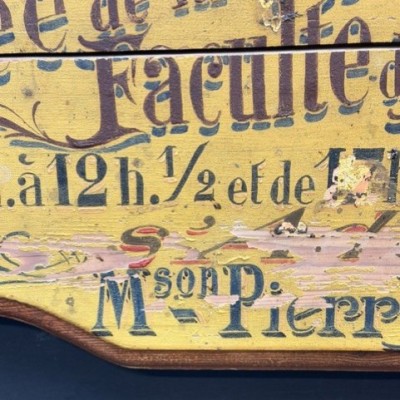
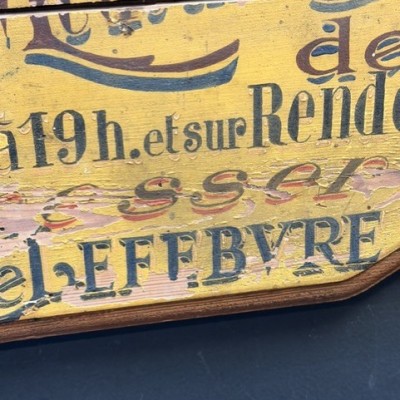
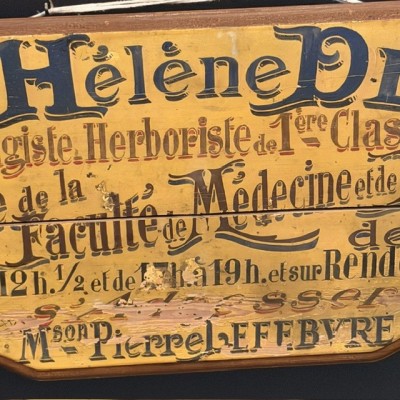
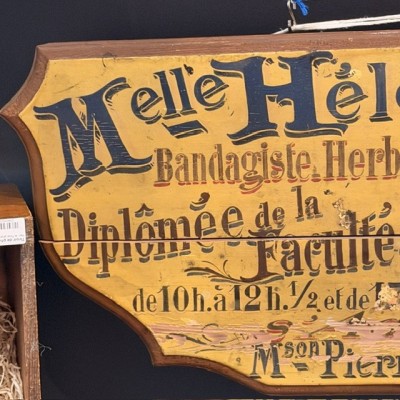
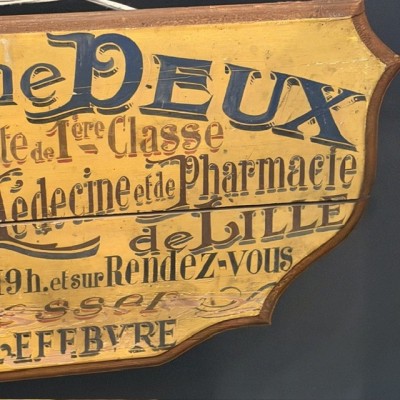
The sign features a superb art lettering entirely made freehand by a letter painter (superb contrasts of blue and brown, neat full and loose)
Witness to the history of pharmacy and ancient orthopaedics: the bandagist shaping leather and frames for corsets and restraints, and the herbalist 1st class, a profession that has disappeared since the abolition of the diploma in 1941.
Rare and authentic wall sign panel
Pharmacy and fitting brand - Miss Hélène Deux, Bandagiste & 1st class Herbalist
The sign is made of 2 reinforced wood panels at the back. There is a space between the 2 panels.
Rare piece of medical history and pharmacy, this period sign panel made of wood painted with a yellow background and blue, red, and brown typography bears all the original hand-drawn inscriptions. It bears witness to a fascinating and vanished aspect of the art of healing: herbalism.
Melle Hélène DEUX
Bandagiste - Herboriste de 1ère classe Diplômée de la Faculté de Médecine et de Pharmacie de Lille
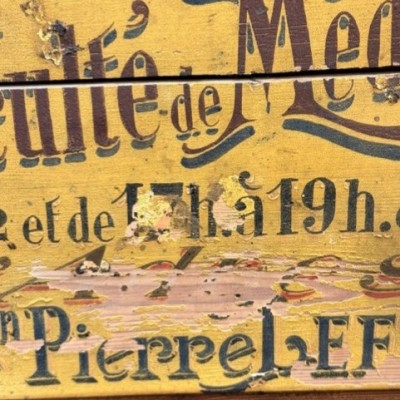
De 10h. à 12h.½ et de 17h. à 19h. et sur Rendez-vous
S’adresser Maison Pierre LEFEBVRE
(Bandagiste: orthopedic technician)
Dated to the pivotal period between the 19th and 20th centuries, approximately between 1890 and 1920, this piece highlights the superposition of two artisanal and paramedical expertises of the time:
Herbalist 1st class:
Unlike the second-class certificate, which was issued after a simple examination before a departmental jury and strictly limited the exercise to the department of origin, the first-class diploma was obtained directly after a course validated in a faculty (as here in Lille), conferring on its holder the right to practice throughout French territory and ensuring a thorough scientific mastery of botany and medicinal plants.
This profession was then experiencing its hours of tension in the face of relentless lobbying by pharmacists, who eventually obtained the abolition of the profession under the Vichy regime in 1941. There were no more diplomas awarded in herbalism after this date.
The law of 1941 officially abolished the degree of herbalist, while granting the last holders already graduated the right to practice until the end of their lives.
The definitive extinction of this profession ended with the disappearance of the very last historical holder of the diploma, Marie Roubieu, who died in 2018 at the age of 97.
The bandagiste: (orthopedic technician)
This is the ancestor of the orthopedist and the modern prosthetist; the bandagist was a technician of the body and raw materials. His art was based on the work of leather, whalebone and metal frames to shape by hand orthopedic corsets, support belts and custom-made restraining devices, requiring an intimate knowledge of human anatomy.
The know-how of the painter in letters:
The execution of this sign is entirely based on the art of freehand painting, carried out by a lettering craftsman: the letter painter.
Unlike a typography made up of movable characters in lead or wood, each line, serif and scroll was directly hand-painted on the wooden panel.
Far from the coldness of an industrial print, the composition seduces by its magnificent manual typography, its neat full and loose lines, its elegant serifs and its superb decorative scrolls, typical of that time.
Pierre Lefèbvre House:
The inscription "S’adresser Maison Pierre Lefèbvre" as well as the presence of specific office hours clearly indicate the periods during which Miss Hélène Deux held her consultations or her counter within this establishment, whether it was a bandagistery house, orthopedics or a partner pharmacy. She did not have a shop in person.
Very beautiful sign
Size: 73x33cm
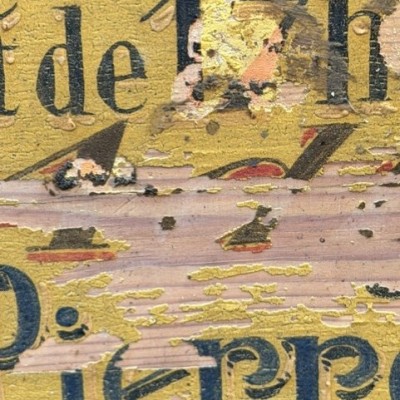
The inscriptions are a bit erased on S’adresser Maison Pierre LEFEBVRE
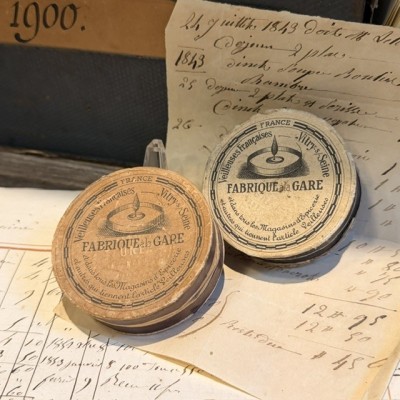
Box of Night Lights Fabriqué à la Gare / Jeunet - 1890–1920
Wick night light
A round box for oil night lights made of molded cardboard, produced by the Veilleuses Françaises factory at the Vitry-sur-Seine train station.
It contains the system patented by Jeunet—winner of a silver medal at the 1891 Exposition du Travail.
All boxes are unique, showing varying degrees of wear from the passage of time, with varying amounts of oil remaining, and varying degrees of yellowing.
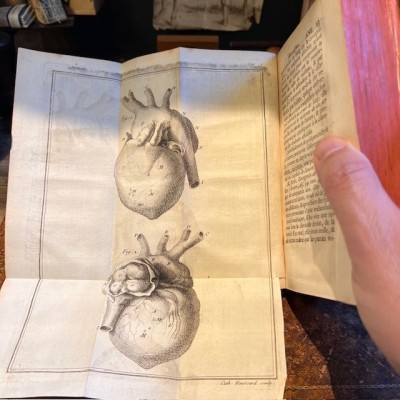
Bibliothèque Choisie de Médecine - Volume 6
Selected Library of Medicine
By François PLANQUE - 1749
Complete original edition with 5 fold-out plates
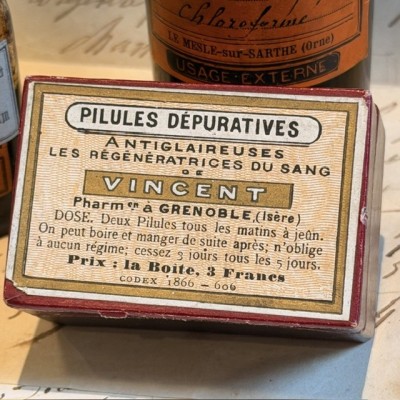
Vincent’s Anti-Mucus Purifying Pills
Antique pharmacy box for medicine, made of cardboard
Period: Late 19th century (circa 1885–1895)
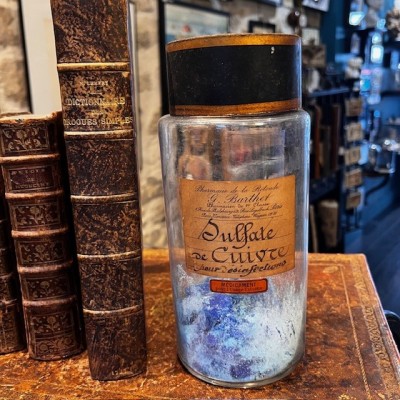
Copper Sulfate
Antique pharmacy bottle - Wide-mouth apothecary jar.
19th-century mouth-blown glass
There are still some beautiful blue crystals inside.
A fascinating artifact from the history of pharmacology
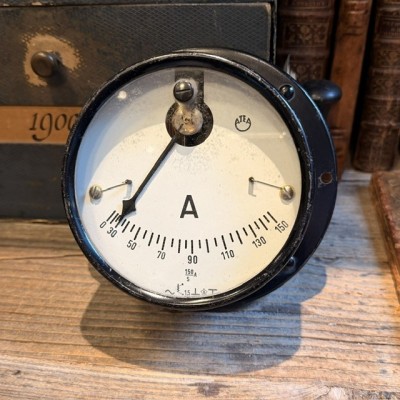
ATEA Panel-Mount Ammeter
Vintage industrial electrical panel dial, circa 1920–1950
Function: Panel-mount ammeter measuring AC currents up to 150 amps.
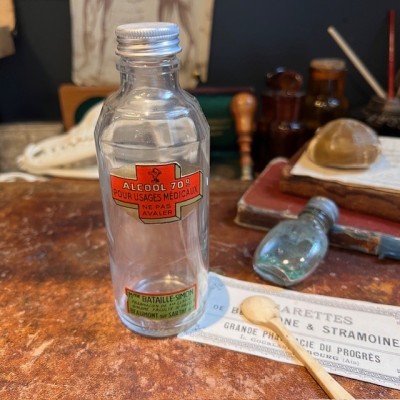
70° alcohol
Antique pharmacy bottle - Apothecary
Mrs Bataille-Simon, First Class Pharmacist in Beaumont sur Sarthe - Tel 9
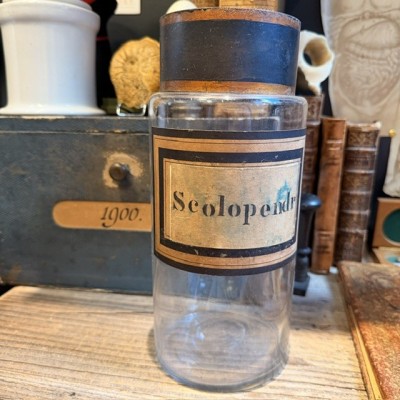
Scolopendre
Pharmacy jar - Herbalism - Apothecary Mouth-blown glass bottle
Late 19th century - Beginning of the 20th
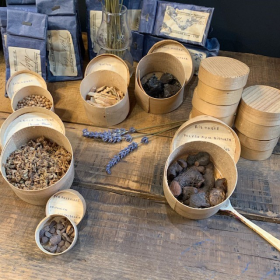
Antique wooden box for herbal medicine - Samples of plants, seeds, bark etc.
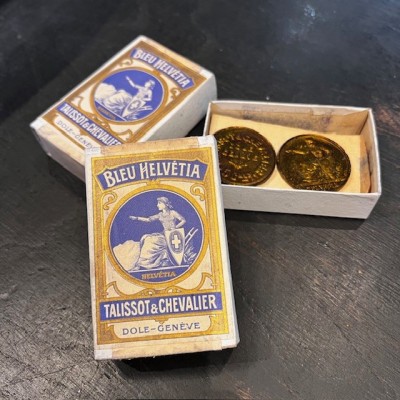
Antique Laundry blue box - Helvetia Blue from Talissot & Chevalier in Dôle and Geneva
Period: 1890-1905
Box containing 6 gold-plated “coins” made of blue wash, resembling the iconography of Swiss coins and medals from the late 19th and early 20th centuries.
Beautiful blue and gold illustration on the box.
Your box will be sealed: never opened in 120 years
UNOBTAINABLE
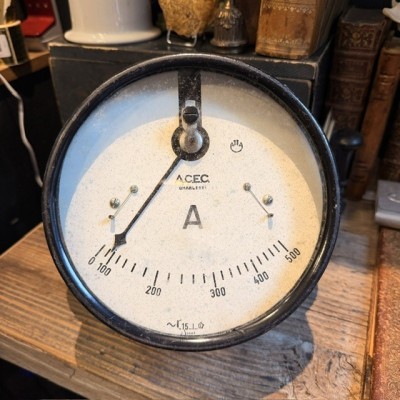
Large ACEC Industrial Ammeter (0–500 A)
Industrial Dial for Vintage Industrial Electrical Panel, circa 1920/1950
Function: Ferromagnetic ammeter with a circular dial that measures high-current alternating current (up to 500 A). It was used to monitor the load drawn by very large power lines or electrical machinery.
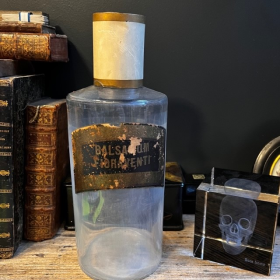
Antique pharmacy bottle from the 19th century
Balsamum Fioravanti - Balm of Fioravanti
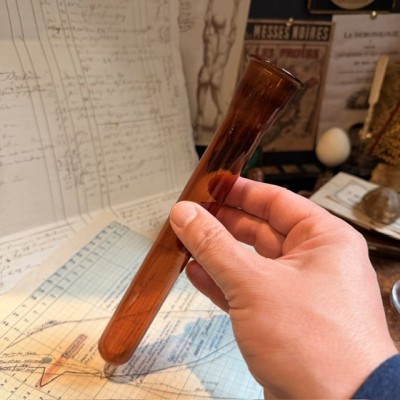
Large antique laboratory test tube made of actinic glass (brown glass) - Pharmacy
Its unusual dimensions make it a model with a beautiful presence
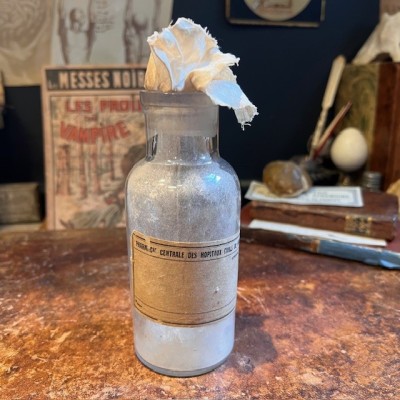
Central Pharmacy of the Civil Hospitals of Paris
Antique pharmacy bottle
Apothecary
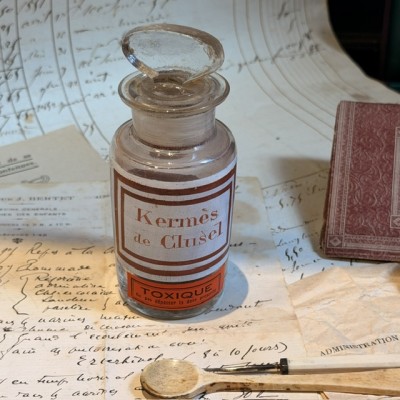
Kermes de Clusel - Antimony Sulfide
Antique pharmacy bottle made of blown glass and enameled painted label.
Red TOXIC label
Signaling to the pharmacist that it is imperative to keep apart the other substances in the cabinet of toxic substances, the famous poison cabinet.
Dating: 19th century
EMPTY
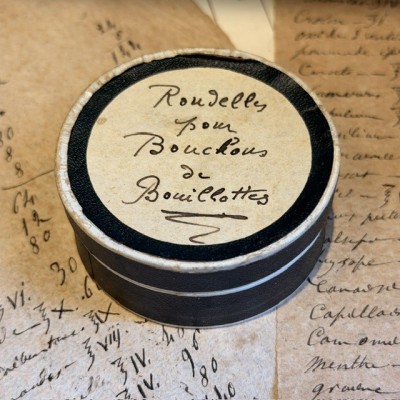
Box of rubber washers for hot water bottles
In its original cardboard box
1939/1940
New Old Stock
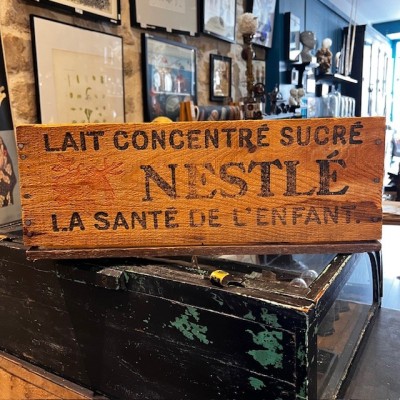
Antique wooden advertising case for Nestlé concentrated infant milk
Found in Parisian cellars that served as laboratories and storage rooms for pharmacists preparing their masterful concoctions from 1900 to 1950.
It was used to store products, glass bottles, etc.
Period: Circa 1910–1930
Rare and authentic wall sign panel
Pharmacy and fitting brand - Miss Hélène Deux, Bandagiste & 1st class Herbalist
Officine sign panel in painted wood from the 19th-20th century hinge: 1890-1920.
The sign is made of 2 reinforced wood panels at the back. There is a space between the 2 panels.
The sign features a superb art lettering entirely made freehand by a letter painter (superb contrasts of blue and brown, neat full and loose)
Witness to the history of pharmacy and ancient orthopaedics: the bandagist shaping leather and frames for corsets and restraints, and the herbalist 1st class, a profession that has disappeared since the abolition of the diploma in 1941.