
- New
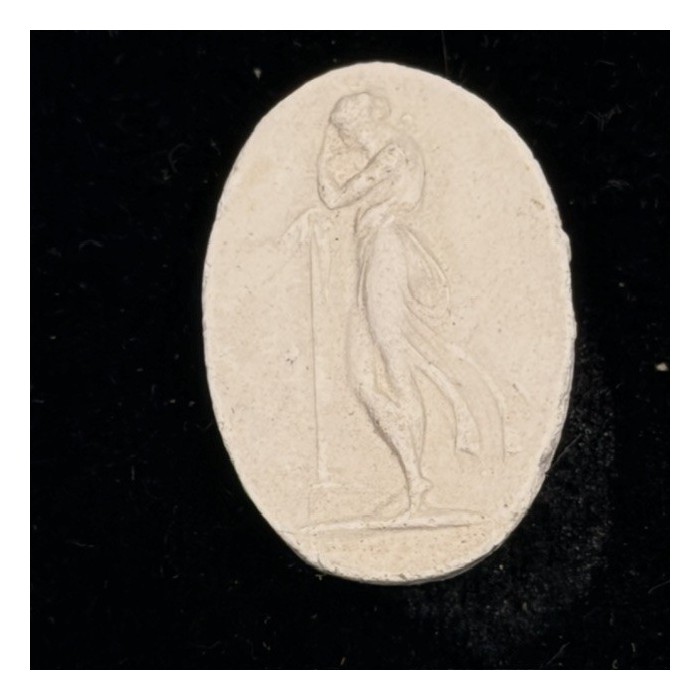
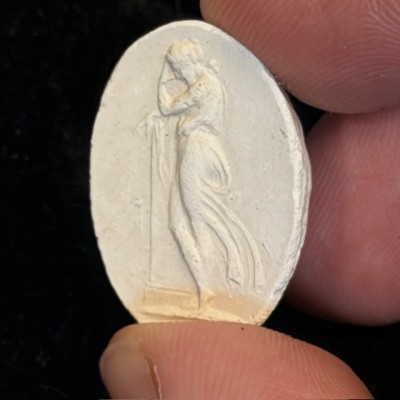
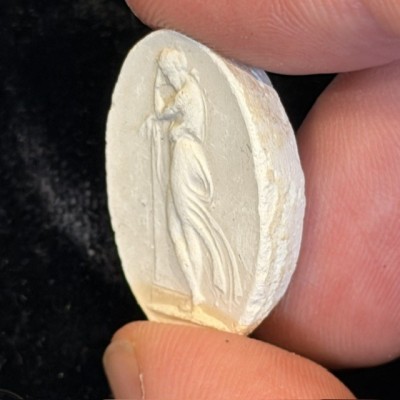
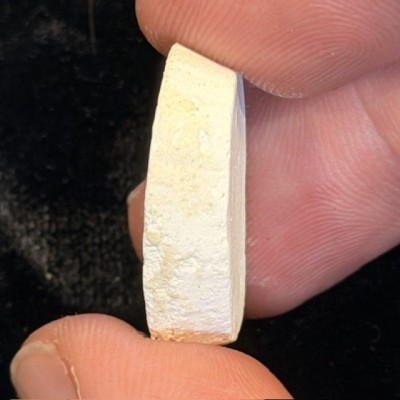
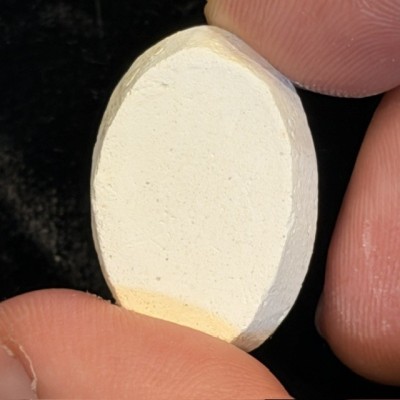
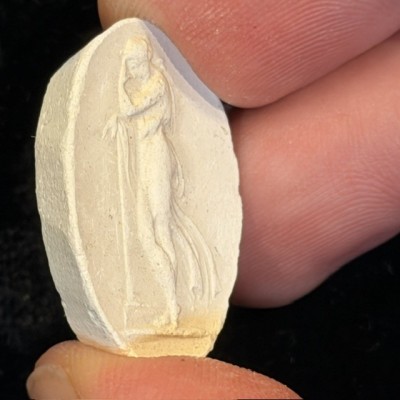
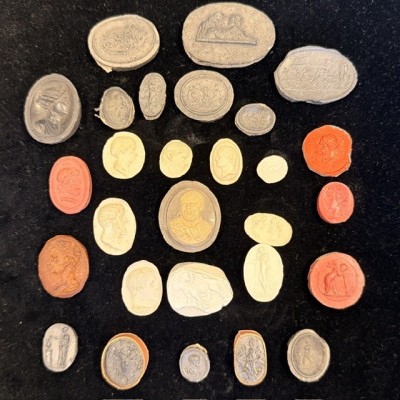
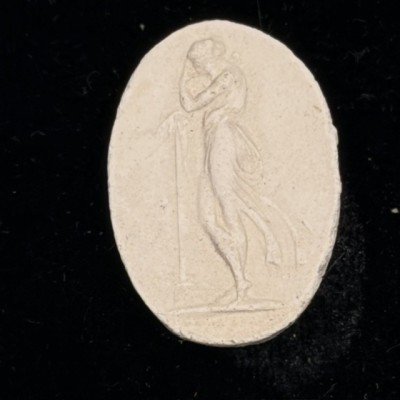
Antique intaglio and cameo print from the Grand Tour of the 19th century
White plaster
True testimony of the Grand Tour carried out by the aristocrats in the 19th century
Profiles in the antique style, mythological scenes or Greco-Roman deities
Antique intaglio and cameo print from the Grand Tour of the 19th century
White plaster
A true testimony of the Grand Tour, this journey of aristocratic education undertaken by the enlightened European youth from the 18th century and the beginnig of the 19th century (travel which also gave rise to the word "tourist").
During their stay in Italy, these wealthy travelers acquired, according to their means, pieces of art and antiques or reproductions such as here these prints, medals and cameos in the antique style being very popular.
These prints were part of dactyliothèques: collections of prints that reproduce the most beautiful engraved gems of antiquity.
White cast plaster was the classic, academic material par excellence. It offered a perfect and clear restitution of the details sculpted by the glypticians (stone engravers) of Antiquity.
Intaglio or Cameo:
The Intaglio is an engraved fine stone. When plaster is poured inside, the material fills the cavity: the resulting print therefore emerges in relief. This is the case of these prints, which allow you to admire the original design of the gem.
The Cameo: A gem sculpted in relief. An impression taken from a cameo will, on the contrary, give a debossed print.
The prints were often lined with a thin strip of two-tone paper enhanced by a golden border on the edge. This banding was intended to protect by holding the edge of the plaster to prevent chipping.
The prints presented here no longer have this banding.
Subject: Profiles in the antique style, mythological scenes or Greco-Roman deities.
Prices range from €15 to €35 (The Gryphon slaying a snake)
The fingerprints are all in very different sizes, from 1.5cm to 3cm
A:2.6cm B:3cm C:2.5cm D:2.6cm E:2.2cm F:1.5cm G:2.1cm H:1.9cm I:2.2cm
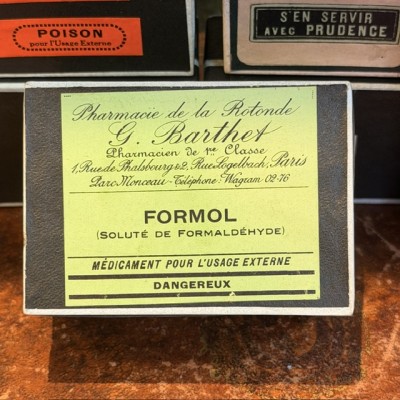
Antique labels in a pharmacy box for cures made of canvas cardboard
Formalin label
The pharmacist used his boxes of medicine to put away the labels he would then put on the bottles that he would resell to his customers.
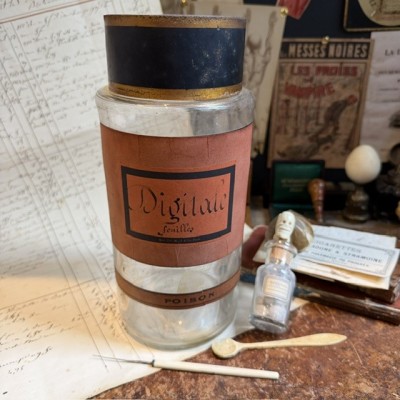
Foxglove leaves - POISON
Antique pharmacy bottle - 19th-century mouth-blown glass
Red POISON label
Signaling to the pharmacist that it is imperative to keep apart the other substances in the cabinet of toxic substances, the famous poison cabinet.
A fascinating testimony to pharmacology
It comes from an old cellar-laboratory in a Parisian pharmacy. The bottles had not moved since the late 1950s on the shelves. The cellar had served as a laboratory for medical analyses and a laboratory for magistral preparations of the pharmacy from 1900 until around 1950.

Archimedes screw magnifier - Photographer's Achromatic focusingmagnifier
Photographer's magnifying glass from the late 19th century, early 20th century
When taking a photograph, the photographer would use this focusing magnifier against the frosted glass of his camera to assess the sharpness of the image formed.
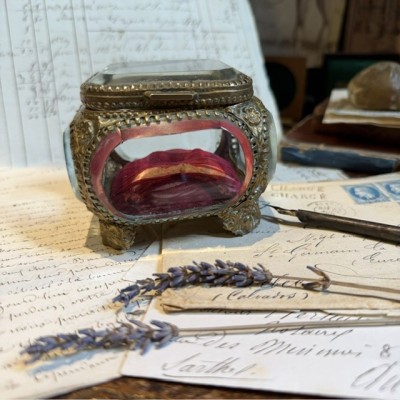
Reliquary box - 19th century
Jewelry box
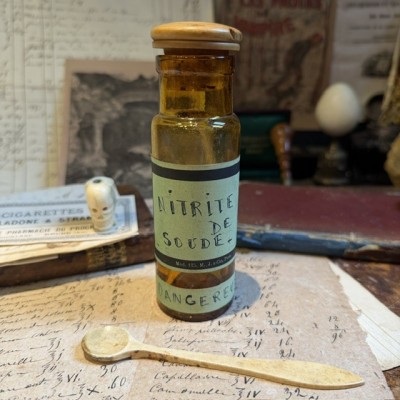
Sodium Nitrite
Antique amber glass bottle, with a boxwood and cork stopper.
Label: DANGEROUS
Indicating to the pharmacist that it must be stored separately from other substances in the cabinet for toxic substances, the famous ‘poison cabinet’.
It comes from the former cellar-laboratory of a Parisian pharmacy. The bottles had not been moved from the shelves since the late 1950s. The cellar had served as a medical analysis laboratory and a laboratory for the pharmacy’s compounded preparations from 1900 until around 1950.
EMPTY
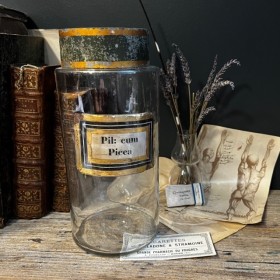
Cumin Epicea Pill - Pil: Cum Picea
Antique blown glass pharmacy jar
Apothecary
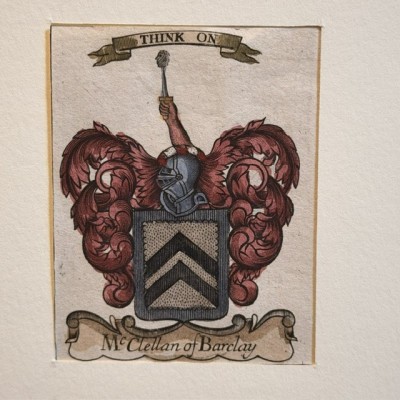
Original heraldic engraving on copper (1722) in colour - A System of Heraldry - By Alexander Nisbet
The vignette was cut from an original folio sheet and then hand-enhanced with a subtle watercolor painting.
The event is presented under a modern passe-partout
Family coat of arms: McClellan of Barclay
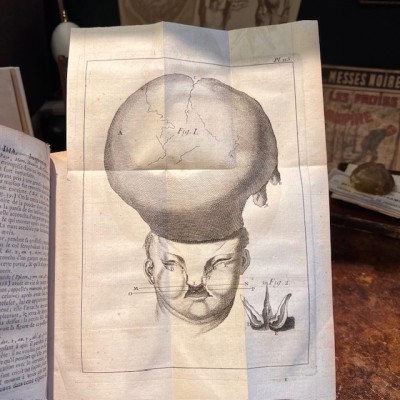
Bibliothèque Choisie de Médecine - Volume 16
Selected Library of Medicine
By François PLANQUE - 1761
Complete original edition with 10 fold-out plates
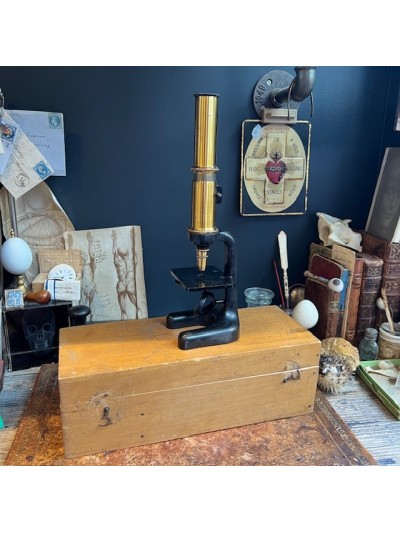
Antique brass and cast-iron rack-and-pinion microscope in wooden case
Late 19th century - Early 20th century
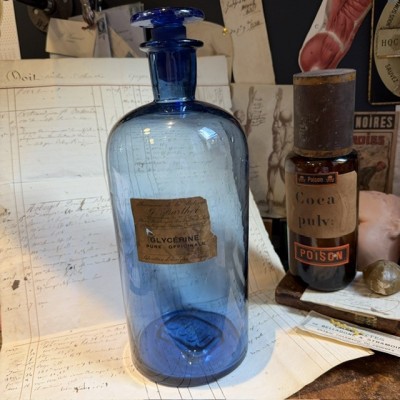
Glycérine pure officinale
Pure pharmaceutical-grade glycerine
Antique BLUE glass pharmacy bottle
EMPTY
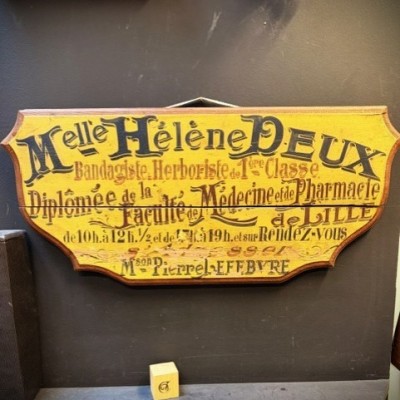
Rare and authentic wall sign panel
Pharmacy and fitting brand - Miss Hélène Deux, Bandagiste & 1st class Herbalist
Officine sign panel in painted wood from the 19th-20th century hinge: 1890-1920.
The sign is made of 2 reinforced wood panels at the back. There is a space between the 2 panels.
The sign features a superb art lettering entirely made freehand by a letter painter (superb contrasts of blue and brown, neat full and loose)
Witness to the history of pharmacy and ancient orthopaedics: the bandagist shaping leather and frames for corsets and restraints, and the herbalist 1st class, a profession that has disappeared since the abolition of the diploma in 1941.
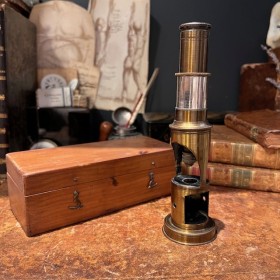
Antique drum microscope for botanist, entomologist
Mirror missing
Late 19th century, early 20th century

Essence of star anise
Antique pharmacy bottle
Apothecary vial
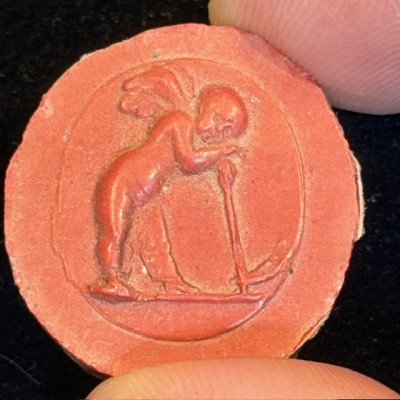
Antique intaglio and cameo print from the Grand Tour of the 19th century
In Red Sulfur
True testimony of the Grand Tour carried out by the aristocrats in the 19th century
Profiles in the antique style, mythological scenes or Greco-Roman deities
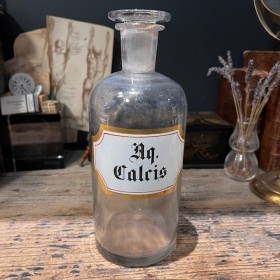
Aqua Calris - Hot water
Antique pharmacy jar
Apothecary
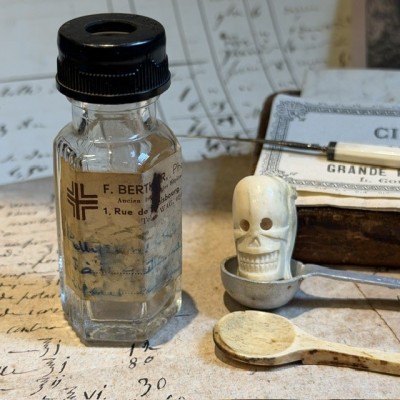
Dropper No. xx05
Antique pharmacy bottle
He's lost his rubber duck
EMPTY
Antique intaglio and cameo print from the Grand Tour of the 19th century
White plaster
True testimony of the Grand Tour carried out by the aristocrats in the 19th century
Profiles in the antique style, mythological scenes or Greco-Roman deities