

Dragon Stone
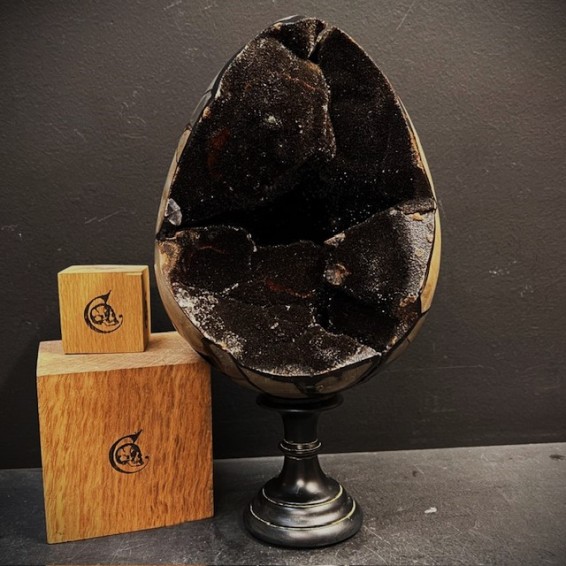
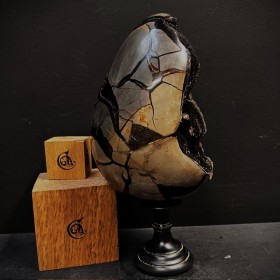
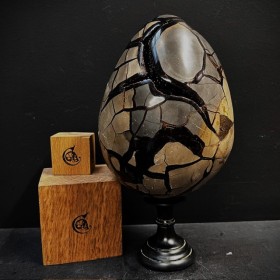
Septaria egg of Madagascar
Septaria Madagascar egg
Also known as Dragon Stone
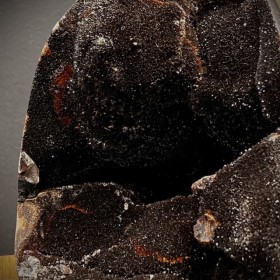
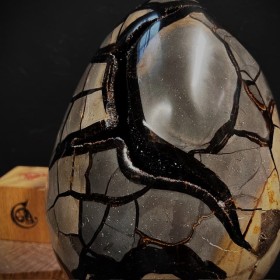
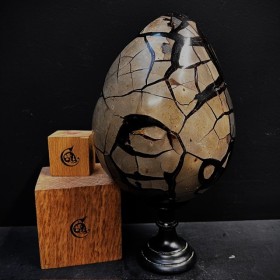
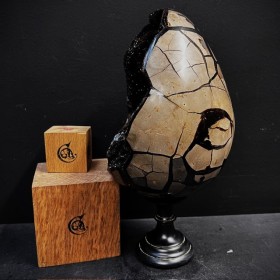
Septaria is a stone composed of a mixture of yellow calcite and sandstone, found mainly on the island of Madagascar, characterized by highly visible shrinkage cracks. These highly visible cracks, known as Septa, fill with minerals over time.
When the stone is polished, these cracks stand out, giving it a dragon's egg appearance on the outside.
With time, tectonic movements, etc., the nodules can be fractured and new mineral solutions can invade the shrinkage cracks, often calcite.
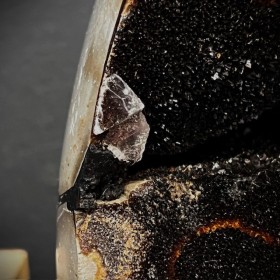
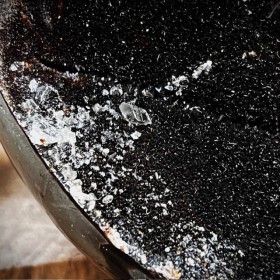
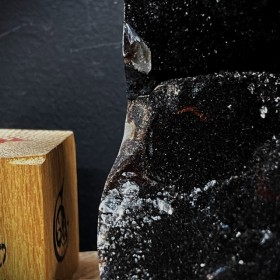
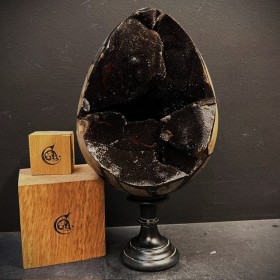
In our case, Septaria has been polished into an egg shape and the interior has been invaded by a very fine crystallization of calcite. Beautiful crystals.
It's also easy to see why it's called Dragon's Stone: the exterior is very similar to a dragon's egg!
Sold without base
Ref OSM55: Weight: 4.1kg - Height: 20cm
Sold without the base
You can find available bases by typing ball base or egg base in the site search.
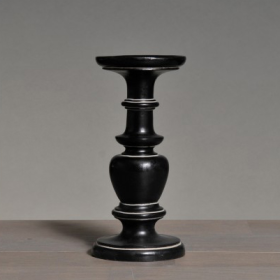
High base specially designed to hold a ball or egg
Perfect for ostrich eggs
Not suitable for emu, rhea or swan eggs, for example
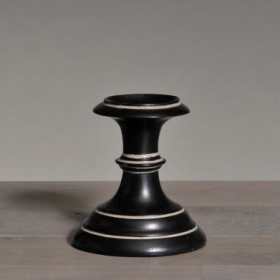
display for ball or egg (small)
Material: Resin material
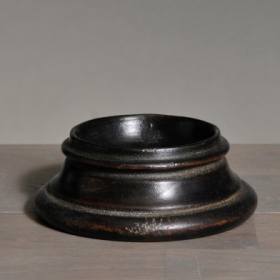
display for crystal ball or ostrich egg
Not suitable for emu or swan eggs.
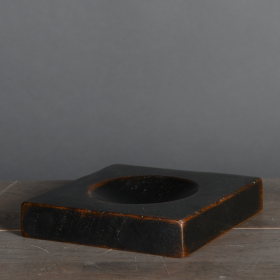
Wooden base for ball or sphere - Base - support
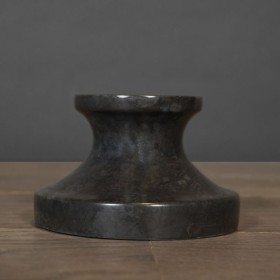
Grey-Black patinated marble base for ball or sphere
Base - support
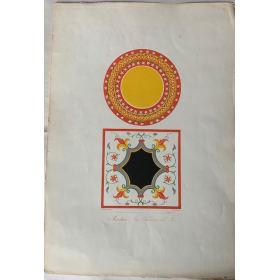
Wall decoration of Pompeii - Herculaneum mosaics: Chromolithographic plate
By Wilhelm Zahn
Published between 1832 and 1849
YOU ARE PURCHASING 1 SINGLE BOARD - NOT THE BOOK OR THE SET OF BOARDS
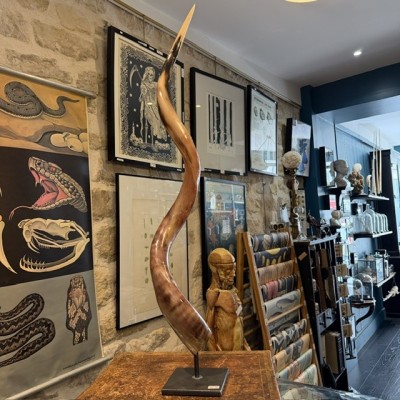
Kudu polished horn on pedestal - Antelope
Species: Greater kudu: South African Tragelaphus strepsiceros antelope
See the photos for minor imperfections in the polish
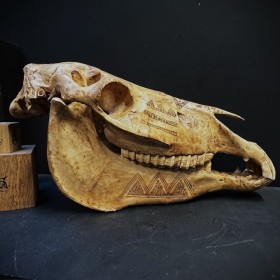
Engraved horse skull
Papuan handicraft
Origin: West Papua

Bibliothèque Choisie de Médecine - Volume 8
Selected Library of Medicine
By François PLANQUE - 1750
Complete original edition with 10 fold-out plates
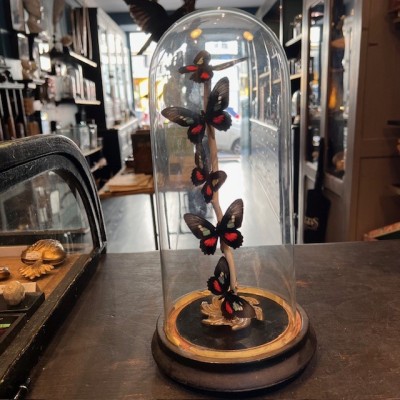
Flight of butterflies under an antique Napoleon III-era glass dome
Species: 5 Parides eurimedes butterflies
Only available for pick-up in store at Paris, as the butterflies under the glass dome are too fragile to be shipped
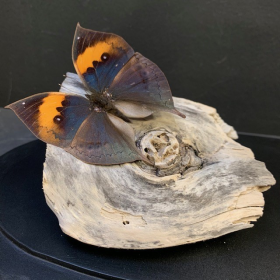
Leaves butterflies under oval glass bell - Kallima Inachus
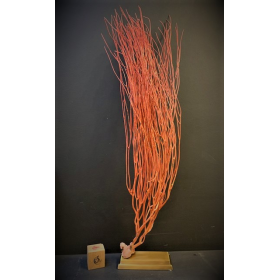
Flame gorgon - Red Whip Coral on pedestal - Ellisella grandis from Indonesia
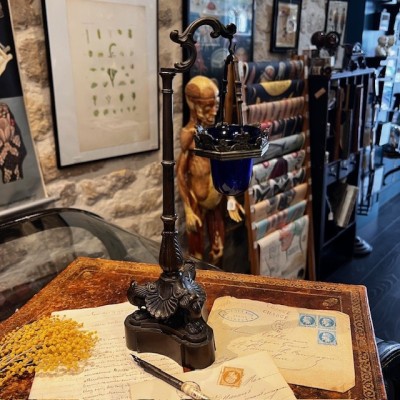
Louis Philippe period hanging table lamp
Period: July Monarchy around 1835-1845, still in transition from Rococo to the previous Restoration period.
Bronze with medal patina and cobalt blue blown glass.
Former oil night lamp.
Beautiful presence and intact patina, complete system.
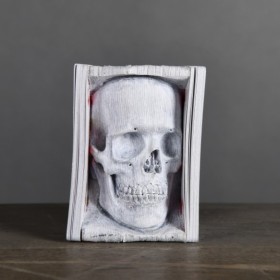
Memento Mori sculpted from a deck of cards - Poker
Size M
RED color
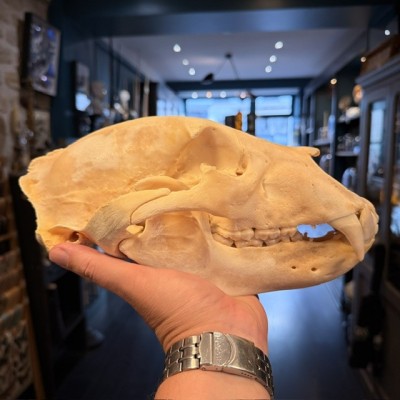
Black Bear Skull from Canada
Ursus americanus
You must live in the European Union to buy this skull
Not for sale outside the European Union
Sold with its CITES import permit
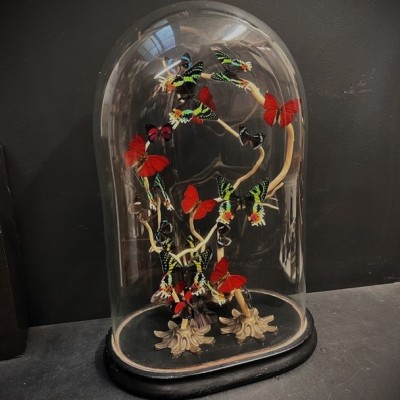
Butterflies flying under an antique Napoleon III victorian glass dome
Under a 19th-century glass globe
Composition - Label of the City of Paris - Fabriqué à Paris 2026
Only available for pick-up in store at Paris, as the butterflies under the glass dome are too fragile to be shipped
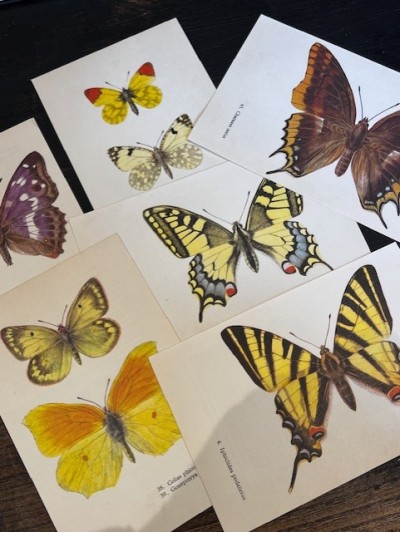
Butterfly - Natural History color plate
Entomology
You buy 1 plate, not the whole set
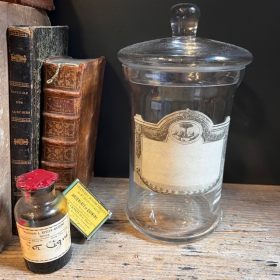
Herbalist's or Pharmacist's jar
Antique blank label of the XVIIIth century
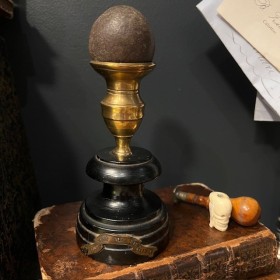
Antique bezoar - Antipoison - Antidote
Once sold by the apothecary, bezoar, also known as gallstone, was reputed to have the same anti-poison properties as the legendary unicorn's horn, hence its excessively high price, also due to its great rarity.
An important piece in a cabinet of curiosities
Sold alone - Without stand, sold separately
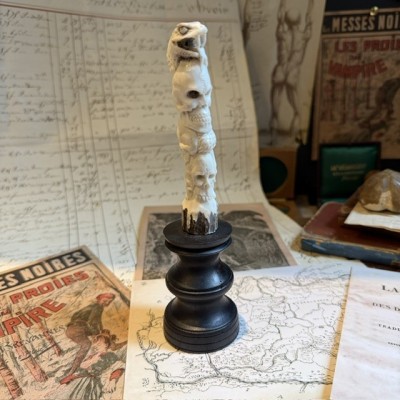
Deer antler sculpture - Snake and Skulls Totem on pedestal
Material : Antler
Origin: Indonesia
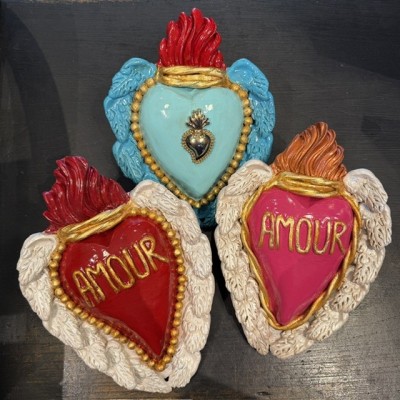
Ex-Voto heart in clay by Cuore di Argilla
Italy crafts - Made in Venice
A contemporary reinterpretation of the traditional ex-voto, originally a votive offering made to a god in request of a grace or in thanks for a grace obtained after a vow.
Dragon Stone
Septaria egg of Madagascar