
- New
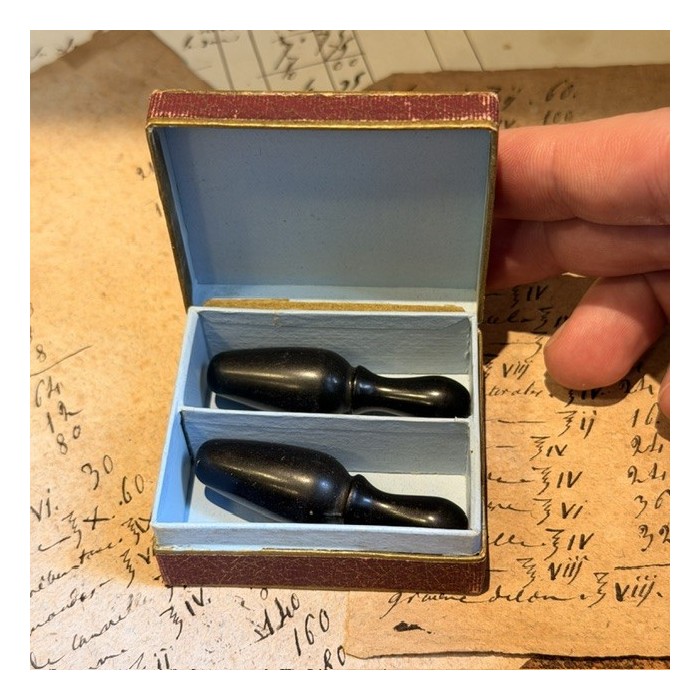
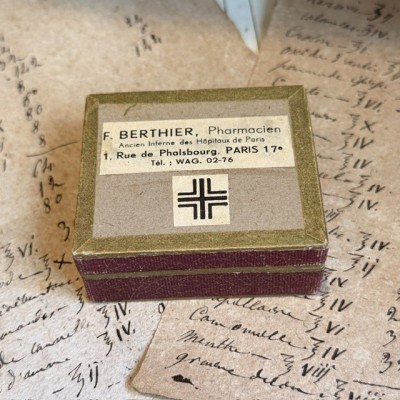
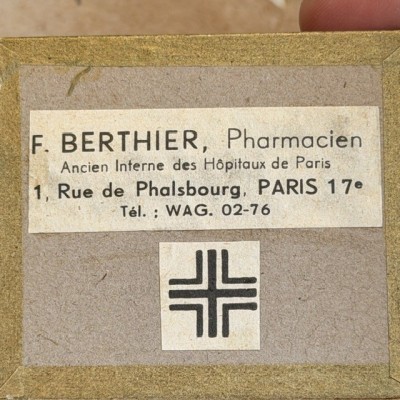
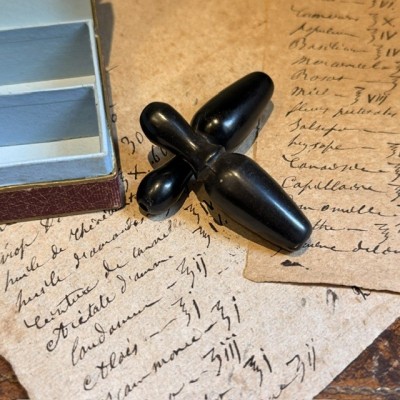
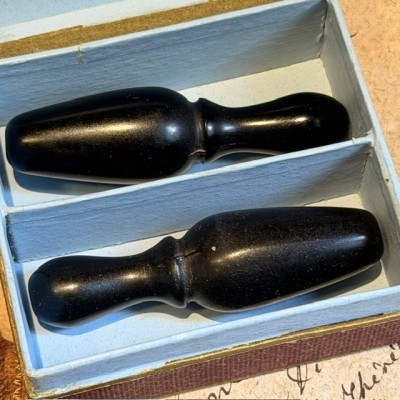
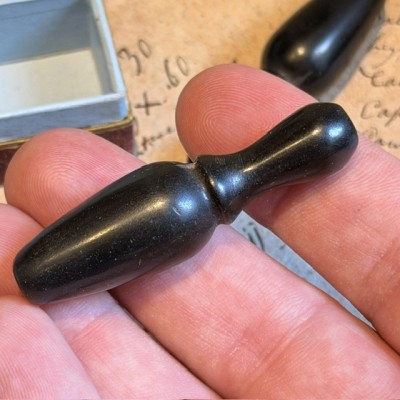
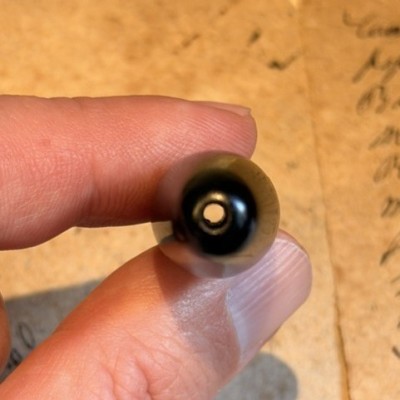
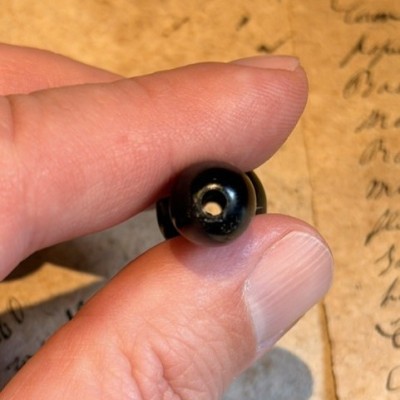
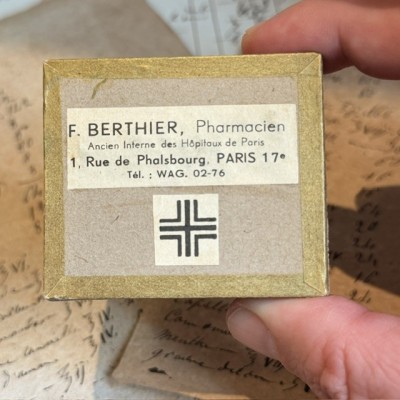
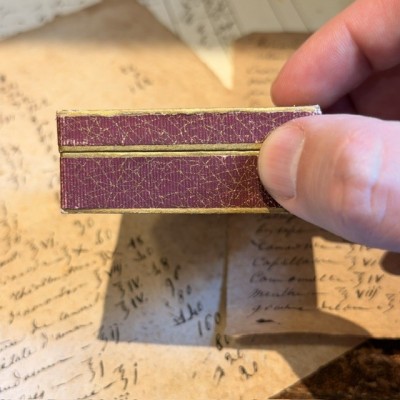
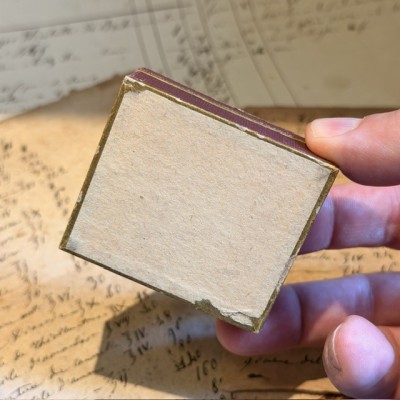
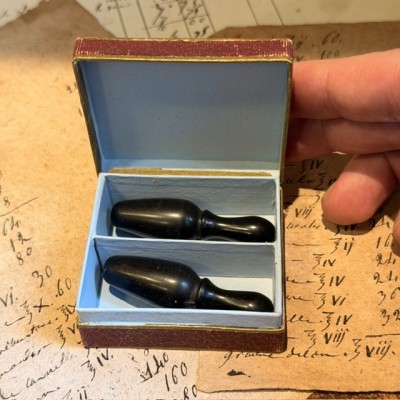
Pair of ebonite medical cannulas in their original cardboard box
Circa 1920–1930
Original stock from that period
Pair of ebonite medical cannulas in their original cardboard box
Circa 1920–1930
Tips for enema or medical irrigation cannulas.
Original stock from that period
Made of ebonite, a vulcanised rubber, ebonite offered the essential smoothness of use, excellent resistance to chemicals and the ability to be sterilised without deformation or porosity.
From the former cellar-laboratory of a Parisian pharmacy. The bottles and other items had not been moved from the shelves since the late 1950s. The cellar had served as a medical analysis laboratory and a laboratory for the pharmacy’s compounded preparations from 1900 until around 1950.
Dimensions of the box: 6x5cm
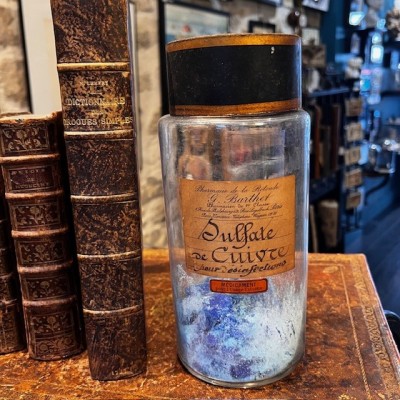
Copper Sulfate
Antique pharmacy bottle - Wide-mouth apothecary jar.
19th-century mouth-blown glass
There are still some beautiful blue crystals inside.
A fascinating artifact from the history of pharmacology
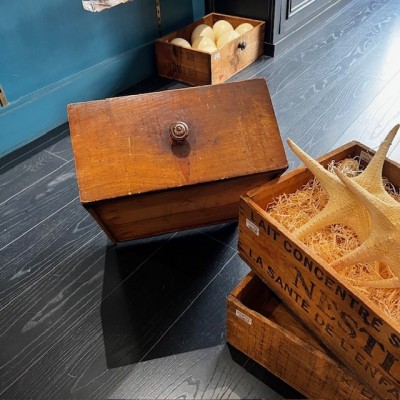
Large antique wooden pharmacy drawer with compartments - From a pharmacy or herbalist's cabinet
4 compartments
Ref A - 39.5x50cm
Can be used as a storage box
Weight: 4.1kg !
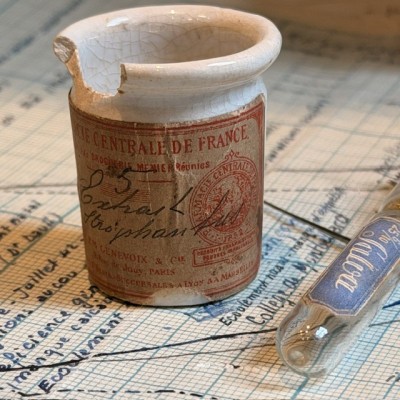
Excerpt from Strophanthus MENIER - TINY pot
Early/ mid-20th century pharmacy jar in white earthenware
Beautiful labels: Red POISON label with the famous skull and crossbones and the Poisonous Substances label
Signaling to the pharmacist that it is imperative to keep apart the other substances in the cabinet of toxic substances, the famous poison cabinet.
It comes from an old cellar-laboratory in a Parisian pharmacy. The bottles had not moved since the late 1950s on the shelves. The cellar had served as a laboratory for medical analyses and a laboratory for magistral preparations of the pharmacy from 1900 until around 1950.
EMPTY
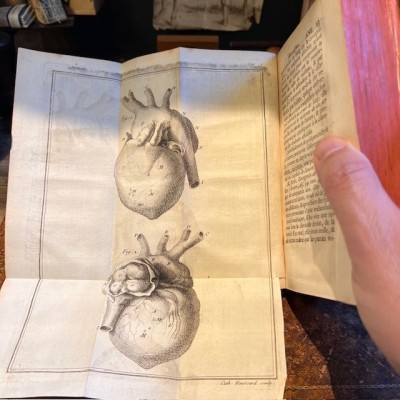
Bibliothèque Choisie de Médecine - Volume 6
Selected Library of Medicine
By François PLANQUE - 1749
Complete original edition with 5 fold-out plates
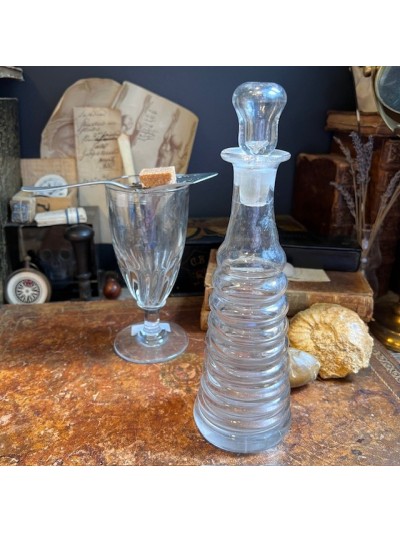
An antique absinthe topette (decanter)
10 Beaded Topette
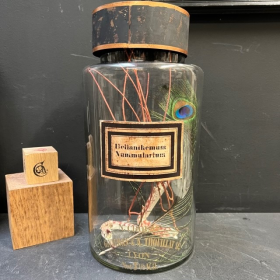
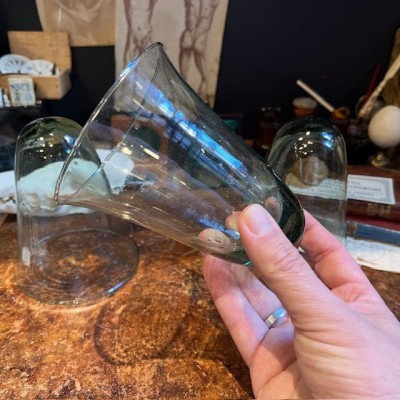
Antique glass bell jar
Apothecary / Laboratory
Thin glass, light green in color and darker at the top, with bubbles
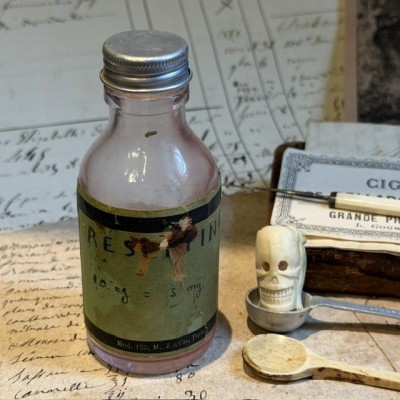
Reseptine
Antique pharmacy bottle
EMPTY

Sparteine sulphate
Used as a tonic for nervous syndromes at the very beginning of the 20th century, sparteine was also used to facilitate morphine withdrawal.
Antique pharmacy bottle
Apothecary vial
Some product left inside
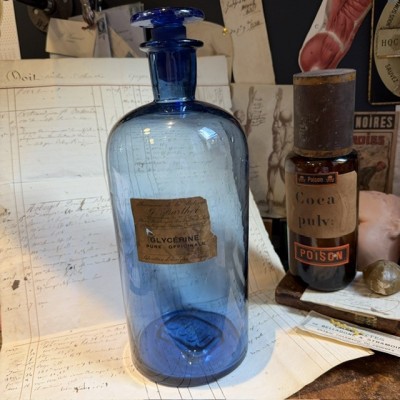
Glycérine pure officinale
Pure pharmaceutical-grade glycerine
Antique BLUE glass pharmacy bottle
EMPTY
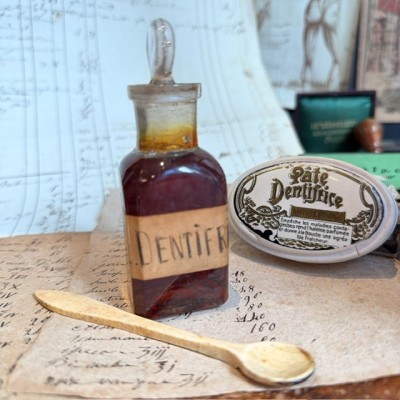
Toothpaste elixir
Antique pharmacy bottle
Handwritten label with pen
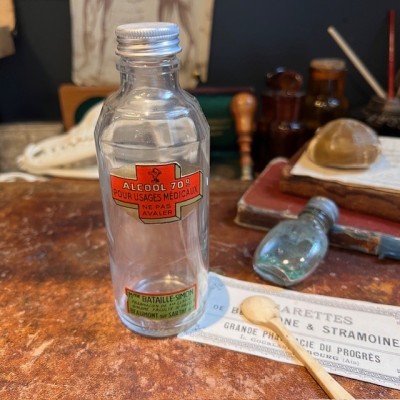
70° alcohol
Antique pharmacy bottle - Apothecary
Mrs Bataille-Simon, First Class Pharmacist in Beaumont sur Sarthe - Tel 9
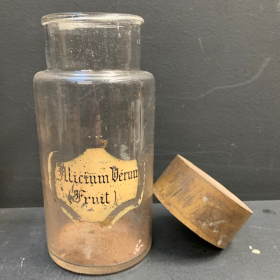
Antique pharmacy jar: Illicium verum (Fruit) / Star anise
Glass pharmacy bottle - XIXth century
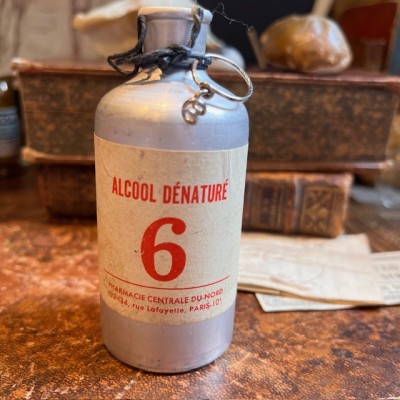
Alcool dénaturé - Alcool à brûler
Denatured alcohol - Methylated spirits
Antique pharmacy bottle - Apothecary
Empty
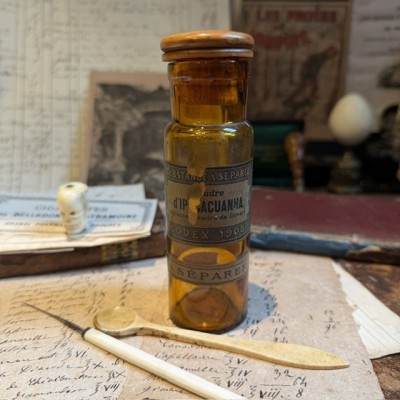
Ipecacuanha Opiate Powder - Dover's Powder
Antique amber glass bottle, with a boxwood and cork stopper.
Green label: SUBSTANCE TO BE STORED SEPARATELY – CODEX 1908
Indicating to the pharmacist that it must be stored separately from other substances in the cabinet for toxic substances, the famous ‘poison cabinet’.
It comes from the former cellar-laboratory of a Parisian pharmacy. The bottles had not been moved from the shelves since the late 1950s. The cellar had served as a medical analysis laboratory and a laboratory for the pharmacy’s compounded preparations from 1900 until around 1950.
EMPTY
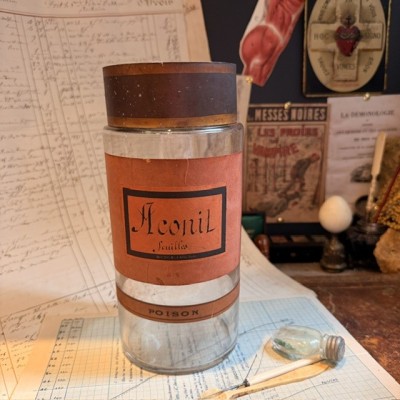
Aconit leaves - POISON
Antique pharmacy bottle - Wide-mouth apothecary jar.
19th-century mouth-blown glass
Red POISON label
Signaling to the pharmacist that it is imperative to keep apart the other substances in the cabinet of toxic substances, the famous poison cabinet.
A fascinating testimony to pharmacology
It comes from an old cellar-laboratory in a Parisian pharmacy. The bottles had not moved since the late 1950s on the shelves. The cellar had served as a laboratory for medical analyses and a laboratory for magistral preparations of the pharmacy from 1900 until around 1950.
Pair of ebonite medical cannulas in their original cardboard box
Circa 1920–1930
Original stock from that period