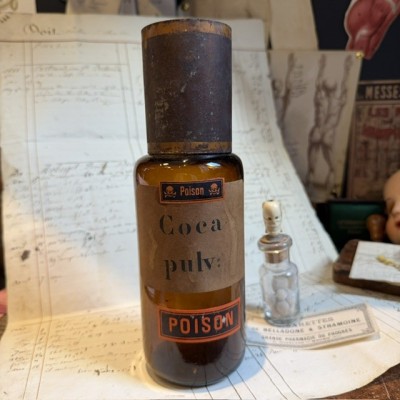

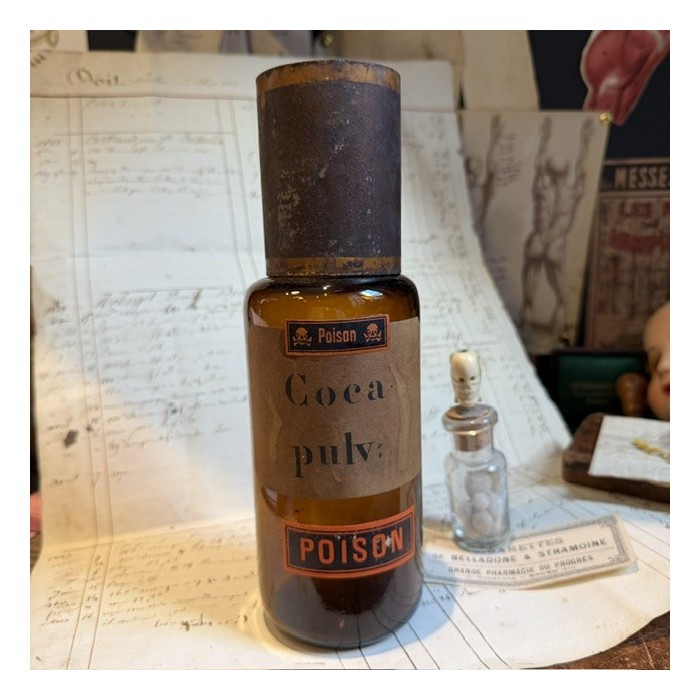
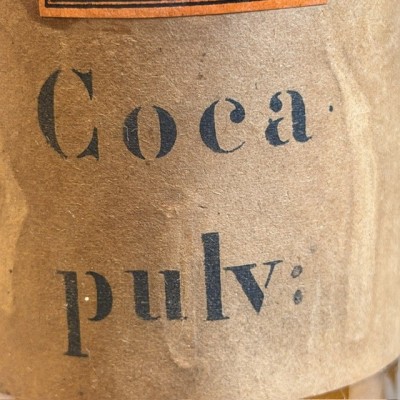
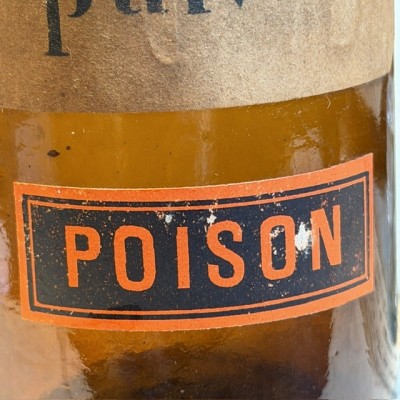
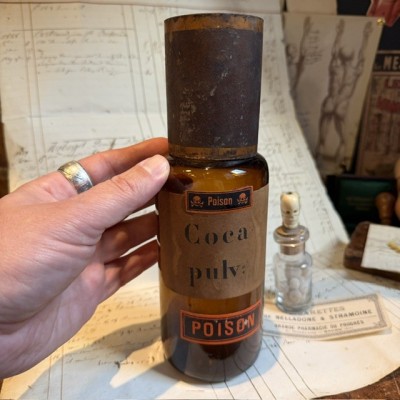
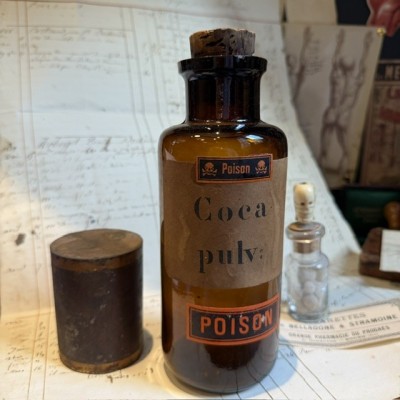
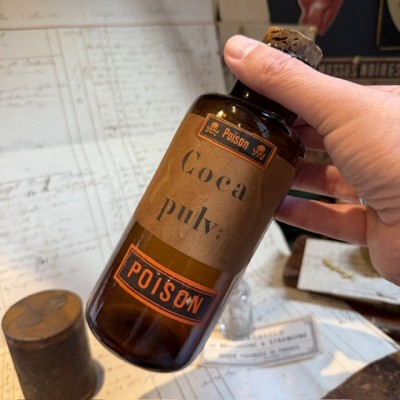
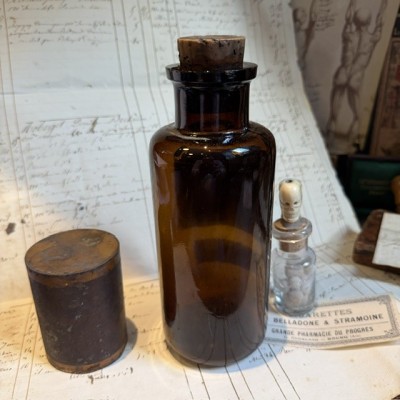
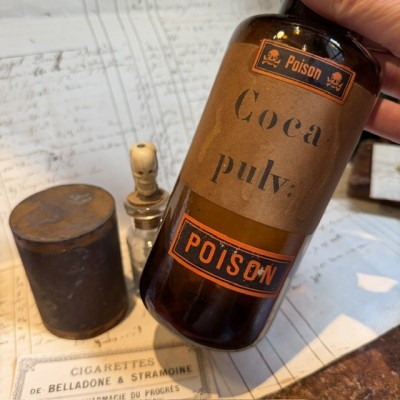
Antique apothecary bottle – Coca powder – Late 19th century/Early 20th century
POISON
Coca powder is the source of cocaine, which was the first effective local anaesthetic used in surgery and dentistry.
SOLD EMPTY
Antique pharmacy bottle – Coca powder – Late 19th century/Early 20th century
POISON
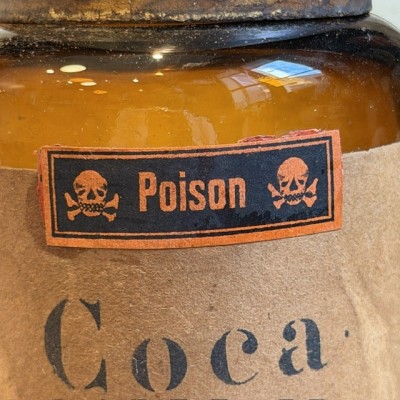
This amber glass pharmacy bottle is a fascinating artefact from the pharmacopoeia of days gone by. It features beautiful original labels with a patina, bearing the handwritten inscription ‘Coca pulv:’ (coca leaf powder).
The visual impact is enhanced by two orange and black bands marked ‘POISON’, framed by the famous skull and crossbones, a reminder of the danger and strict regulations surrounding active substances at the time. The bottle is topped with its original metal stopper.
Before being classified as a narcotic and subsequently banned from the pharmacopoeia, coca was a key plant in European medicine, particularly between 1860 and 1920.
Coca powder is the source of cocaine, which was the first effective local anaesthetic used in surgery and dentistry.
The remedy for fatigue: It was used to prepare medicinal wines (such as the famous Vin Mariani), lozenges for sore throats, or powders purported to treat depression, neurasthenia and lethargy. It was praised for its stimulating properties on the nervous and muscular systems.
Appetite suppressant and physical performance: In keeping with traditional Andean practices, it was prescribed to boost physical stamina and reduce feelings of hunger.
By the end of the 19th century, pharmacists were aware of the plant’s toxicity and addictive properties. The bottles were therefore labelled ‘Poison’ to indicate that dispensing was strictly controlled by the pharmacist and kept in the Poison Cabinet.
Diameter 7cm. Height with cap: 22.5cm
SOLD EMPTY
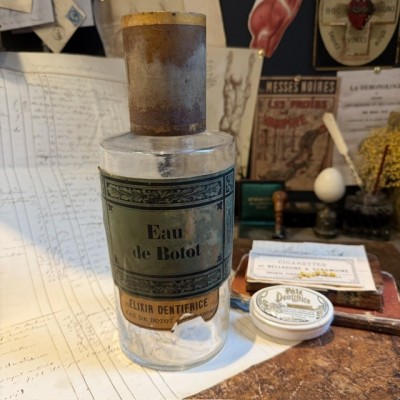
Eau de Botot - Tooth-cleansing Elixir
CODEX 1884
Antique 19th-century pharmacy bottle
EMPTY
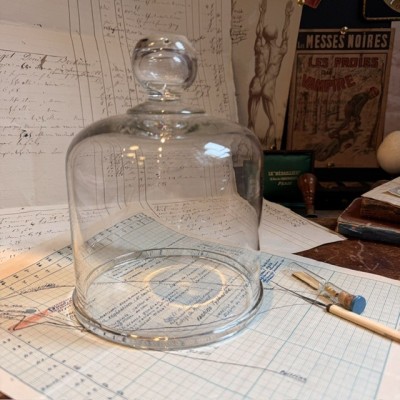
Protective laboratory bell jar - Low form with knob in blown glass
Period: 1900 - Pharmacy - Apothecary
Used by the pharmacist to cover precision instruments or isolate preparations undergoing analysis
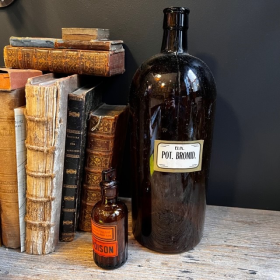
Potassium Bromide Elixir
Antique and large brown English pharmacy bottle
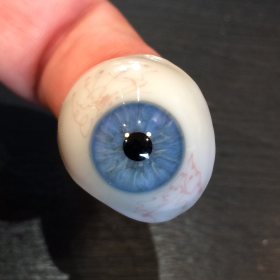
Antique glass eye
Real antique eye prosthesis
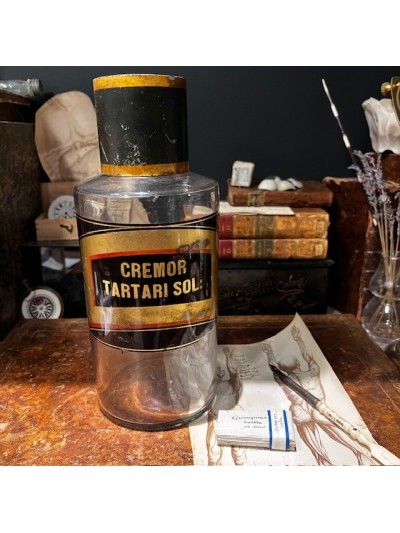
Cremor tartari sol - Cream of tartar
Potassium bitartrate
Pharmacy jar - Herbalism - Apothecary bottle
Late 19th century
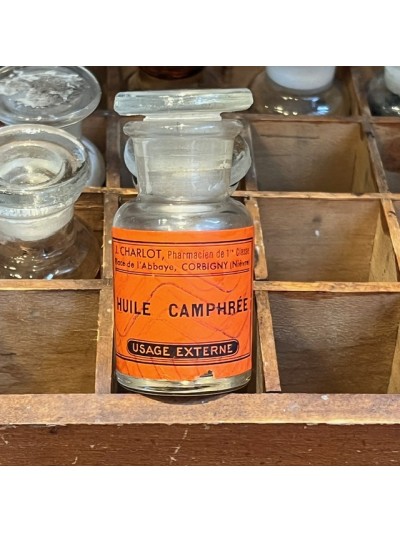
Camphorated oil
Antique pharmacy bottle
Apothecary vial
EMPTY but cap is blocked and bottle will not open
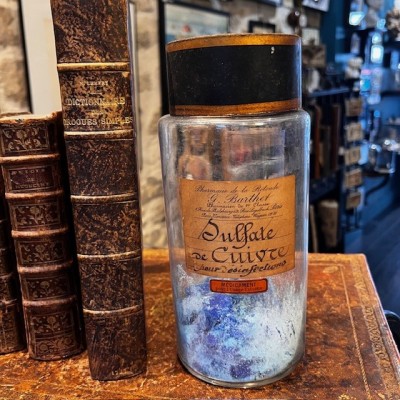
Copper Sulfate
Antique pharmacy bottle - Wide-mouth apothecary jar.
19th-century mouth-blown glass
There are still some beautiful blue crystals inside.
A fascinating artifact from the history of pharmacology

Lower part of the lower mandible of a horse jaw
Antique model from Maison Auzoux in Paris
Paper-mâché pedagogical model
Model A - 9 months
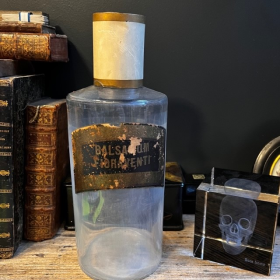
Antique pharmacy bottle from the 19th century
Balsamum Fioravanti - Balm of Fioravanti
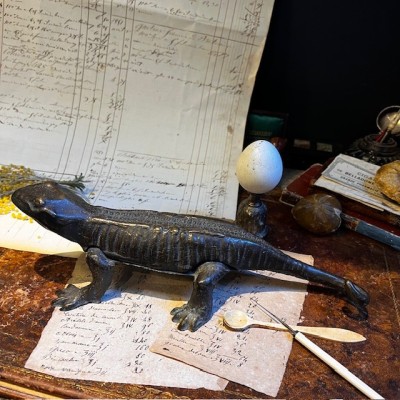
Salamander - Pharmacy corkscrew in bronze
XIXth century
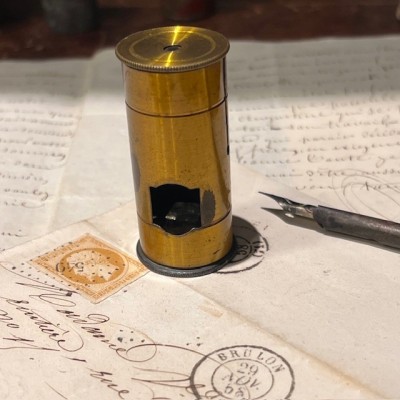
Floroscope
Botanist's microscope
Pocket microscope Late 19th - early 20th century
Warning: Here composed of 2 Stanhope lenses
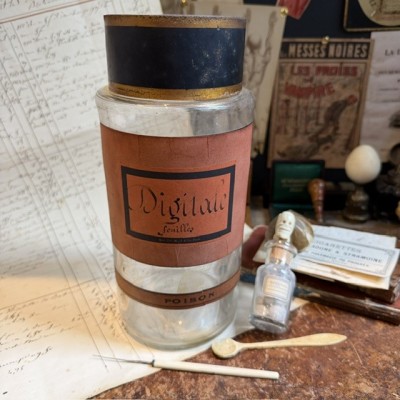
Foxglove leaves - POISON
Antique pharmacy bottle - 19th-century mouth-blown glass
Red POISON label
Signaling to the pharmacist that it is imperative to keep apart the other substances in the cabinet of toxic substances, the famous poison cabinet.
A fascinating testimony to pharmacology
It comes from an old cellar-laboratory in a Parisian pharmacy. The bottles had not moved since the late 1950s on the shelves. The cellar had served as a laboratory for medical analyses and a laboratory for magistral preparations of the pharmacy from 1900 until around 1950.
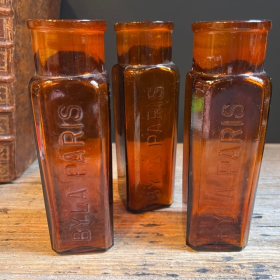
BYLA - Antique Pharmacy bottle in amber glass
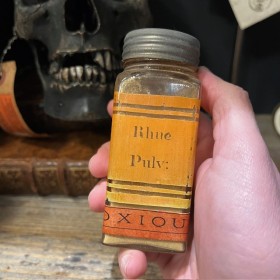
Rue Powder
Rue was an abortive plant
Antique pharmacy bottle - Poison - Toxic
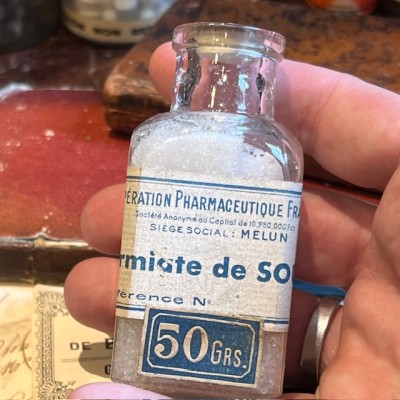
Sodium formate
Antique pharmacy bottle - Apothecary
There is still some product left inside

Sparteine sulphate
Used as a tonic for nervous syndromes at the very beginning of the 20th century, sparteine was also used to facilitate morphine withdrawal.
Antique pharmacy bottle
Apothecary vial
Some product left inside
Antique apothecary bottle – Coca powder – Late 19th century/Early 20th century
POISON
Coca powder is the source of cocaine, which was the first effective local anaesthetic used in surgery and dentistry.
SOLD EMPTY