
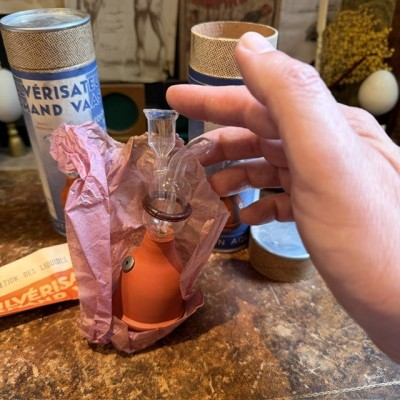
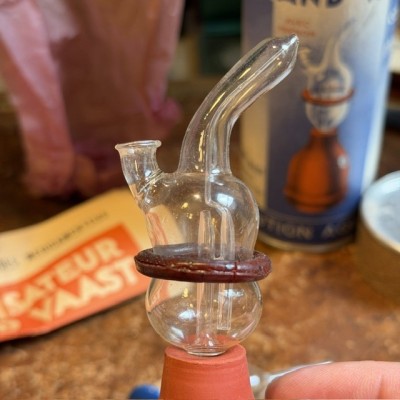
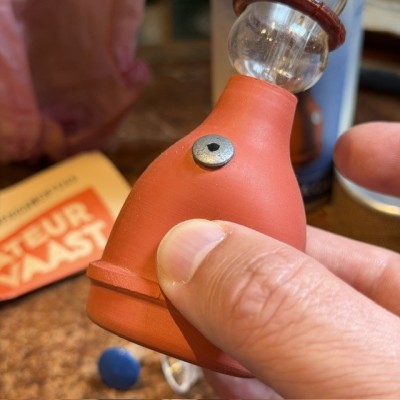
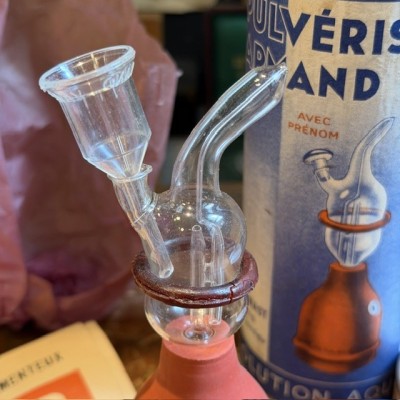
Armand Vaast nasal spray - Oil vaporizer - Antique remedy
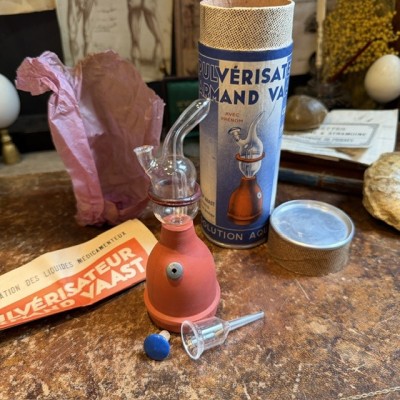
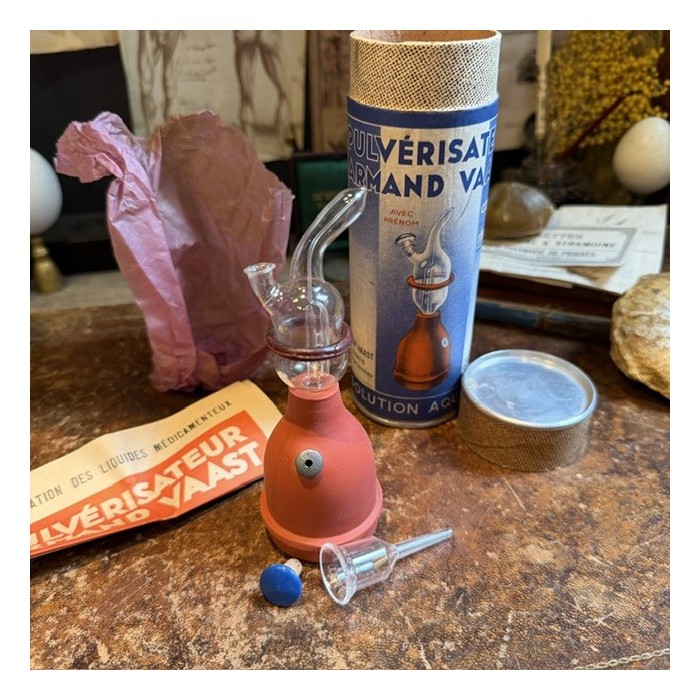
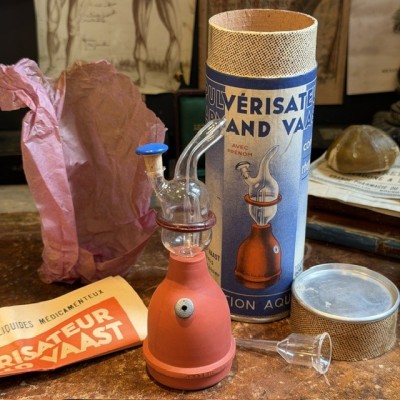
In its box
Used in otolaryngology, it was intended for nasal or oral sprays in the treatment of colds and antiseptic treatment of the respiratory tract.
Armand Vaast nasal spray - Oil vaporizer - Antique remedy
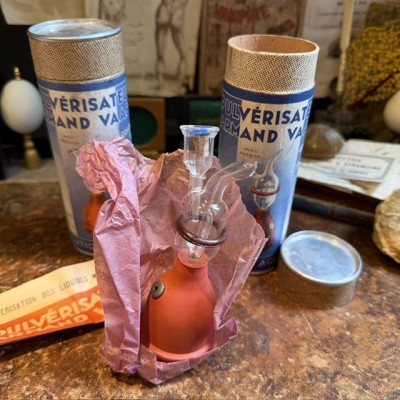
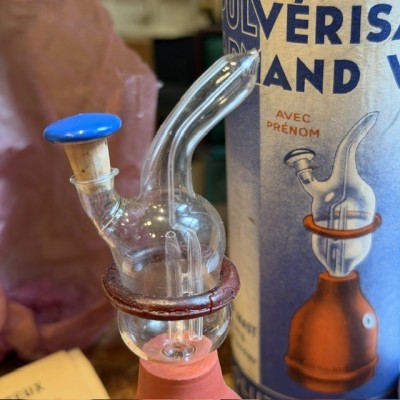
The spray consists of a rubber bulb topped with a glass bulb with a cork stopper. Inside is a curved glass tube.
This device, marketed by Armand Vaast, based on Rue de l'Odéon in Paris, was hugely successful with the medical profession.
It was used to spray oils and medicinal liquids in mist form, used in otorhinolaryngology, employed in the treatment of respiratory conditions, colds, nose, throat, larynx and antiseptic treatment of the respiratory tract.
First half of the 20th century.
Comes with its cylindrical box in good condition.
In good condition, the rubber is still flexible!
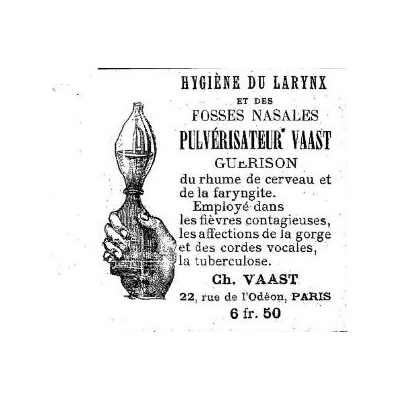
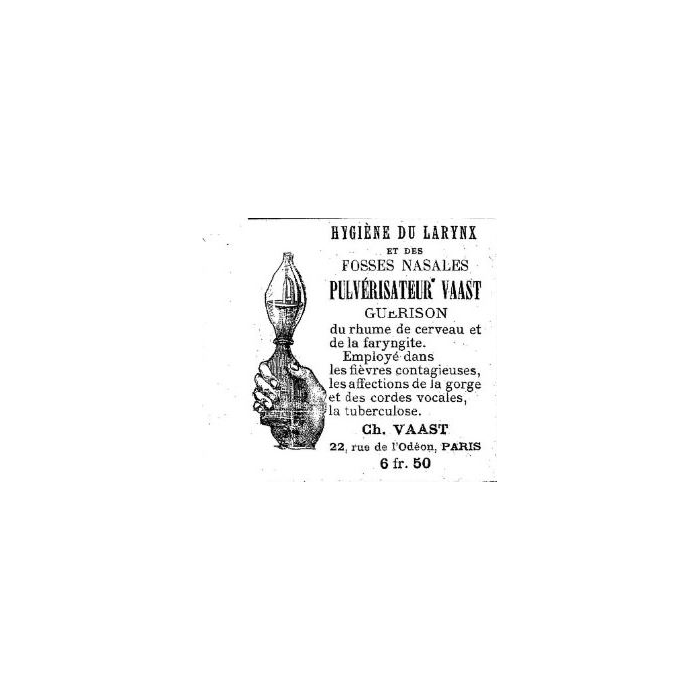
Here is an advertisement from the period:
Height of diffuser: 14cm
Height of box: 16.5cm
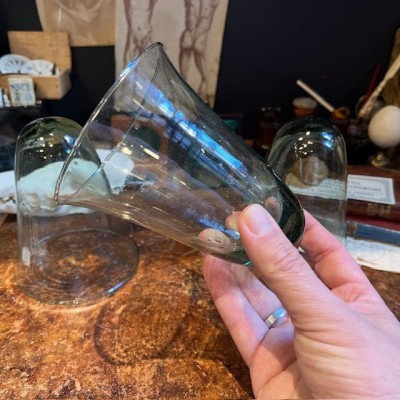
Antique glass bell jar
Apothecary / Laboratory
Thin glass, light green in color and darker at the top, with bubbles
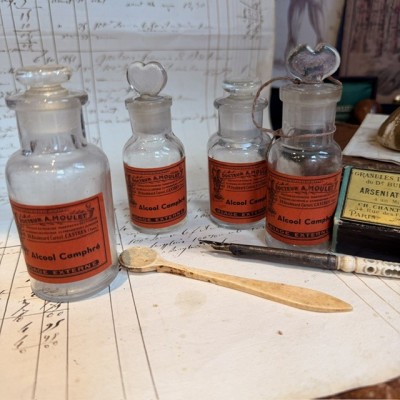
Alcool camphrée
Antique pharmacy bottle
EMPTY
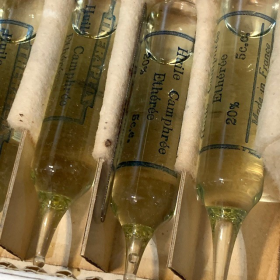
Bulb for hypodermic injection - Camphorated ethereal oil (circa 1920)
THERAPLIX
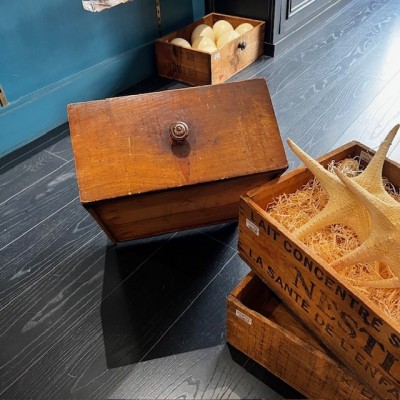
Large antique wooden pharmacy drawer with compartments - From a pharmacy or herbalist's cabinet
4 compartments
Ref A - 39.5x50cm
Can be used as a storage box
Weight: 4.1kg !
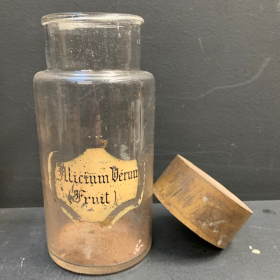
Antique pharmacy jar: Illicium verum (Fruit) / Star anise
Glass pharmacy bottle - XIXth century
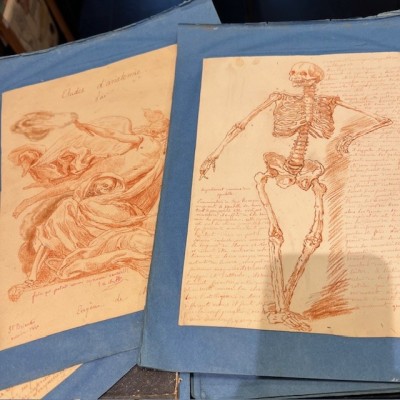
Red chalk drawing- Anatomical drawing
Anatomical study
Drawn by Eugène de Montchoisy in Saint-Brieuc in November 1840
These are not reproductions but original period drawings in red chalk.
You are purchasing one plate, not the entire set of plates

Aqua Piris - Pear water
Antique pharmacy jar
Apothecary
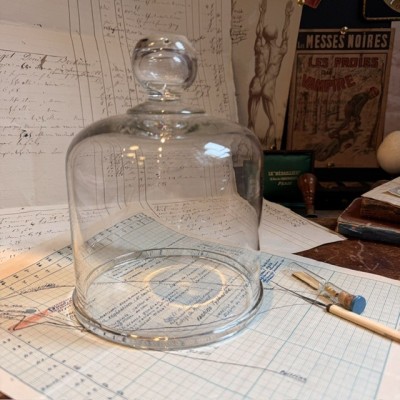
Protective laboratory bell jar - Low form with knob in blown glass
Period: 1900 - Pharmacy - Apothecary
Used by the pharmacist to cover precision instruments or isolate preparations undergoing analysis
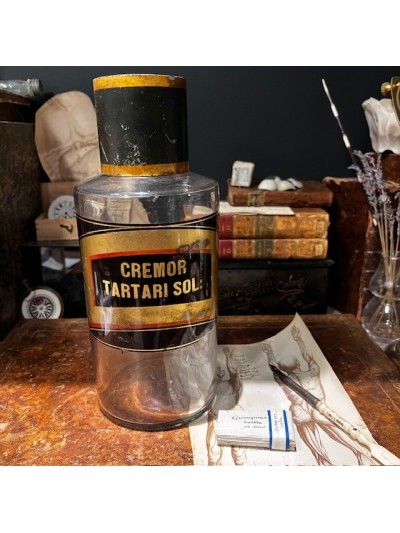
Cremor tartari sol - Cream of tartar
Potassium bitartrate
Pharmacy jar - Herbalism - Apothecary bottle
Late 19th century
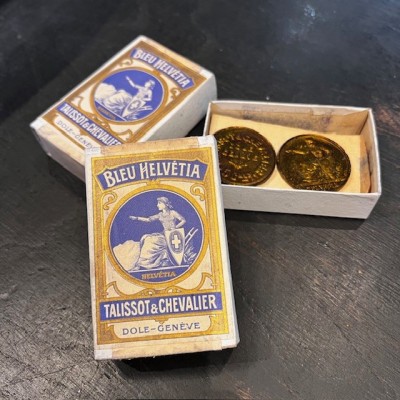
Antique Laundry blue box - Helvetia Blue from Talissot & Chevalier in Dôle and Geneva
Period: 1890-1905
Box containing 6 gold-plated “coins” made of blue wash, resembling the iconography of Swiss coins and medals from the late 19th and early 20th centuries.
Beautiful blue and gold illustration on the box.
Your box will be sealed: never opened in 120 years
UNOBTAINABLE
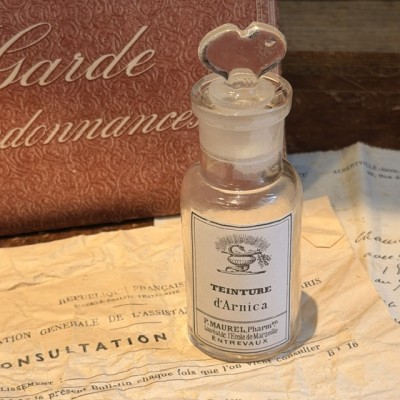
Teinture d'Arnica
Antique pharmacy bottle
EMPTY
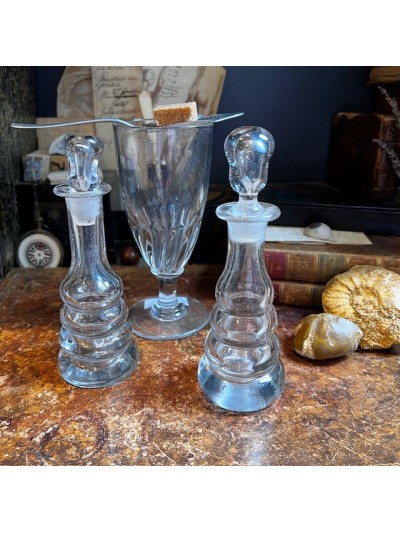
An antique absinthe topette (decanter)
4 Beaded Topette
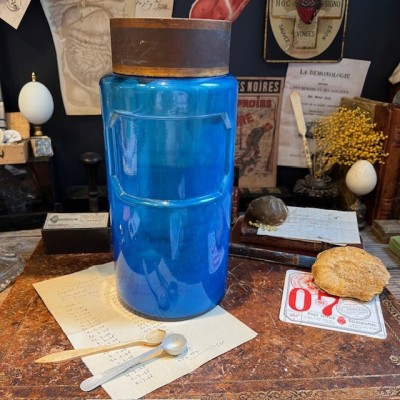
Cobalt blue glass pharmacy jar - Apothecary - Wide neck - H26cm - 19th
Apothecary jar with wide opening. Antique pharmacy bottle
Mouth-blown glass - Cobalt blue color tinted throughout
This large-capacity jar was a storage jar intended for stockpiling
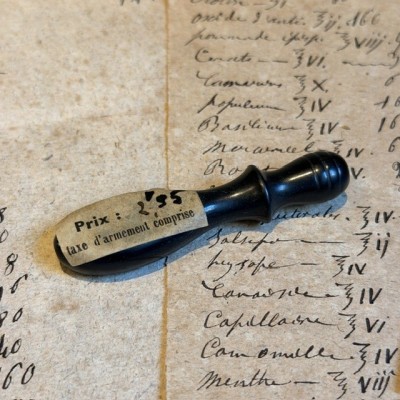
Ebonite cannula tip
Tips for enema or medical irrigation cannulas. New Old Stock
Marketed between May 1939 and sometime in 1940
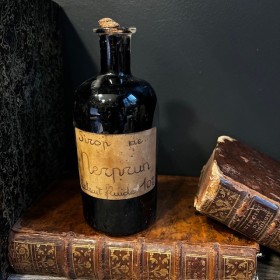
Buckthorns syrup
Antique pharmacy bottle
Apothecary vial
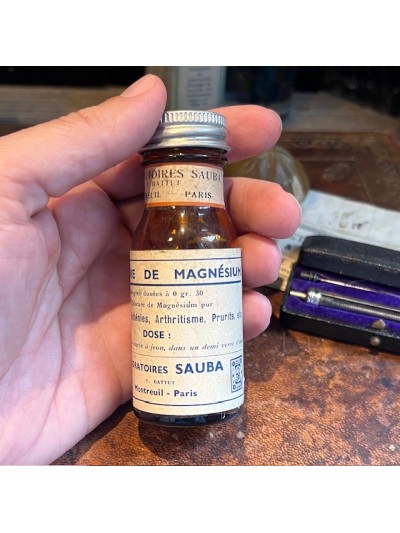
Chlorure de magnésium
Antique pharmacy bottle
Apothecary vial
EMPTY
Armand Vaast nasal spray - Oil vaporizer - Antique remedy
In its box
Used in otolaryngology, it was intended for nasal or oral sprays in the treatment of colds and antiseptic treatment of the respiratory tract.