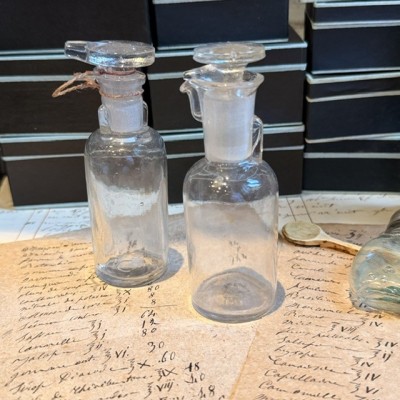
Dropper Bottle - Antique pharmacy bottle - Apothecary -...
Dropper Bottle
Antique pharmacy bottle - 1920-30's
EMPTY
Price
€15.00
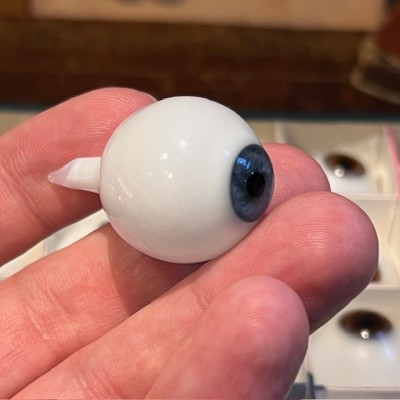
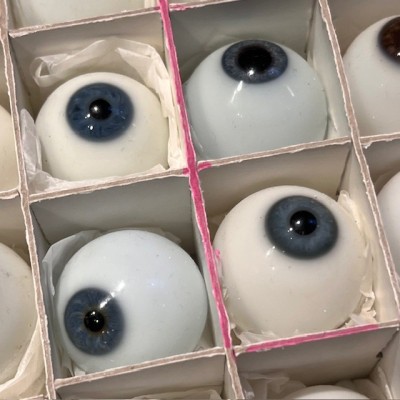
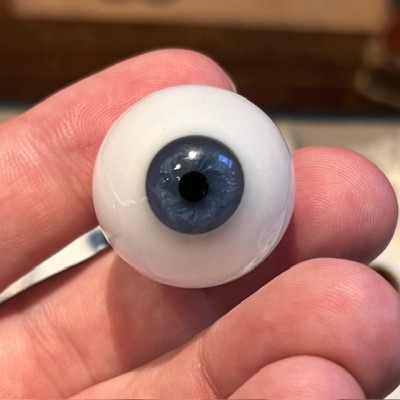
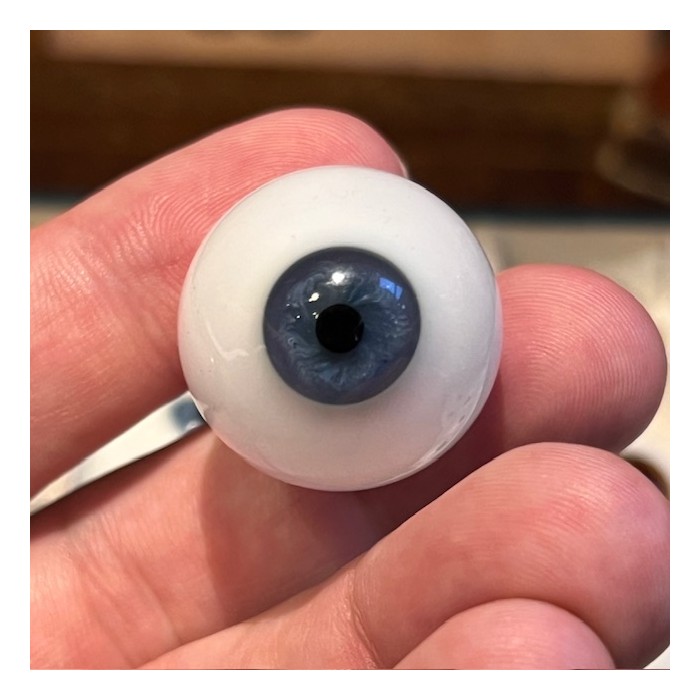
Antique glass eye - Semi-finished
Genuine antique ocular prosthesis
Color variations and irises of different sizes
The price is per unit, for one eye only
Antique glass eye - Semi-finished
Genuine antique ocular prosthesis with a hand-painted iris designed to resemble the remaining eye as closely as possible.
This eye is not finished; it is semi-finished. It does not have its final shape, which will be carved when the patient is fitted with their own measurements, nor does it have red veins. They all have a small glass “tail” typical of semi-finished prostheses made by blowing. This serves as a grip during manufacture before cutting and polishing.
Color differences and different iris sizes
Not all blue eyes are the same shade of blue, and the same is true for brown and green eyes. Each color is unique. Please note that the green colour is not a bright green, but rather a mixture of brown, grey and light blue that gives the impression of green.
Also, keep in mind that only people with one eye are fitted with prosthetic eyes, not blind people, which means that no two pairs of eyes are EVER identical.
The price is per unit, meaning for one eye only
Dropper Bottle
Antique pharmacy bottle - 1920-30's
EMPTY
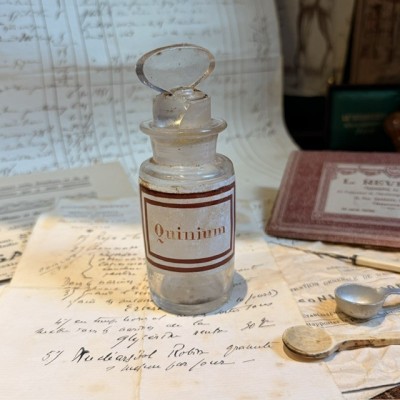
Quinium
Antique pharmacy blown-glass bottle - XIXth century
EMPTY - Blocked cap
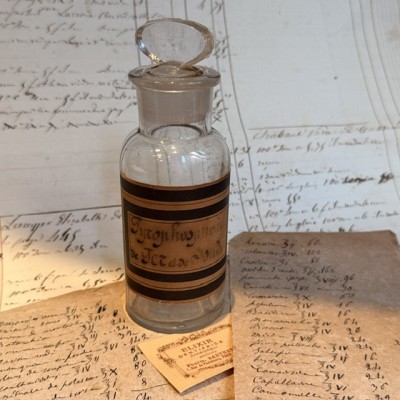
Iron & Soda Pyrophosphate
Antique pharmacy bottle
EMPTY

Antique Guyon bladder syringe in bakelite
Beginning of XXth century
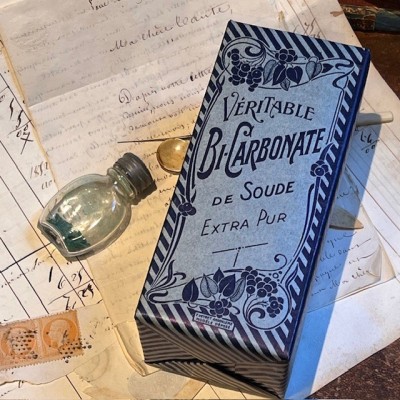
Bi-Carbonate de Soude - Sodium bicarbonate
Antique cardboard pharmacy box
Beautiful typography typical of the Belle Époque: circa 1910-1920
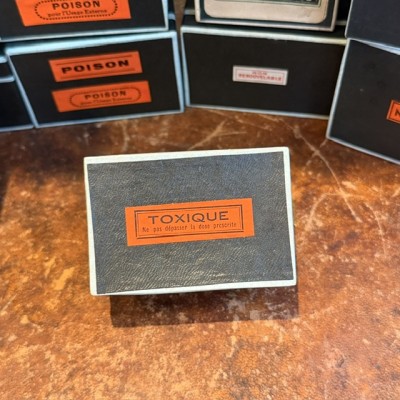
Antique labels in a pharmacy box for cures made of canvas cardboard
TOXIC label - Do not exceed the prescribed dose
The pharmacist used his boxes of medicine to put away the labels he would then put on the bottles that he would resell to his customers.
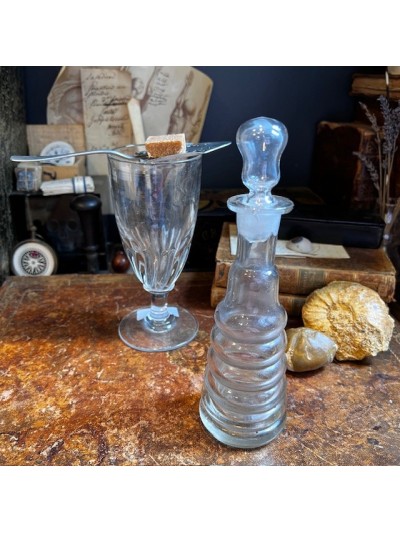
An antique absinthe topette (decanter)
6 Beaded Topette
Residue in the bottom of the carafe
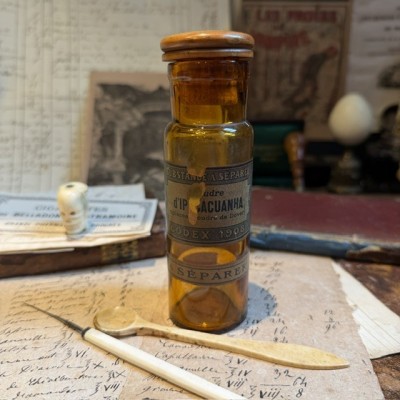
Ipecacuanha Opiate Powder - Dover's Powder
Antique amber glass bottle, with a boxwood and cork stopper.
Green label: SUBSTANCE TO BE STORED SEPARATELY – CODEX 1908
Indicating to the pharmacist that it must be stored separately from other substances in the cabinet for toxic substances, the famous ‘poison cabinet’.
It comes from the former cellar-laboratory of a Parisian pharmacy. The bottles had not been moved from the shelves since the late 1950s. The cellar had served as a medical analysis laboratory and a laboratory for the pharmacy’s compounded preparations from 1900 until around 1950.
EMPTY
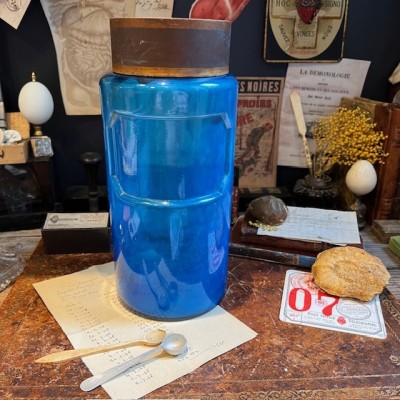
Cobalt blue glass pharmacy jar - Apothecary - Wide neck - H26cm - 19th
Apothecary jar with wide opening. Antique pharmacy bottle
Mouth-blown glass - Cobalt blue color tinted throughout
This large-capacity jar was a storage jar intended for stockpiling
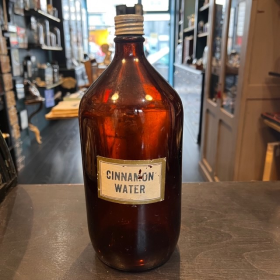
Cinnamon Water
Antique and large brown English pharmacy bottle
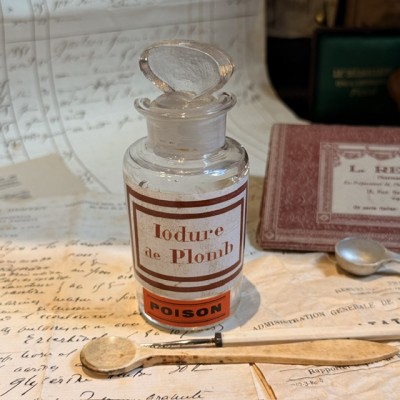
Lead iodide
Antique pharmacy bottle made of blown glass and enameled painted label.
Red POISON label
Signaling to the pharmacist that it is imperative to keep apart the other substances in the cabinet of toxic substances, the famous poison cabinet.
Dating: 19th century
EMPTY
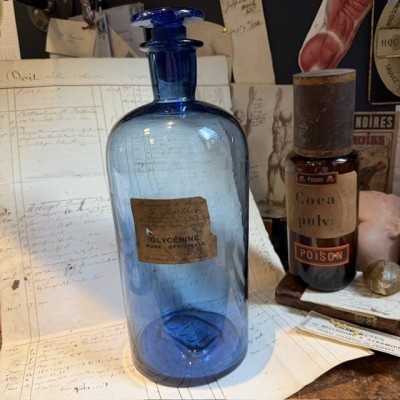
Glycérine pure officinale
Pure pharmaceutical-grade glycerine
Antique BLUE glass pharmacy bottle
EMPTY
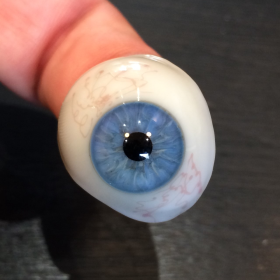
Antique glass eye
Real antique eye prosthesis
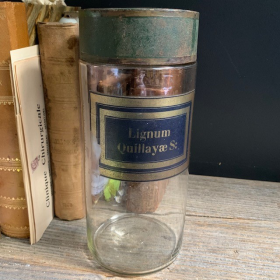
Antique pharmacy jar: Lignum Quillayae Saponaria
Panama wood - 19th century jar
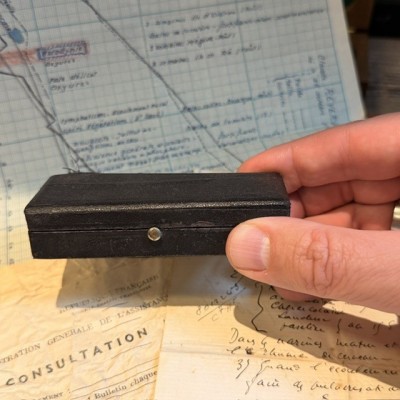
Antique Pravaz hypodermic injection syringe - 19th century
Syringe in it's case
not functional
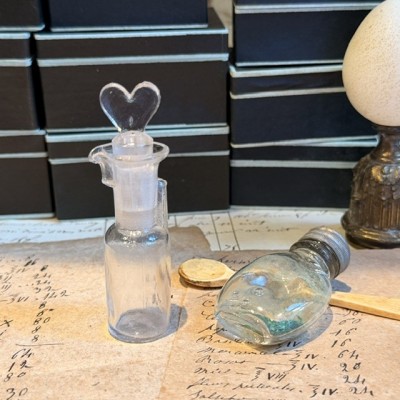
Dropper bottle
Antique pharmacy bottle - 1920-30's
Glass stopper honed in the shape of a heart for better grip
EMPTY
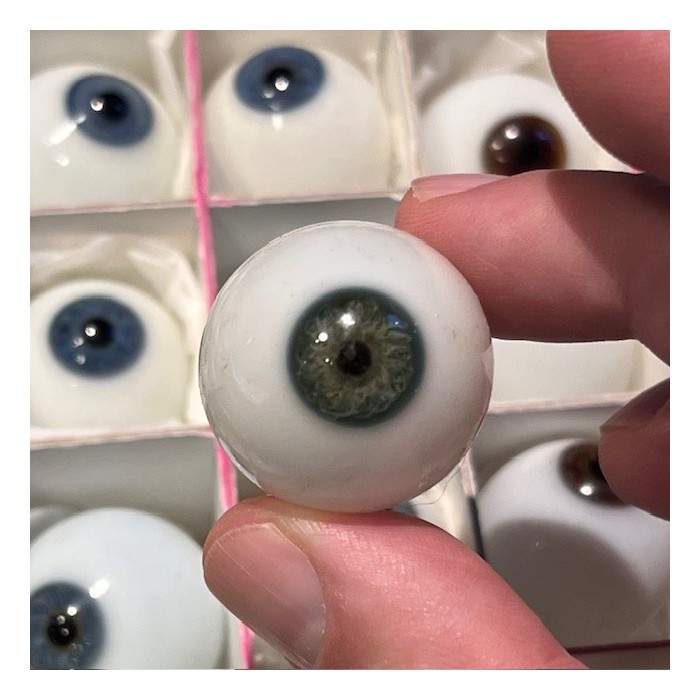
Antique glass eye - Semi-finished
Genuine antique ocular prosthesis
Color variations and irises of different sizes
The price is per unit, for one eye only