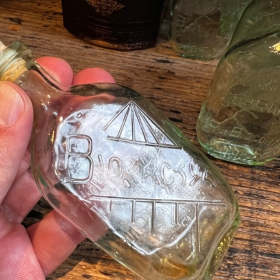


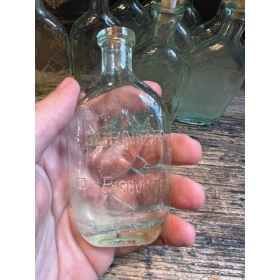
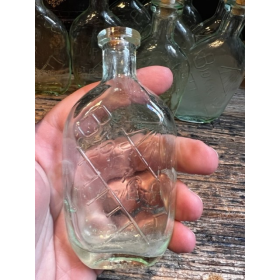
Antique pharmacy bottle
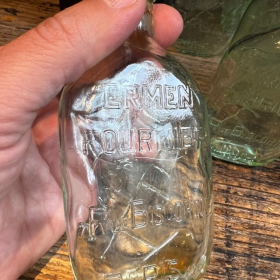
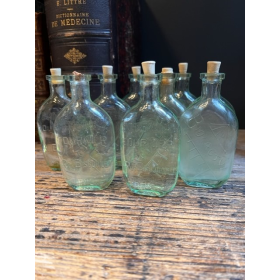
BIOLACTYL Ferment Fournier - Early 1900
Antique pharmacy bottle
BIOLACTYL Ferment Fournier - Early 1900
BIOLACTYL product, developed by the Parisian laboratory Ferment Fournier, rue Riscornet in Paris in the 12th arrondissement.
Used against intestinal diseases, digestive poisoning and infections.
Corked
Height: 11.5cm
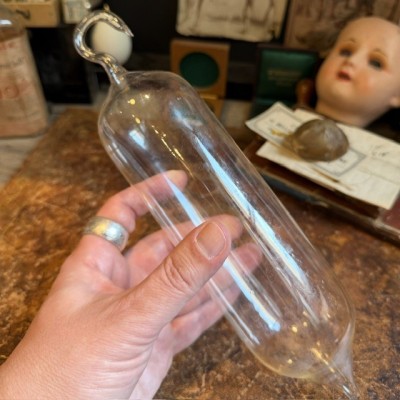
Antique sodium chloride infusion bulb
500cm3
in its original box - Still full

Collodion
Used as a liquid dressing
Antique pharmacy bottle
EMPTY

Human jaws in porcelain mounted on a blackened wooden base
Anatomical dental model for dentists
19th century
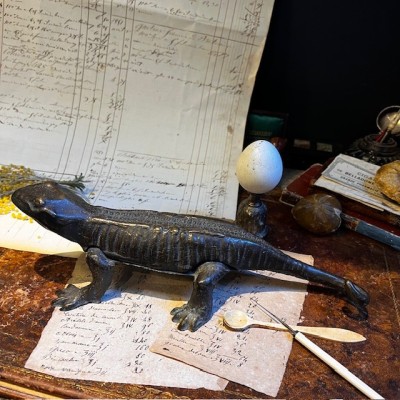
Salamander - Pharmacy corkscrew in bronze
XIXth century
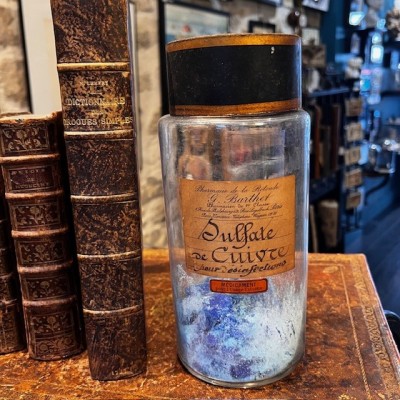
Copper Sulfate
Antique pharmacy bottle - Wide-mouth apothecary jar.
19th-century mouth-blown glass
There are still some beautiful blue crystals inside.
A fascinating artifact from the history of pharmacology
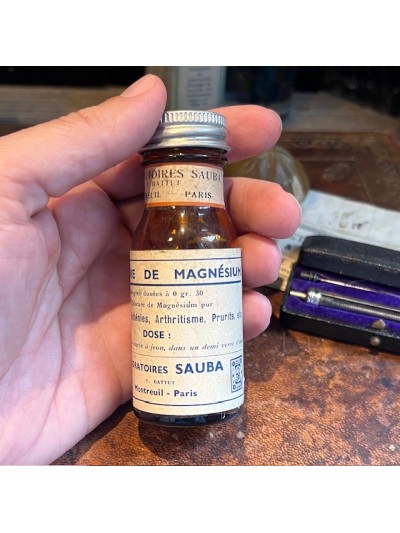
Chlorure de magnésium
Antique pharmacy bottle
Apothecary vial
EMPTY
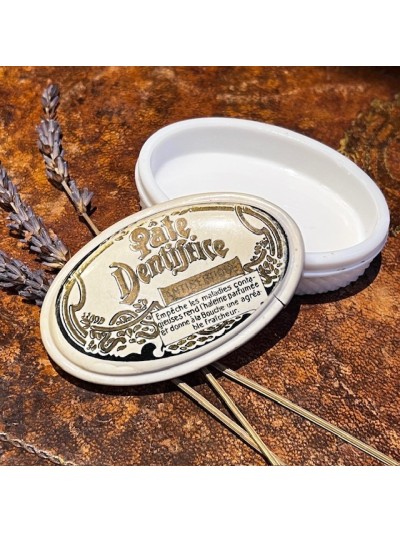
Toothpaste - Antique apothecary
Porcelain pot with illustrated plastic lid
Antiseptic
Early 20th century - Caution the lid is cracked
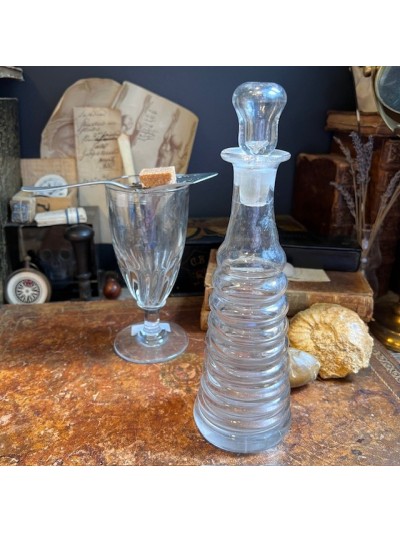
An antique absinthe topette (decanter)
10 Beaded Topette
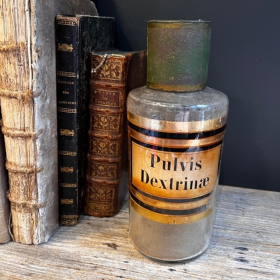
Dextrin powder - Starch - Pulvis Dextrinae
Antique pharmacy bottle
Blown glass
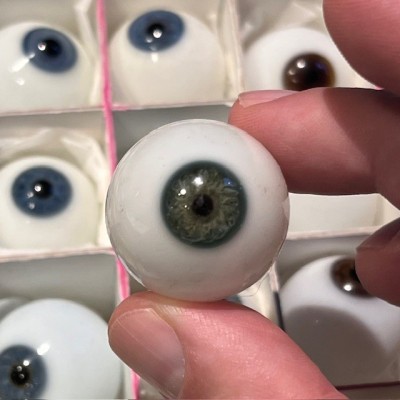
Antique glass eye - Semi-finished
Genuine antique ocular prosthesis
Color variations and irises of different sizes
The price is per unit, for one eye only
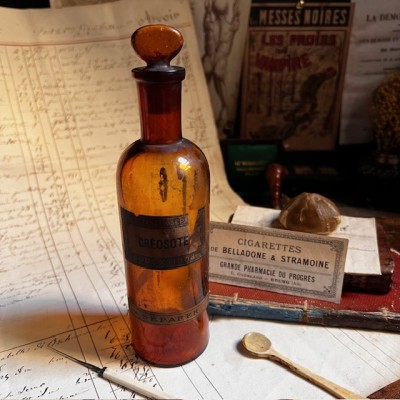
Créosote
Antique pharmacy bottle
Green label: SUBSTANCE TO BE SEPARATED - CODEX 1908
This means that this bottle had to be kept separate from the others because it was dangerous in high doses
EMPTY

Iodure de Sodium
Antique pharmacy bottle
End of the 19th century—very beginning of the 20th century: circa 1890-1910
EMPTY
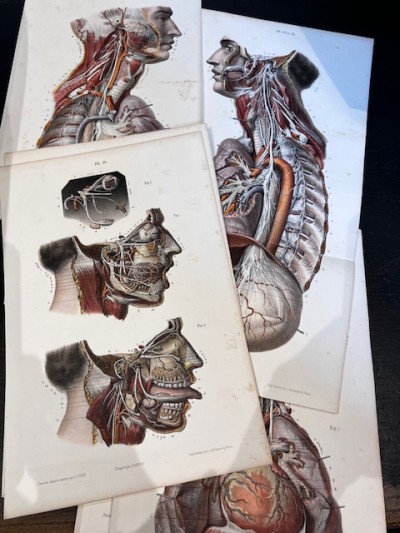
Anatomical chart by Ludovic Hirschfeld drawn by Léveillé
From Traité et iconographie du système nerveux et des organes des sens de l'homme avec leur mode de préparation
Published in 1866
Lithography
You buy 1 plate, not the whole set
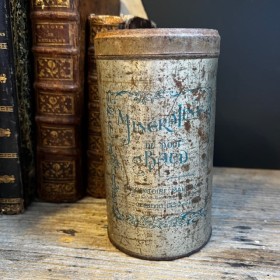
Mineraline by Dr C. Baud
Antique tin pharmacy box
Powder or talcum powder for children's toiletries
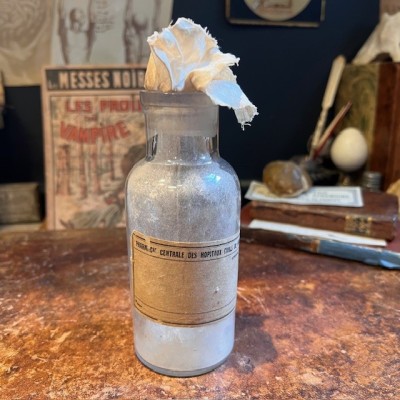
Central Pharmacy of the Civil Hospitals of Paris
Antique pharmacy bottle
Apothecary
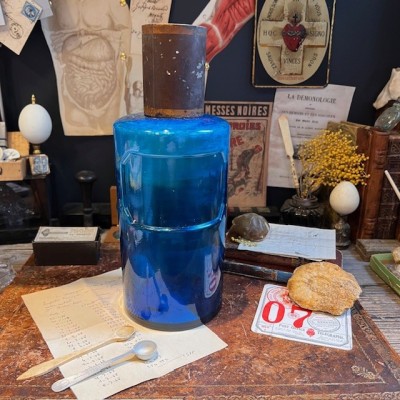
Very Large cobalt blue glass pharmacy bottle - Apothecary - Shouldered - H27.5cm - 19th century
Shouldered apothecary bottle - Antique pharmacy bottle
Mouth-blown glass - Cobalt blue color tinted throughout
This large-capacity jar was a storage jar intended for stockpiling
Antique pharmacy bottle
BIOLACTYL Ferment Fournier - Early 1900