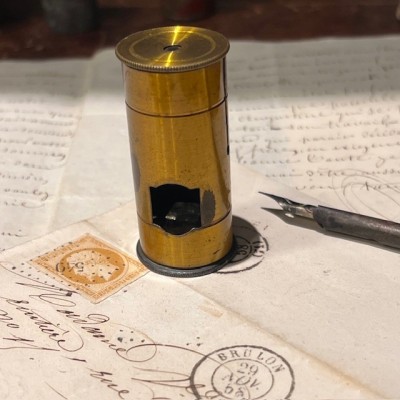

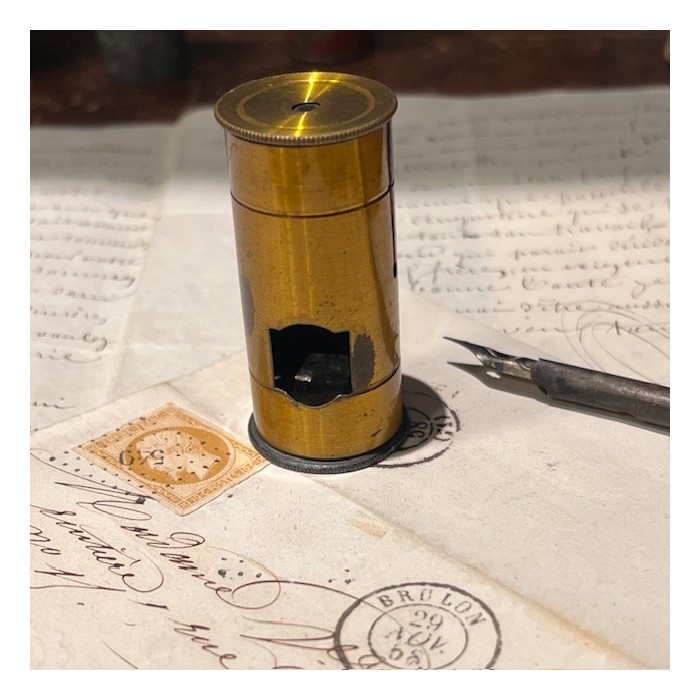
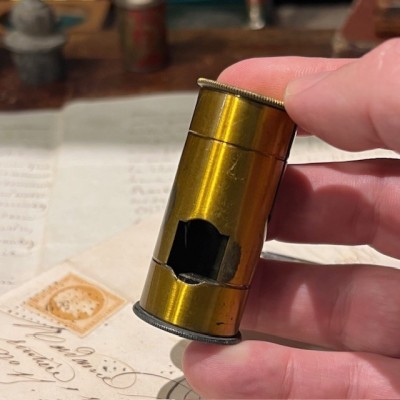
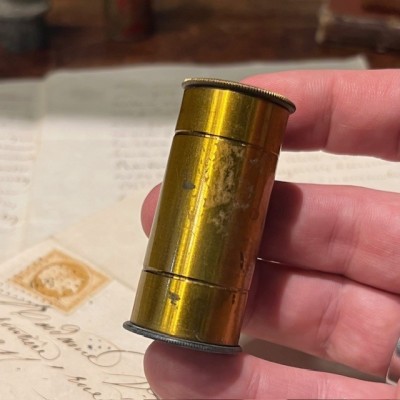
Floroscope
Botanist's microscope
Pocket microscope Late 19th - early 20th century
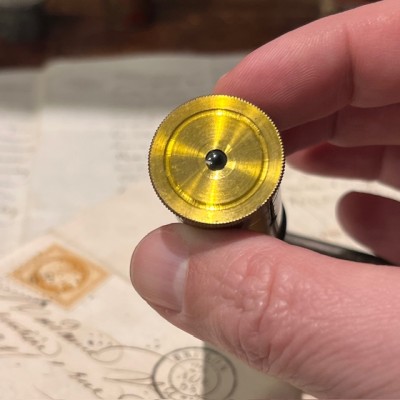
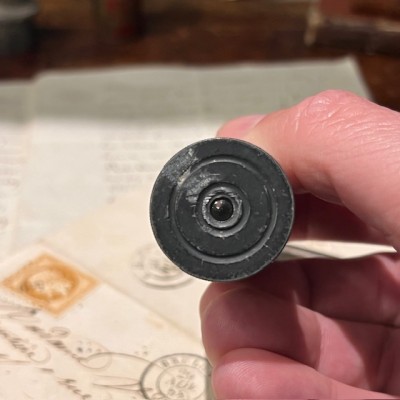
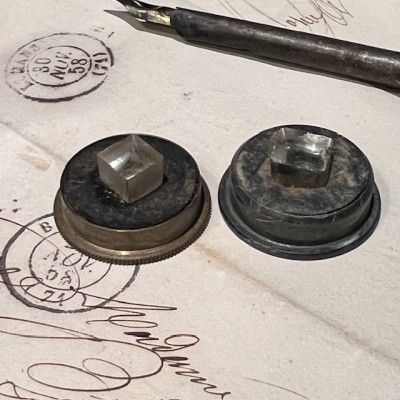
Warning: Here composed of 2 Stanhope lenses
Floroscope - Brass insectoscope - pocket microscope
These small microscopes, also known as Floroscopes or botanist's microscopes, were sold in France from the 1850s to the 1930s.
These small pocket microscopes, made of brass and glass lenses, enabled rapid observation of insects, small minerals, flowers etc. in nature.
Warning: These small microscopes usually consist of two different parts, but this is not the case here. The floroscope consists of two identical systems: two Stanhope lenses.
It is used for magnifications greater than ten times. The Stanhope lens is very rudimentary, consisting of a cube, prism or cone made of glass with a flat surface.
I suppose that the single lens with its original cage must have been lost and replaced by a second Stanhope lens...
Late 19th - early 20th century
Perfect for any self-respecting budding entomologist!
Height: 5.5cm Diameter: 2.5cm
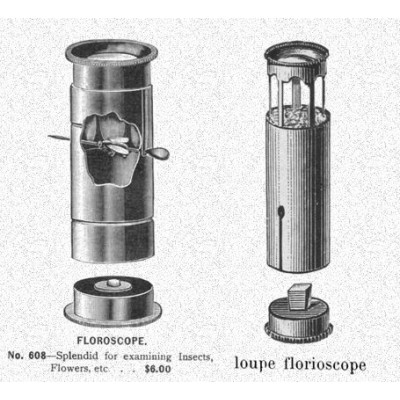
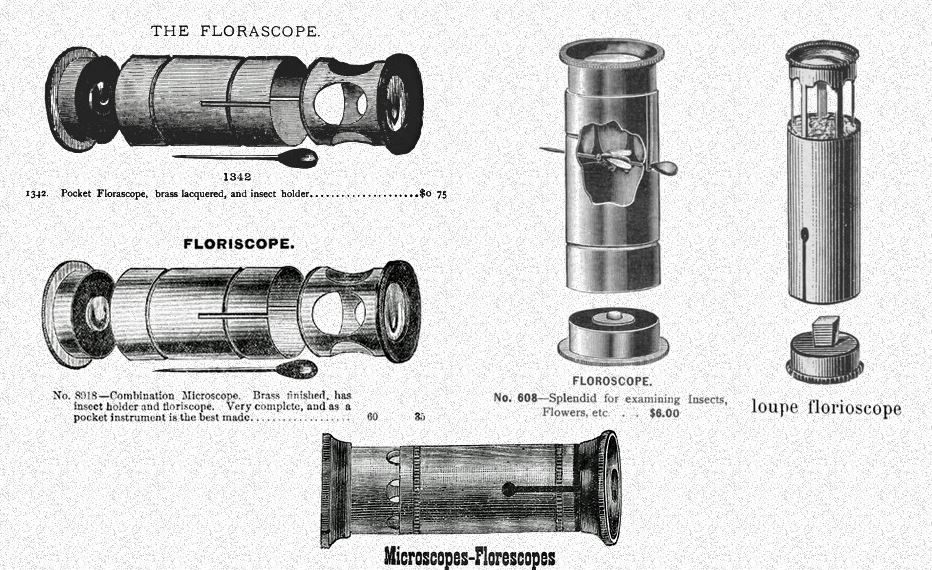
Here's an illustration of what this floroscope looked like in a period advertisement:
(Source: The Compendium - www.lecompendium.com)
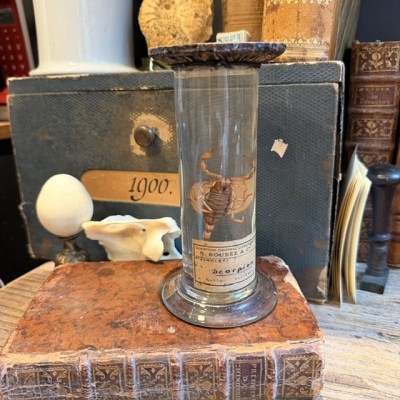
Specimen: Languedoc Scorpion - Buthus occitanus
Museum jar, also known as a Museum specimen tube.
Wet specimen
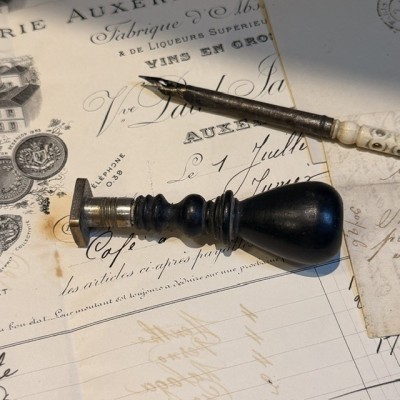
Wax Seal - Seal - Antique Stamp - PF
Frame with a turned, blackened wooden baluster-style handle featuring fluted detailing
Engraving: Initials PF
Estimated period: Late 19th – Early 20th century

Archimedes screw magnifier - Photographer's Achromatic focusingmagnifier
Photographer's magnifying glass from the late 19th century, early 20th century
When taking a photograph, the photographer would use this focusing magnifier against the frosted glass of his camera to assess the sharpness of the image formed.
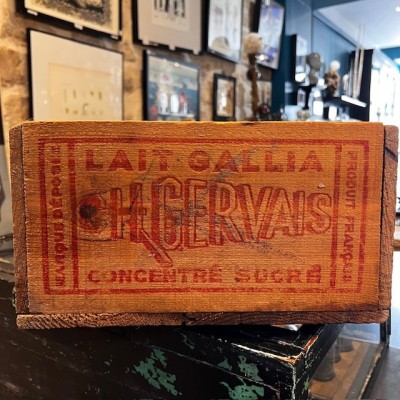
Antique wooden advertising crate for Gallia / Ch. Gervais infant milk concentrate
Found in Parisian cellars that served as laboratories and storage rooms for pharmacists preparing their masterful concoctions from 1900 to 1950.
It was used to store products, glass bottles, etc.
Period: Circa 1947–1955
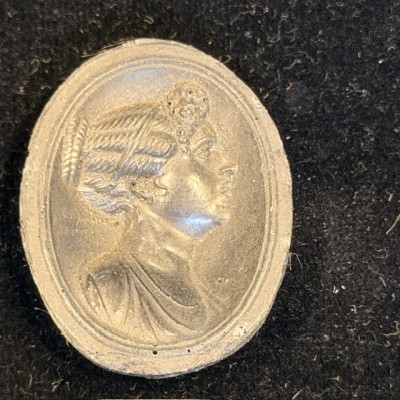
Antique intaglio and cameo print from the Grand Tour of the 19th century
In Gray Sulfur
True testimony of the Grand Tour carried out by the aristocrats in the 19th century
Profiles in the antique style, mythological scenes or Greco-Roman deities
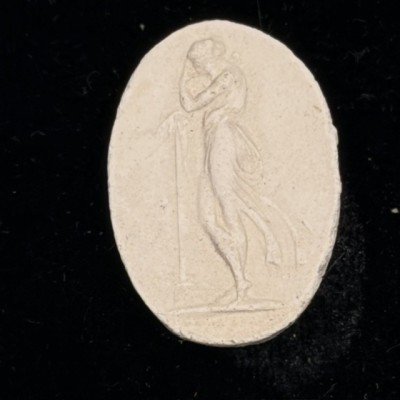
Antique intaglio and cameo print from the Grand Tour of the 19th century
White plaster
True testimony of the Grand Tour carried out by the aristocrats in the 19th century
Profiles in the antique style, mythological scenes or Greco-Roman deities
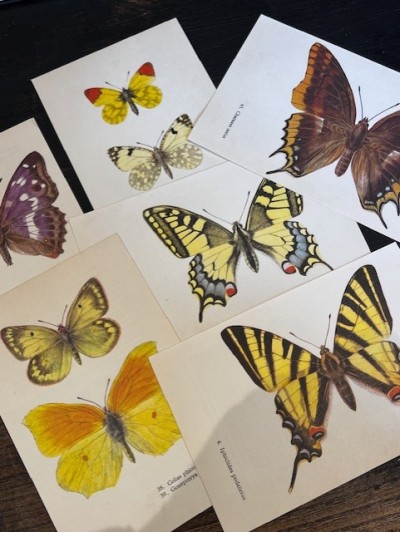
Butterfly - Natural History color plate
Entomology
You buy 1 plate, not the whole set
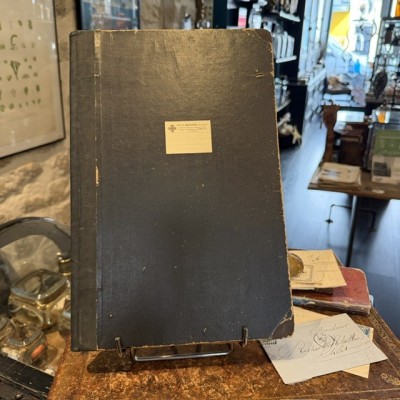
Notebook – Order book from the Berthier Pharmacy in Paris
Writing on the first four pages only; the rest is blank
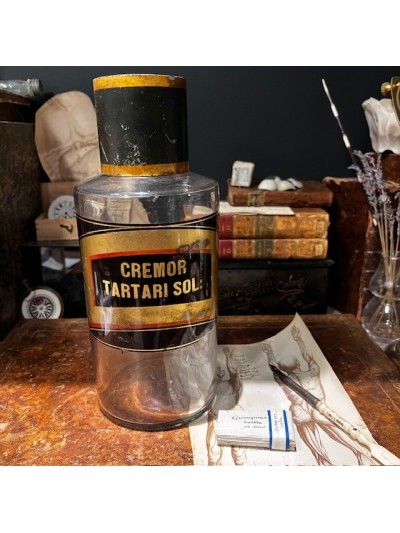
Cremor tartari sol - Cream of tartar
Potassium bitartrate
Pharmacy jar - Herbalism - Apothecary bottle
Late 19th century
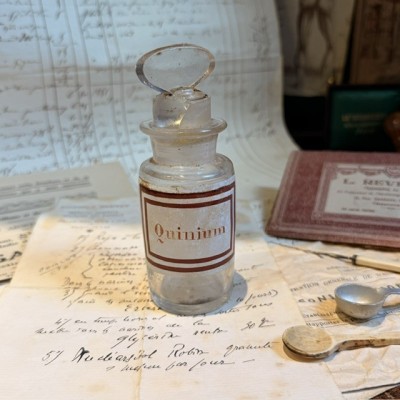
Quinium
Antique pharmacy blown-glass bottle - XIXth century
EMPTY - Blocked cap
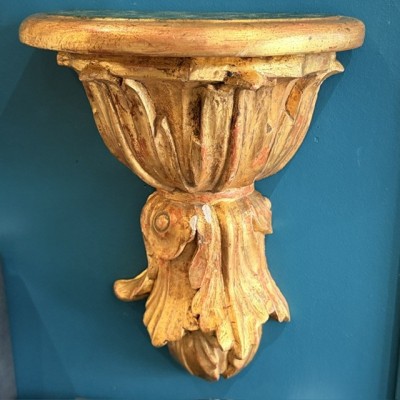
Cul-de-lampe Wall Bracket Console - Stuccoed and Gilded Wood - Italy (Tuscany), 19th Century
Early 19th-century wall console
Gilded wood and stucco with painted faux antique green marble
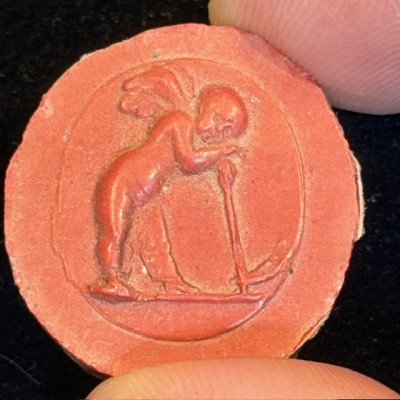
Antique intaglio and cameo print from the Grand Tour of the 19th century
In Red Sulfur
True testimony of the Grand Tour carried out by the aristocrats in the 19th century
Profiles in the antique style, mythological scenes or Greco-Roman deities
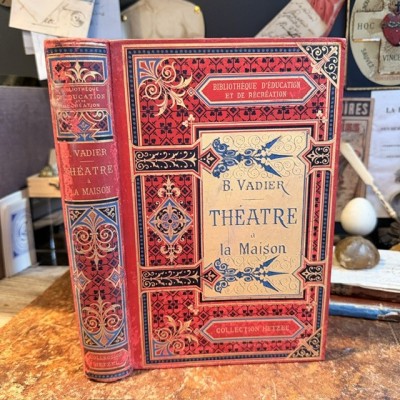
Théâtre à la maison (Theatre at home) by B. Vadier
Circa 1880
Splendid publisher’s binding with cardboard plates from the Hetzel Collection
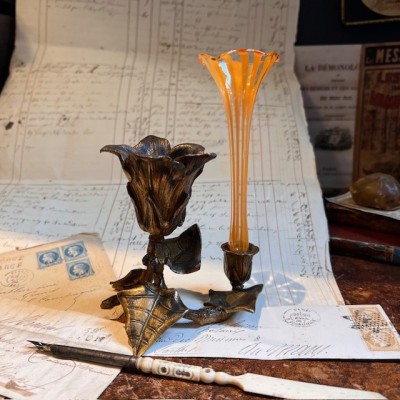
Elegant Art Nouveau glass vase and bronze candlestick
Made of cast bronze with a patina finish, decorated with naturalistic plant motifs and hand-finished with a file.
Art Nouveau decorative object combining patinated bronze and orange glass in a fluid, asymmetrical plant motif characteristic of the late 19th century.
Circa 1895–1905
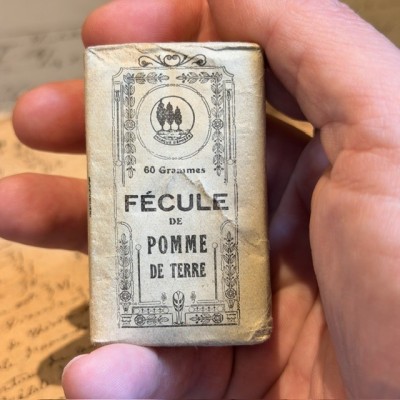
Packet of Potato Starch
Circa 1920
New old stock
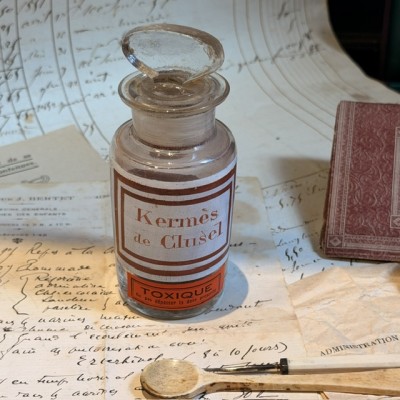
Kermes de Clusel - Antimony Sulfide
Antique pharmacy bottle made of blown glass and enameled painted label.
Red TOXIC label
Signaling to the pharmacist that it is imperative to keep apart the other substances in the cabinet of toxic substances, the famous poison cabinet.
Dating: 19th century
EMPTY
Floroscope
Botanist's microscope
Pocket microscope Late 19th - early 20th century
Warning: Here composed of 2 Stanhope lenses