

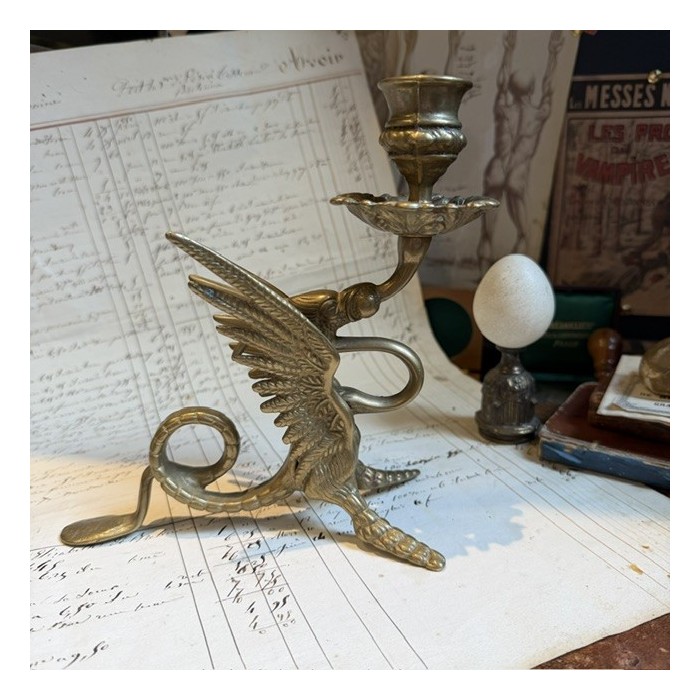
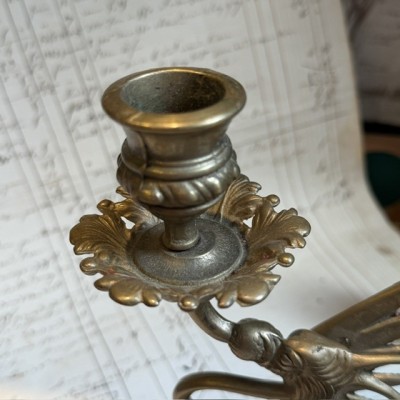
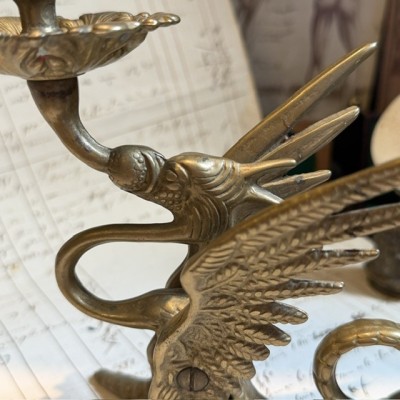
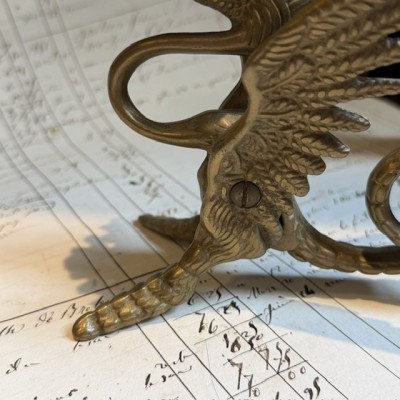
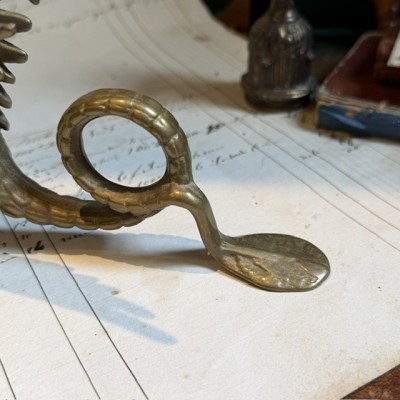
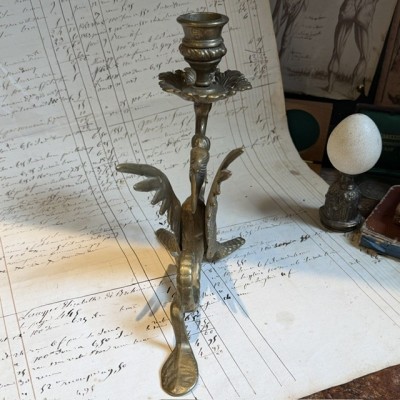
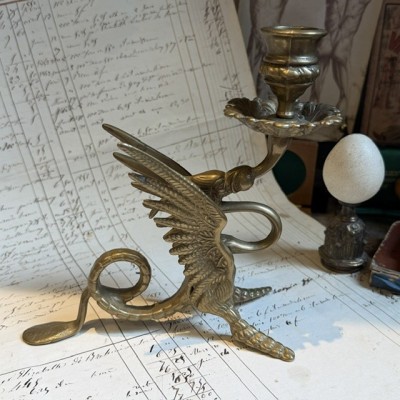
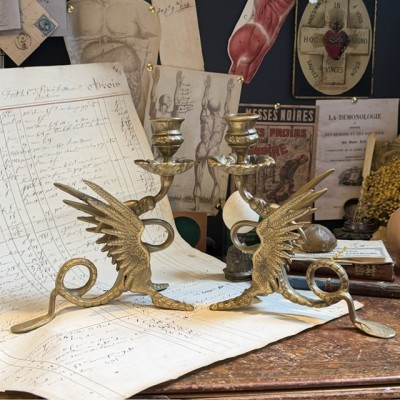
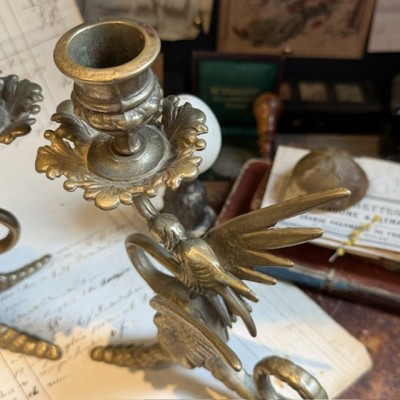
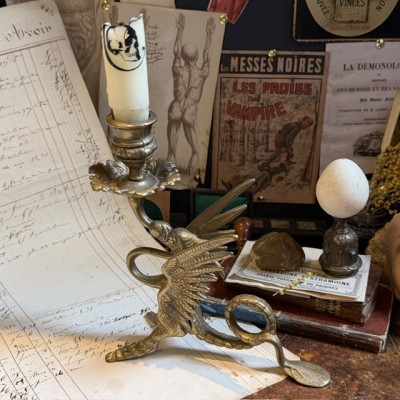
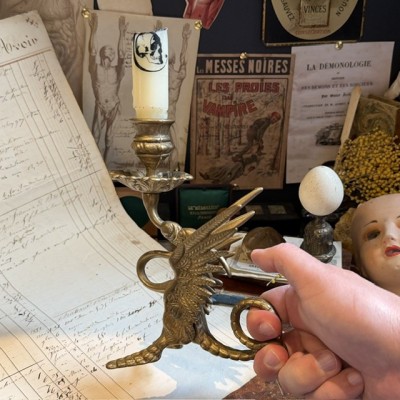
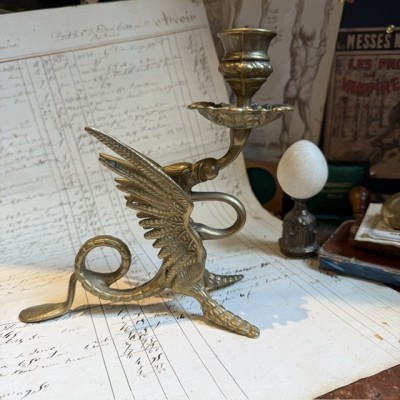
Brass Chimera or Dragon Candleholder
Period: Mid-20th century, inspired by Renaissance decorative motifs.
Sold without a candle and individually
Brass Chimera or Dragon Candleholder
20th century
A candlestick used for lighting while on the move, as opposed to candelabras and other candle-lit fixtures that remain on a piece of furniture.
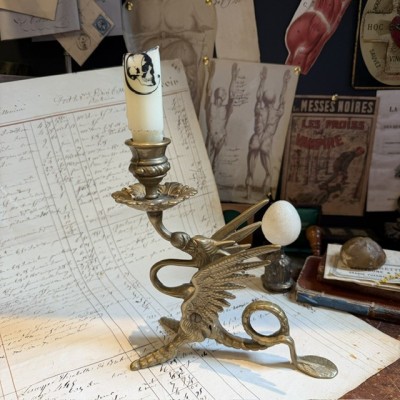
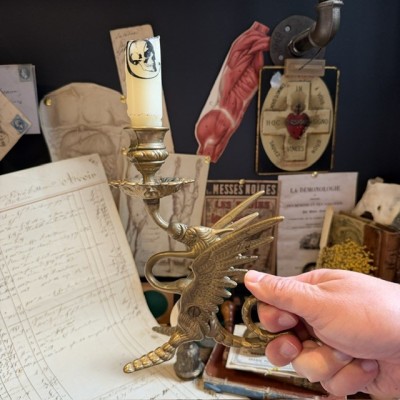
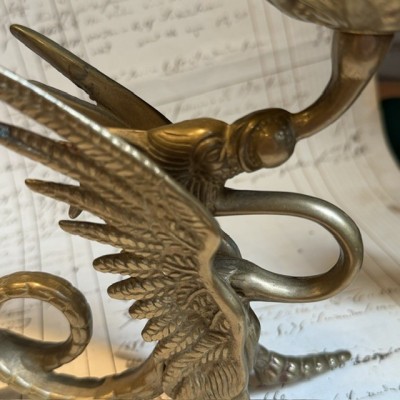
Figurative solid brass candlestick depicting a chimera or winged dragon. The serpentine body extends to form a tripod base, ensuring perfect stability.
Period: Mid-20th century, inspired by Renaissance decorative motifs.
Height: 20 cm - Length: approx. 18 cm
Sold without a candle and individually
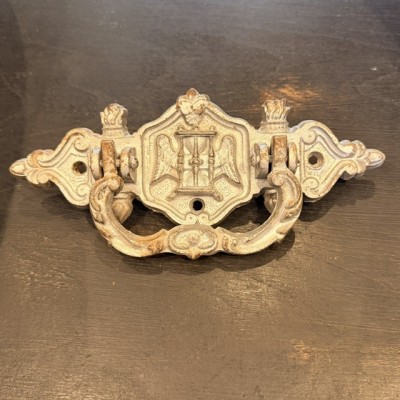
Coffin handle - Winged hourglass
around 1900
You buy only 1 handle
Traces of oxidation on the handles, more or less important
Brand new from the period, it has never been used.
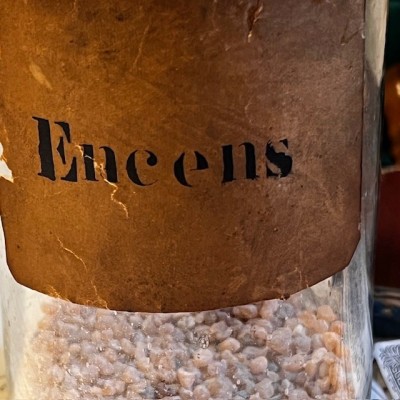
Incense
Antique pharmacy bottle - Wide-mouth apothecary jar.
19th-century mouth-blown glass
There are still some product inside.
A fascinating artifact from the history of pharmacology
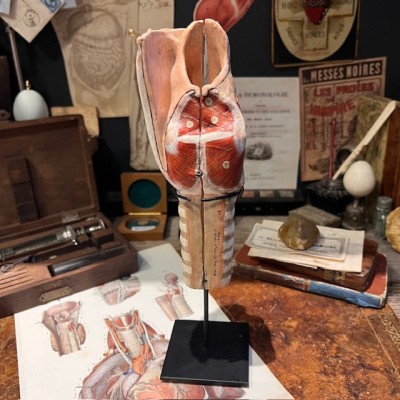
Antique anatomical model of the larynx and trachea made of painted papier-mâché.
Produced by Établissements Auzoux and manually dated 1938.
Model can be dismantled lengthwise, numbered, used for medical teaching.
Please note: one removable side piece is missing. The model remains stable and highly decorative. Authentic piece.
Handwritten inscription from the period: Larynx - Auzoux à St-Aubin-d’Écrosville Eure 1938
Placed in a metal base, it can be easily removed to hold it in your hand.
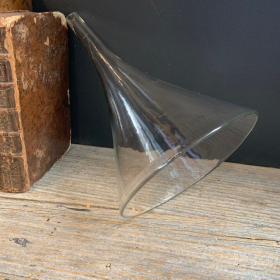
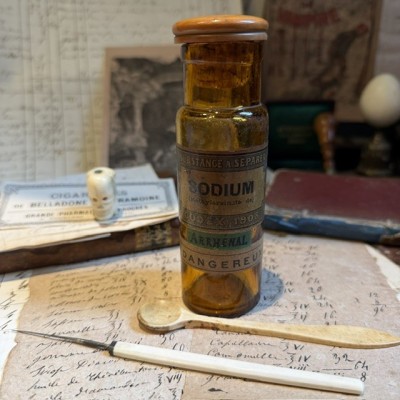
Arrhénal - Sodium methylarsinate - Arsenic
Antique amber glass bottle, with a boxwood and cork stopper.
Green label: SUBSTANCE TO BE STORED SEPARATELY – CODEX 1908
Indicating to the pharmacist that it must be stored separately from other substances in the cabinet for toxic substances, the famous ‘poison cabinet’.
It comes from the former cellar-laboratory of a Parisian pharmacy. The bottles had not been moved from the shelves since the late 1950s. The cellar had served as a medical analysis laboratory and a laboratory for the pharmacy’s compounded preparations from 1900 until around 1950.
EMPTY
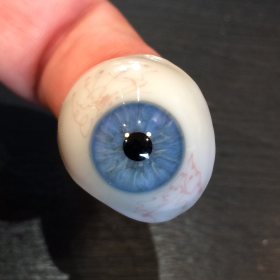
Antique glass eye
Real antique eye prosthesis
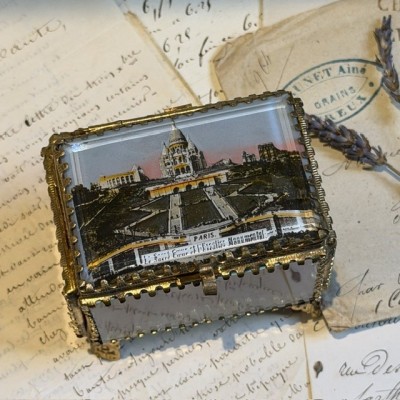
Souvenir of Montmartre 1900 – Sacré-Cœur
Glass and brass reliquary box
Jewellery box
A chance find at a flea market allowed us to bring this jewellery box back from Ardèche (south of France), more than a century later, it returns to where it all began.

Human jaws in porcelain mounted on a blackened wooden base
Anatomical dental model for dentists
19th century
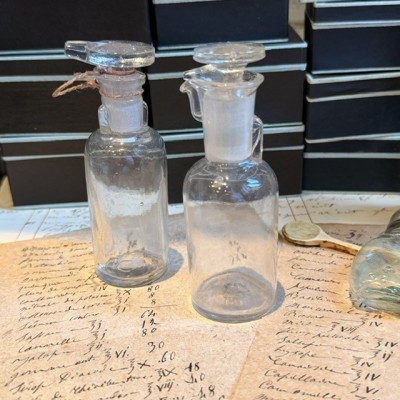
Dropper Bottle
Antique pharmacy bottle - 1920-30's
EMPTY
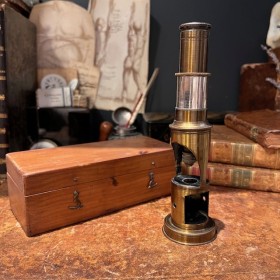
Antique drum microscope for botanist, entomologist
Mirror missing
Late 19th century, early 20th century
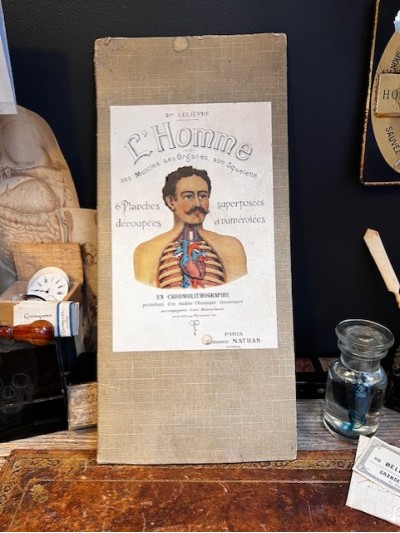
Man - Anatomical chart that can be disassembled
By Fernand Nathan Editeur publisher
Coloured chart with movable, cut-out and superimposed leaves
There are defects on the superimposed boards; the outer board, which was the man's torso, is missing, as are the lungs, which were above the heart. The left hand is missing, the arm being torn.
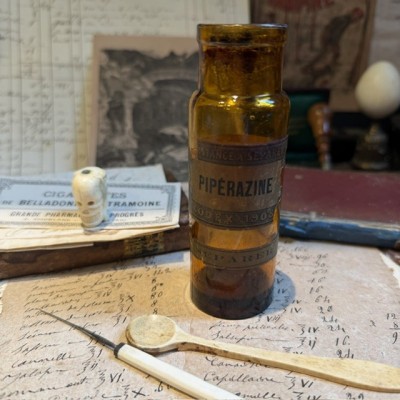
Piperazine
Antique amber glass bottle. The cap is missing
Green label: SUBSTANCE TO BE STORED SEPARATELY – CODEX 1908
Indicating to the pharmacist that it must be stored separately from other substances in the cabinet for toxic substances, the famous ‘poison cabinet’.
It comes from the former cellar-laboratory of a Parisian pharmacy. The bottles had not been moved from the shelves since the late 1950s. The cellar had served as a medical analysis laboratory and a laboratory for the pharmacy’s compounded preparations from 1900 until around 1950.
EMPTY
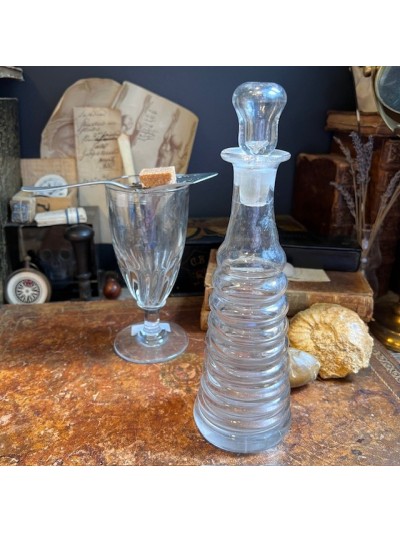
An antique absinthe topette (decanter)
10 Beaded Topette
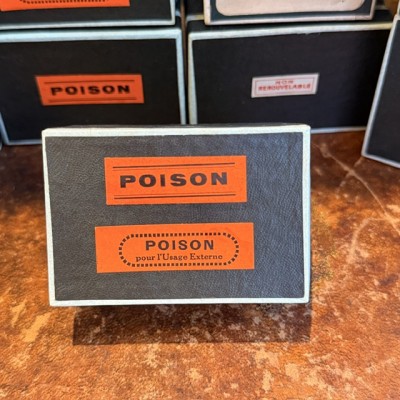
Antique labels in a pharmacy box for cures made of canvas cardboard
Poison label - Ref A
The pharmacist used his boxes of medicine to put away the labels he would then put on the bottles that he would resell to his customers.
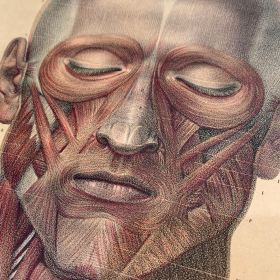
Anatomical plate: "L'Anatomie de L'Homme" by Dr Bourgery and draughtsman Jacob -1837/1843
Brass Chimera or Dragon Candleholder
Period: Mid-20th century, inspired by Renaissance decorative motifs.
Sold without a candle and individually