
- New
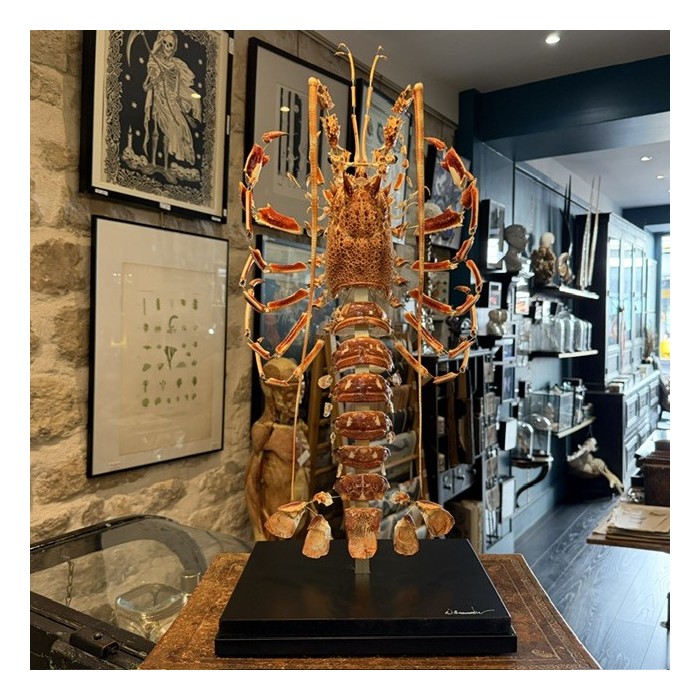
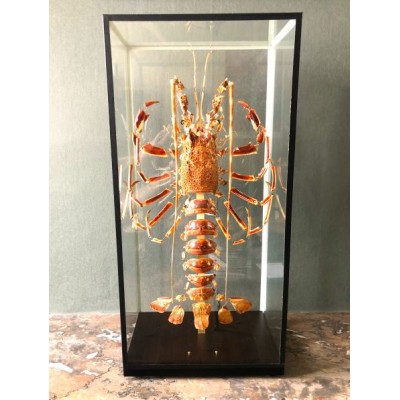
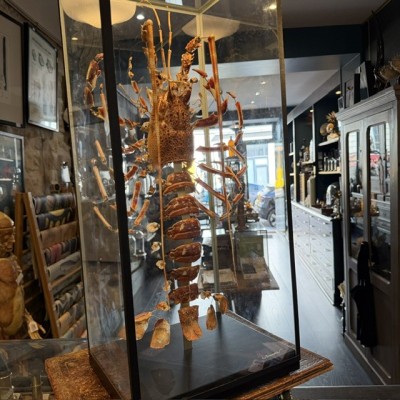
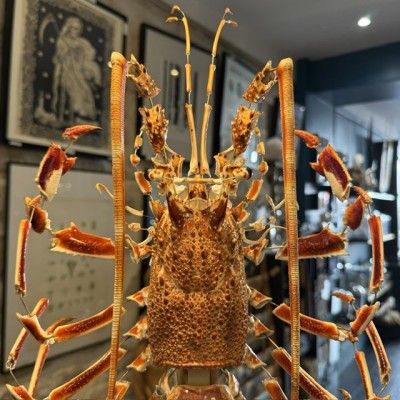
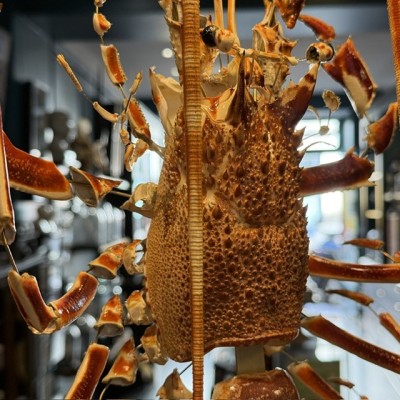
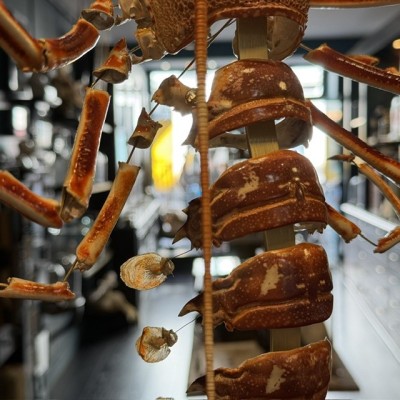
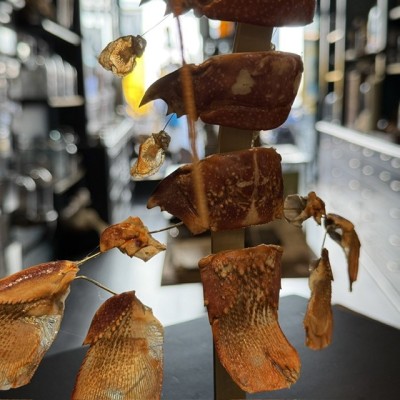
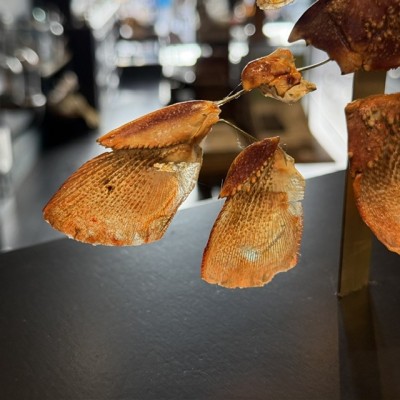
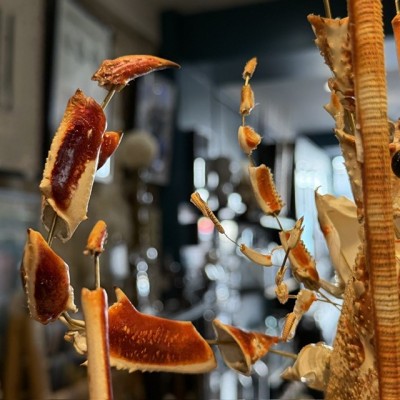
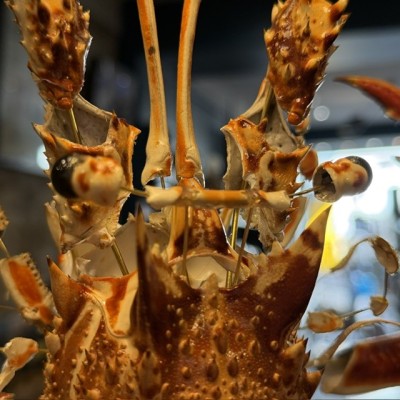
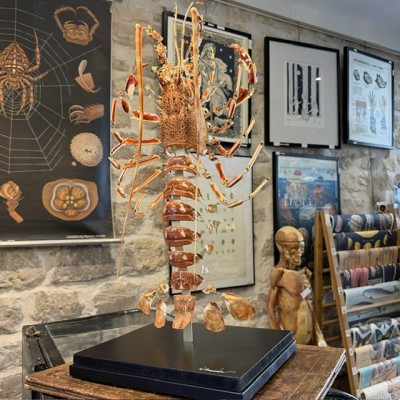
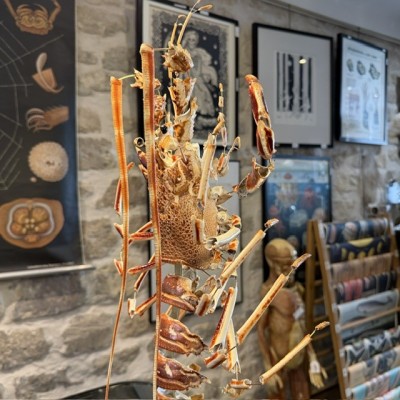
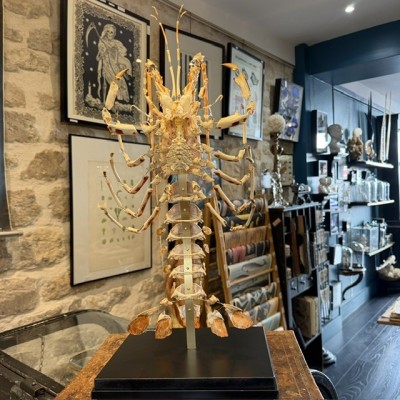
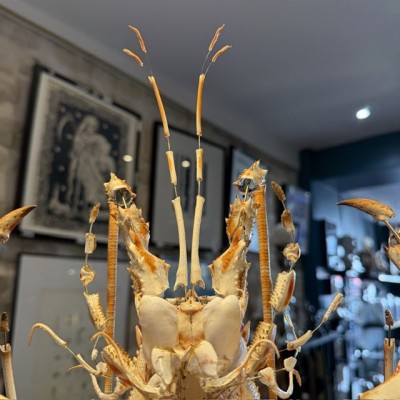
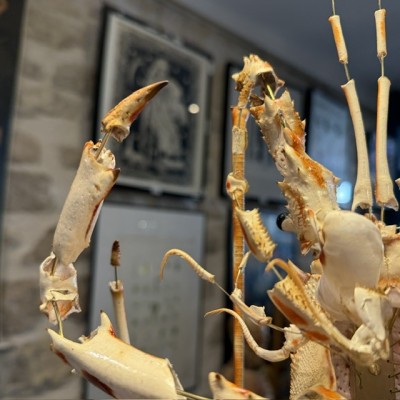
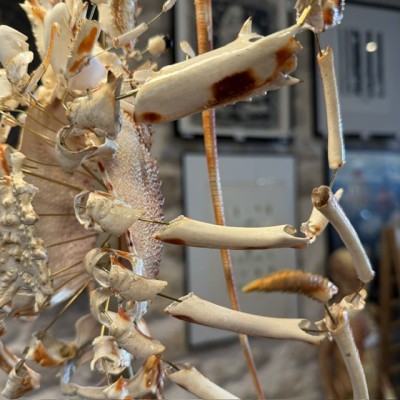
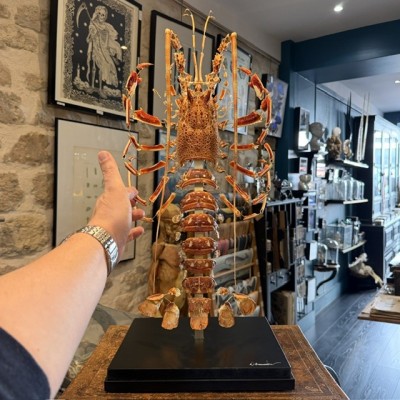
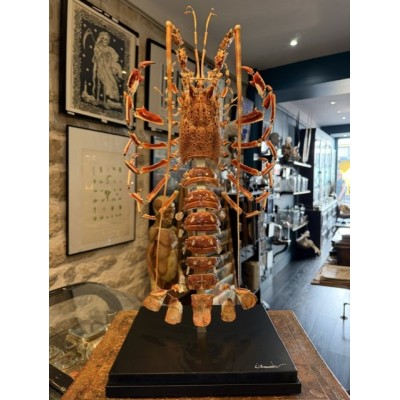
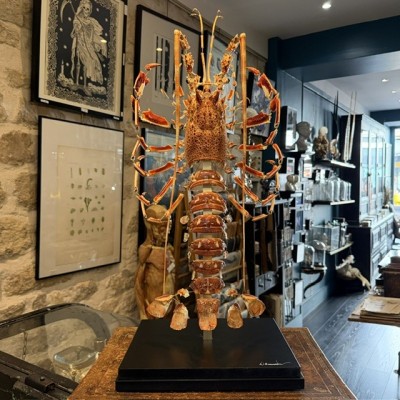
Royal spiny lobster - Beauchêne explosion style under glass
Panulirus regius
By Will Never Die
Origin: Atlantic Ocean - Brittany
Beauchêne explosion style under glass
Species: Royal spiny lobster Panulirus regius
Very fine work by the artist Will Never Die
Origin: Atlantic Ocean - Brittany
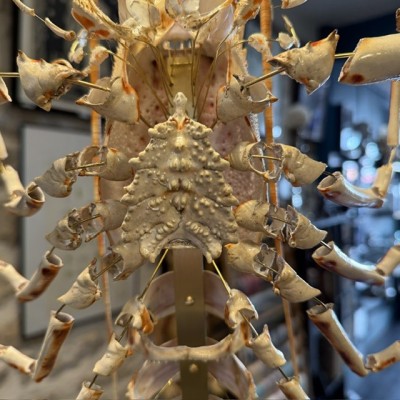
Each part of the lobster has been disassembled and then mounted on fine brass rods to be reconstituted as an exploded piece, a long and precise job.
Edmé François Chauvot de Beauchêne is the inventor of the disarticulated or exploded human skull used for medical teaching, known as the Beauchêne exploded skull: Eclaté à la Beauchêne.
This technique, with brass wire joints, is used here, but applied to natural specimens.
Superb piece
Available in shop only
Dimensions of the display case: 27x23cm Height: 64.5cm
The display case can be lifted and removed for cleaning, it is not sealed
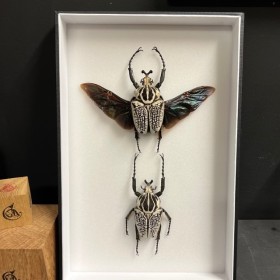
Entomological box: Beetles Goliathus meleagris from Congo
One with spread wings
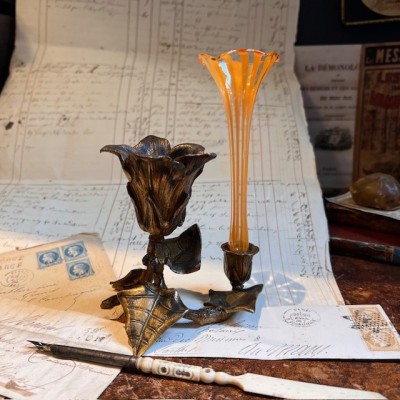
Elegant Art Nouveau glass vase and bronze candlestick
Made of cast bronze with a patina finish, decorated with naturalistic plant motifs and hand-finished with a file.
Art Nouveau decorative object combining patinated bronze and orange glass in a fluid, asymmetrical plant motif characteristic of the late 19th century.
Circa 1895–1905
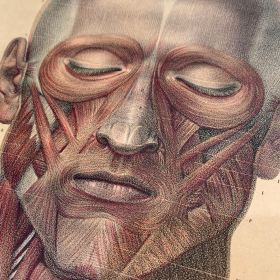
Anatomical plate: "L'Anatomie de L'Homme" by Dr Bourgery and draughtsman Jacob -1837/1843
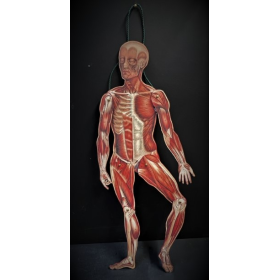
Anatomical articulated skinning
Paper-cardboard articulated mannequin
Human skeleton
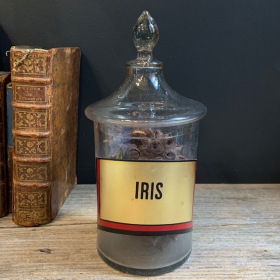
19th century Herbalist's or Pharmacy crystal jar
Iris
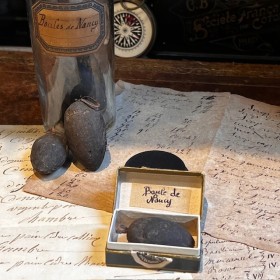
Boule de Nancy - Genuine Mars Vulnerary Ball - Steel Ball
This iron-containing ball was once considered a miracle cure for many ailments and injuries.
The Boule de Nancy is sold individually in a small antique drugstore box
Unavailable today
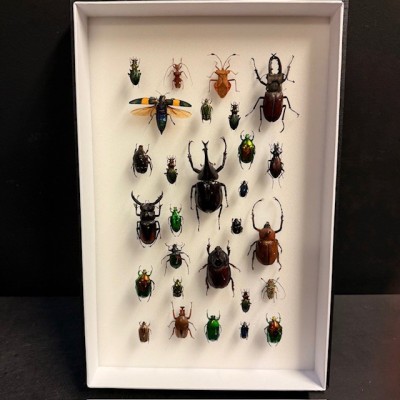
Entomological composition of beetles
28 specimens make up this picture
Black entomological box: 26x39cm
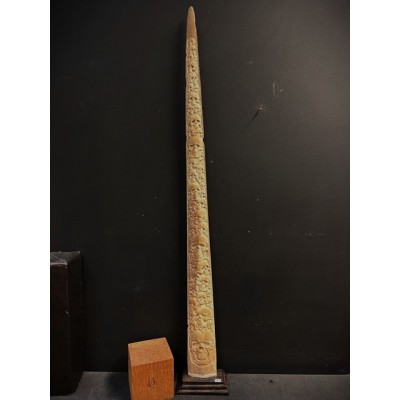
Carved swordfish rostrum: Unique piece
Skulls motifs
Indonesian craftsmanship
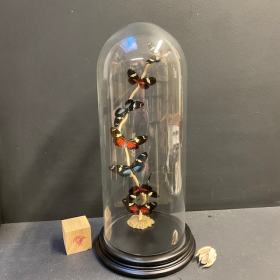
Flight of butterflies: Heliconius family under glass dome
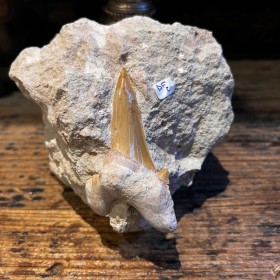
Shark tooth fossil
Otodus Obliquus dating from the Ypresian: 50 million years ago
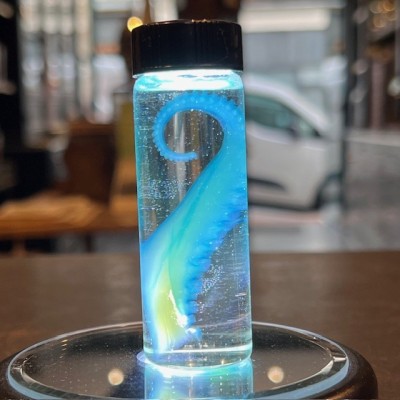
Octopus Tentacle Diaphanisation - Octopus vulgaris
Biological preparation
The purpose of diaphanisation is to make fabrics transparent. The fabrics are made transparent using a chemical process, and specific dyes are used.
The flesh is made transparent and the dyes attach themselves to the skin
All tentacles are different: illustrative photos

Australian saltwater crocodile skull: Crocodylus porosus
Estuary crocodile
With its CITES permit
30cm
Can only be sold in the European Union- Shengen Area
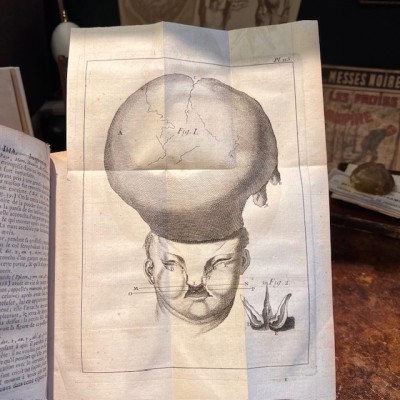
Bibliothèque Choisie de Médecine - Volume 16
Selected Library of Medicine
By François PLANQUE - 1761
Complete original edition with 10 fold-out plates
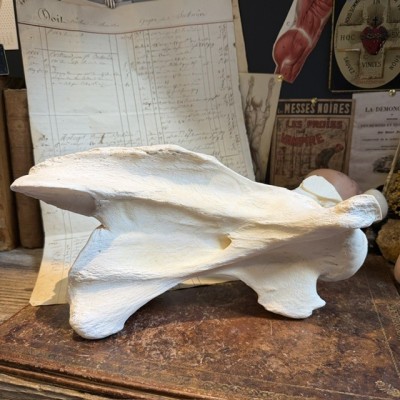
Vertebra of Giraffe
Giraffa camelopardalis
With its CITES license
Not for sale outside the European Union
You are buying 1 vertebra
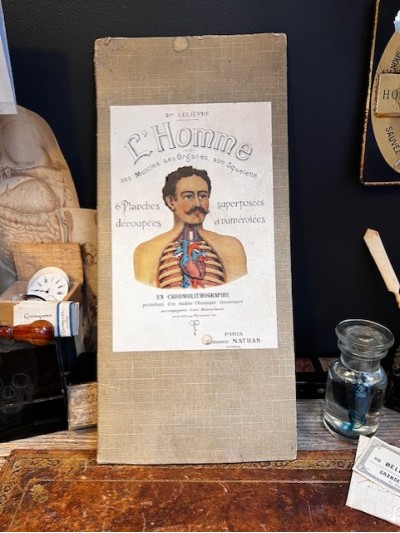
Man - Anatomical chart that can be disassembled
By Fernand Nathan Editeur publisher
Coloured chart with movable, cut-out and superimposed leaves
There are defects on the superimposed boards; the outer board, which was the man's torso, is missing, as are the lungs, which were above the heart. The left hand is missing, the arm being torn.
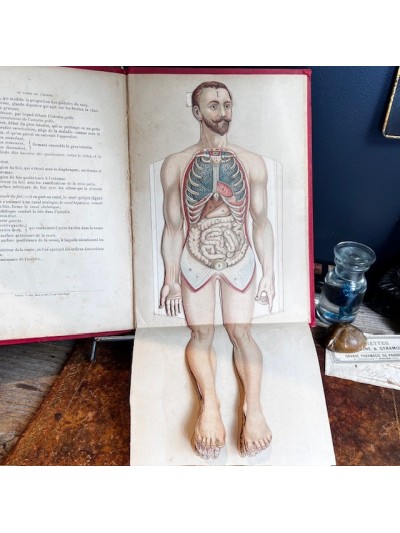
Le corps de l'Homme
Anatomical colour plates with cut-out superimposed leaves
By Edmond Perrier - Schleicher Frères & Cie Editeurs
No date, circa 1900
Royal spiny lobster - Beauchêne explosion style under glass
Panulirus regius
By Will Never Die
Origin: Atlantic Ocean - Brittany