
- New
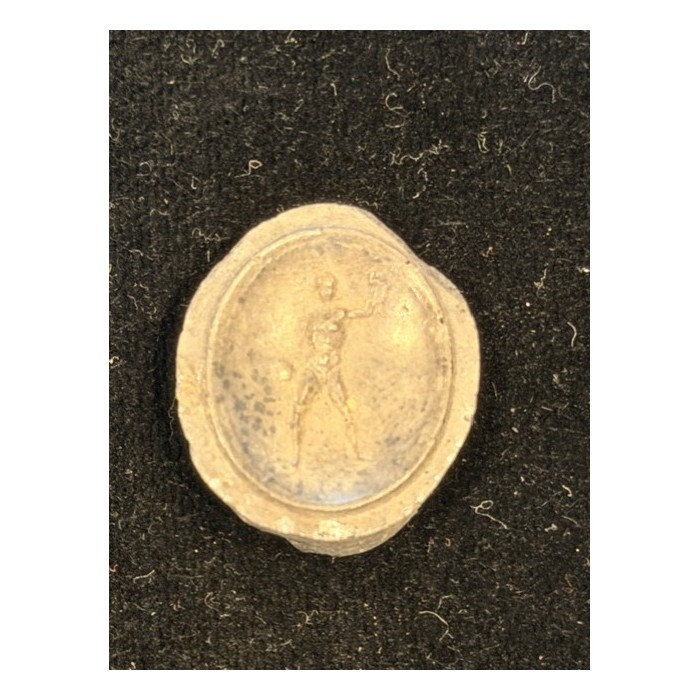
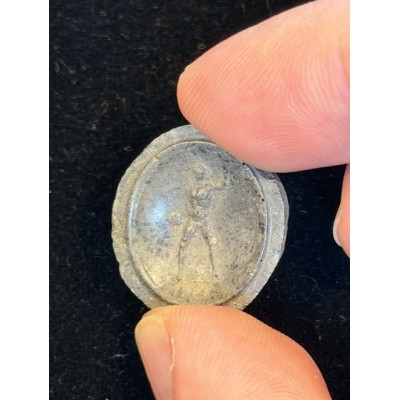
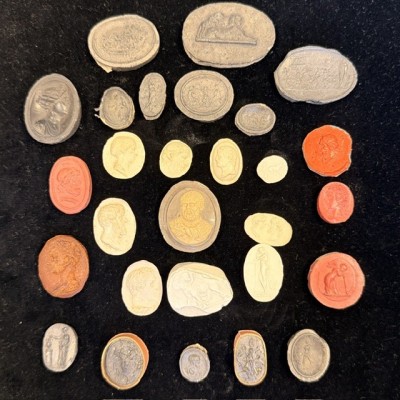
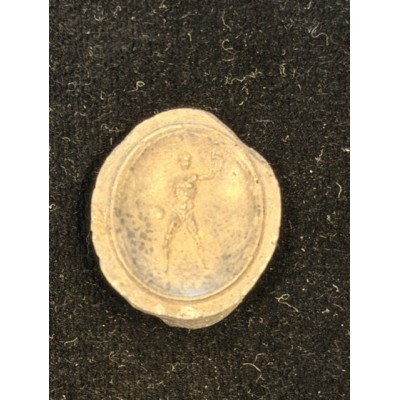
Antique intaglio and cameo print from the Grand Tour of the 19th century
In Gray Sulfur
True testimony of the Grand Tour carried out by the aristocrats in the 19th century
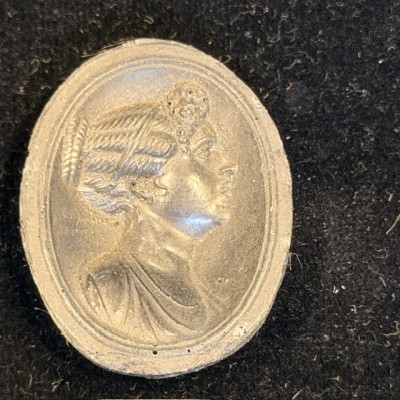
Profiles in the antique style, mythological scenes or Greco-Roman deities
Antique intaglio and cameo print from the Grand Tour of the 19th century
In Gray Sulfur
A true testimony of the Grand Tour, this journey of aristocratic education undertaken by the enlightened European youth from the 18th century and the beginnig of the 19th century (travel which also gave rise to the word "tourist").
During their stay in Italy, these wealthy travelers acquired, according to their means, pieces of art and antiques or reproductions such as here these prints, medals and cameos in the antique style being very popular.
These prints were part of dactyliothèques: collections of prints that reproduce the most beautiful engraved gems of antiquity.
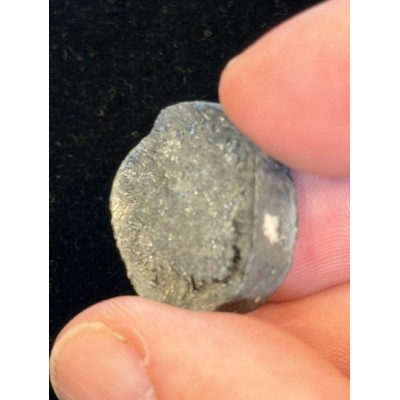
This print is made in graphite-tinted liquid sulfur (lead powder / black smoke). Sulfur was the material of choice for molders in Italy because, melting at low temperature, it infiltrated into the smallest details of the engraved ancient stone, freezing the sculpture with precision.
Intaglio or Cameo:
The Intaglio is an engraved fine stone. When plaster is poured inside, the material fills the cavity: the resulting print therefore emerges in relief. This is the case of these prints, which allow you to admire the original design of the gem.
The Cameo: A gem sculpted in relief. An impression taken from a cameo will, on the contrary, give a debossed print.
The prints were often lined with a thin strip of two-tone paper enhanced by a golden border on the edge. This banding was intended to protect by holding the edge of the plaster to prevent chipping.
The prints presented here no longer have this banding.
Subject: Profiles in the antique style, mythological scenes or Greco-Roman deities.
When handled, its composition retains a slight sulphur olfactory signature from the era.
The prices range from 15€ to 35€
The fingerprints are all in very different sizes, from 1.5cm to 4.4cm
A:2.2cm B:2.2cm C:1.5cm D:2.2cm E:2cm F:1.7cm G:2.8cm H:2cm I:1.8 J:3.2cm K:3.2cm L:4.4cm M: 3.7cm
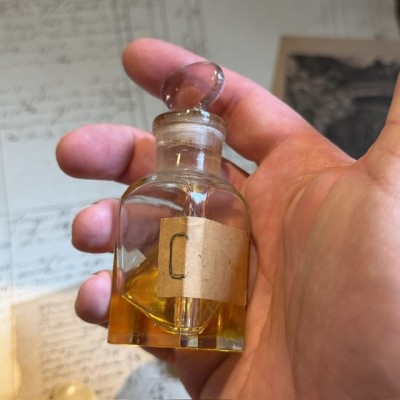
Cèdre - Cedarwood Oil
Antique pharmacy bottle
There is some product left, but the stopper is stuck
The writing has faded, but in oblique light one can make out CEDRE
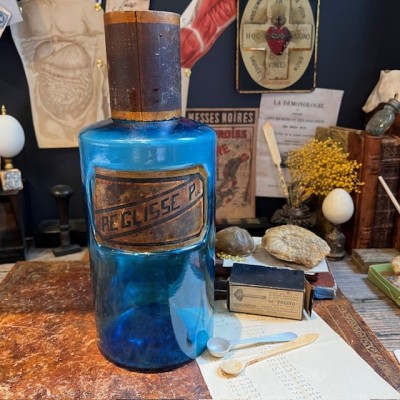
Poudre de réglisse - Licorice powder
Large cobalt blue glass pharmacy bottle - Apothecary - Shouldered - H28cm - 19th century
Shouldered apothecary bottle - Antique pharmacy bottle
Mouth-blown glass - Cobalt blue color tinted throughout
This large-capacity jar was a storage jar intended for stockpiling
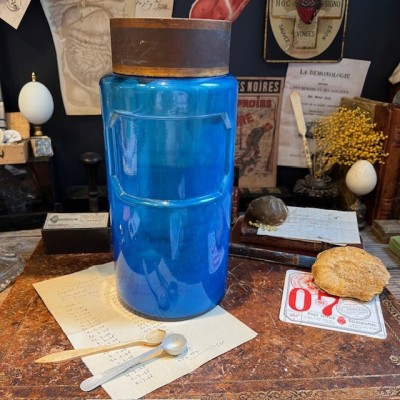
Cobalt blue glass pharmacy jar - Apothecary - Wide neck - H26cm - 19th
Apothecary jar with wide opening. Antique pharmacy bottle
Mouth-blown glass - Cobalt blue color tinted throughout
This large-capacity jar was a storage jar intended for stockpiling
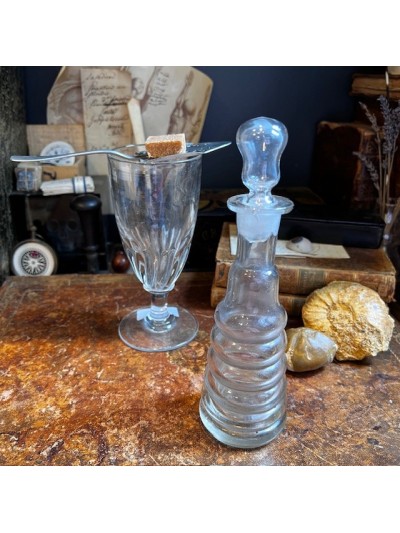
An antique absinthe topette (decanter)
6 Beaded Topette
Residue in the bottom of the carafe

Collodion
Used as a liquid dressing
Antique pharmacy bottle
EMPTY
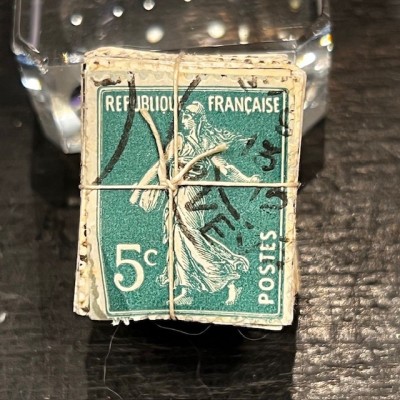
Bundle of 100 stamps tied with string
Green 5 centimes stamp of the Semeuse type
Issued from 1903 to the end of the 1930s
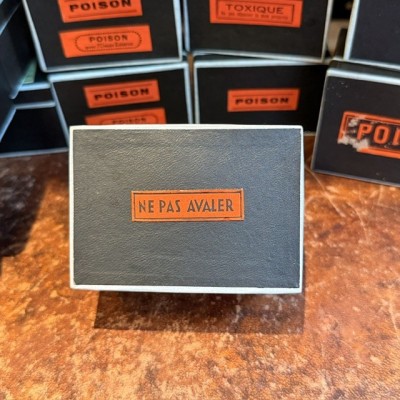
Antique labels in a pharmacy box for cures made of canvas cardboard
Do not swallow label
The pharmacist used his boxes of medicine to put away the labels he would then put on the bottles that he would resell to his customers.
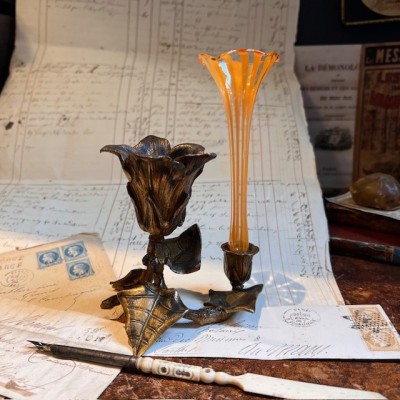
Elegant Art Nouveau glass vase and bronze candlestick
Made of cast bronze with a patina finish, decorated with naturalistic plant motifs and hand-finished with a file.
Art Nouveau decorative object combining patinated bronze and orange glass in a fluid, asymmetrical plant motif characteristic of the late 19th century.
Circa 1895–1905
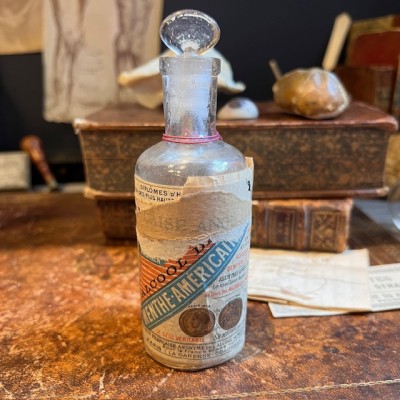
American mint alcohol
Antique pharmacy bottle
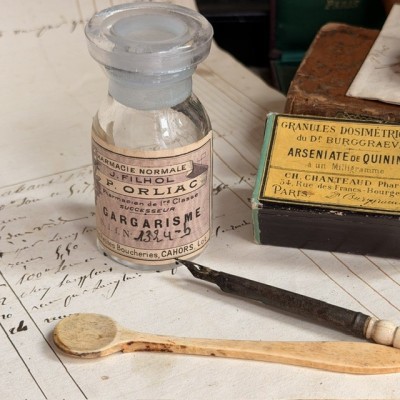
Gargle
Antique pharmacy bottle
EMPTY
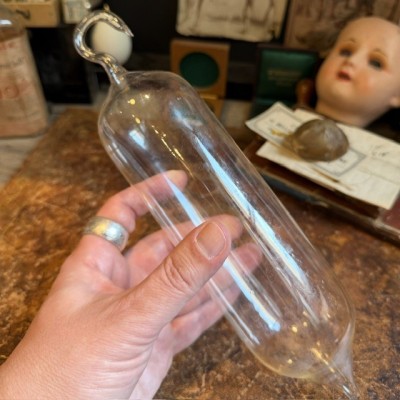
Antique sodium chloride infusion bulb
500cm3
in its original box - Still full
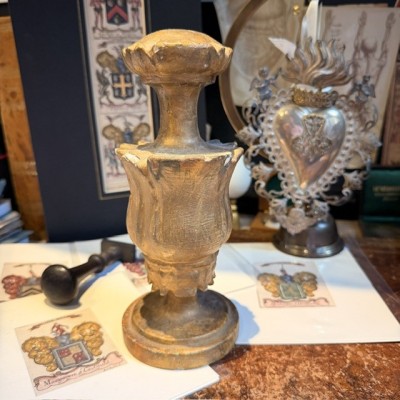
Stem - Baroque base in turned wood and gilded stucco - Italy (Tuscany), 19th century
Italian Giltwood Altar Floral Stand
Antique religious altar bouquet stem made of turned and carved wood, covered with a stucco undercoating (gesso) and gilded.
Lack of gesso and gilding in some places, which is precisely why the white gesso appears under the gilding.
Traces of use and visible gaps in stucco

Solution N°153
Antique pharmacy bottle
Apothecary vial
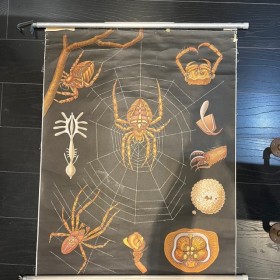
School canvas poster
Spider
Hagemann educational material publishing house in Düsseldorf
Printed in 1977
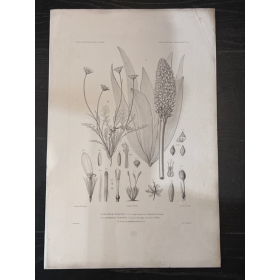
Voyage to the South Pole and Oceania on the corvettes the Astrolabe and the Zélée, executed by order of the king during the years 1837-1838-1839-1840 under the command of M. Dumont-d'Urville captain of vessel
Botanical plate
Published in 1846
Atlas of Natural History - Botany
Phanerogamy
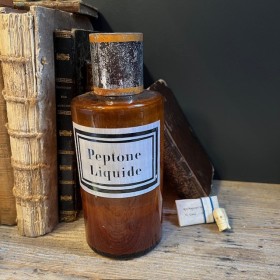
Antique pharmacy jar
Liquid Peptone
Raw meat product very fashionable in the first half of the 20th century.
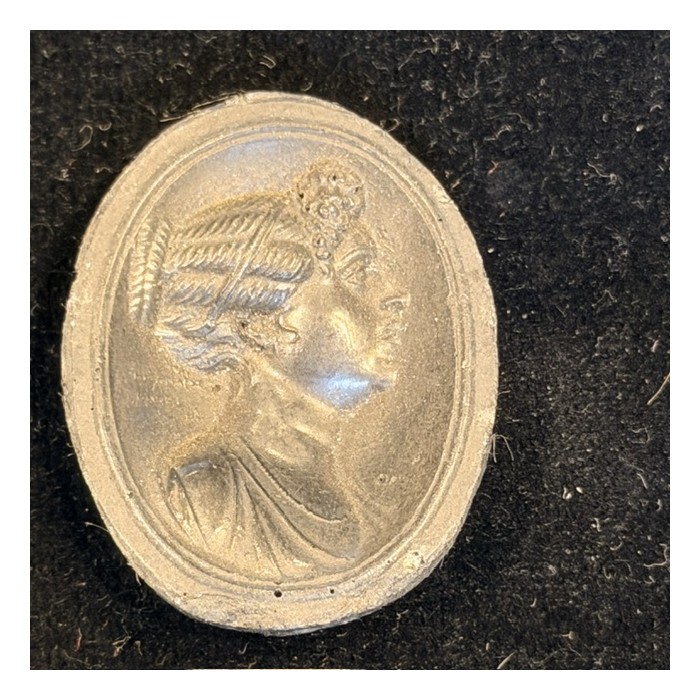
Antique intaglio and cameo print from the Grand Tour of the 19th century
In Gray Sulfur
True testimony of the Grand Tour carried out by the aristocrats in the 19th century
Profiles in the antique style, mythological scenes or Greco-Roman deities