
- New
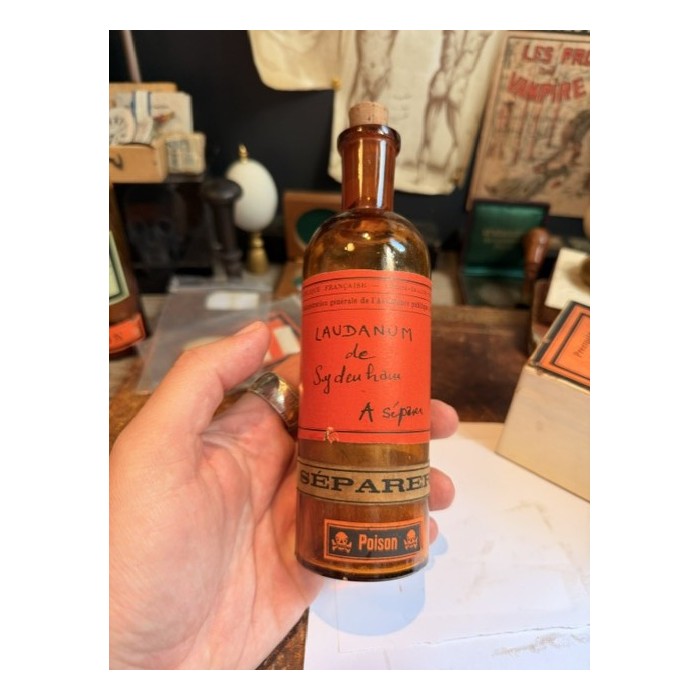
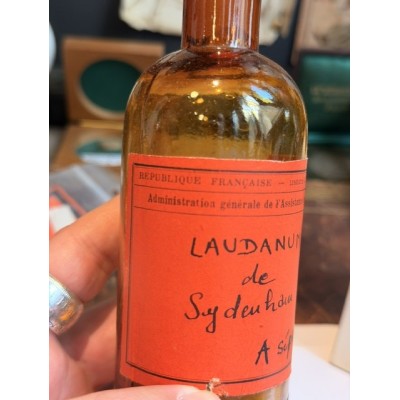
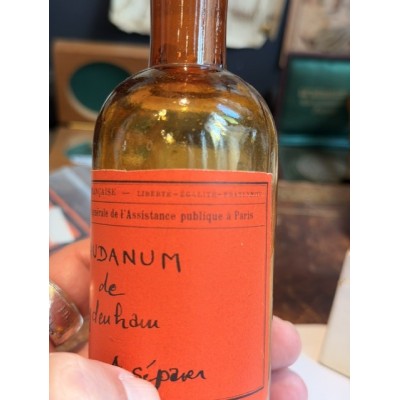
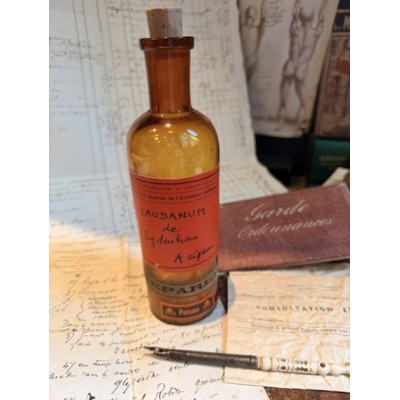
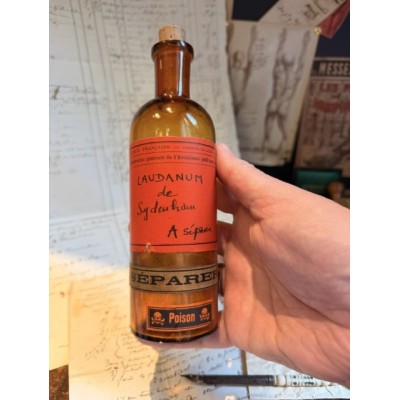
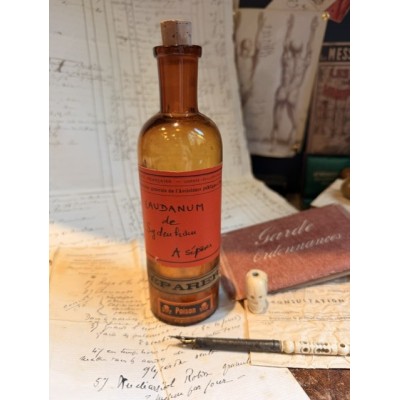
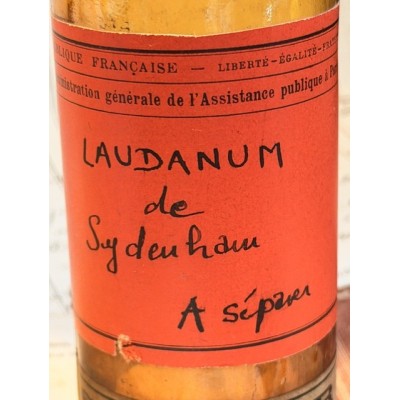
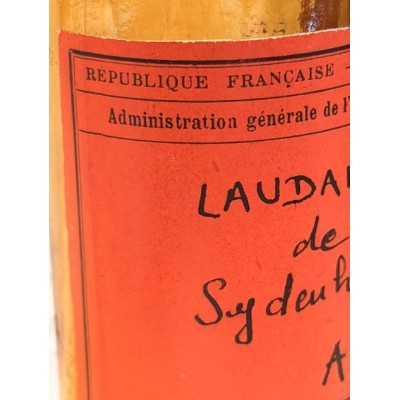
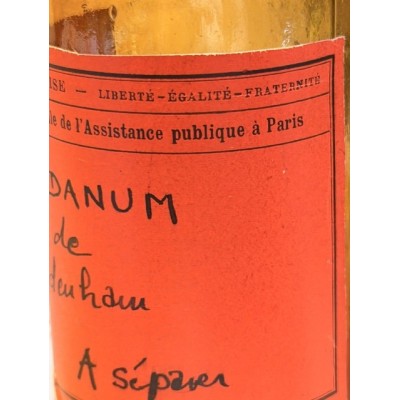
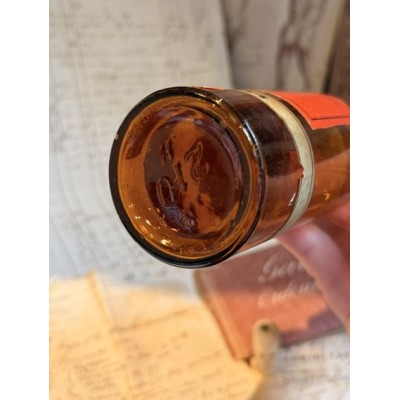
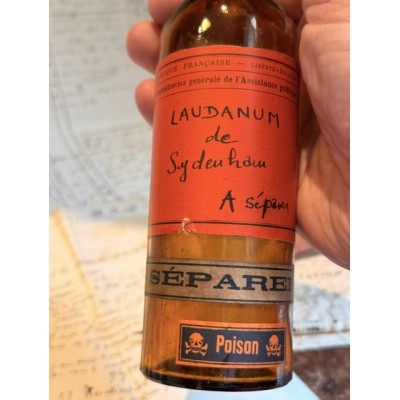
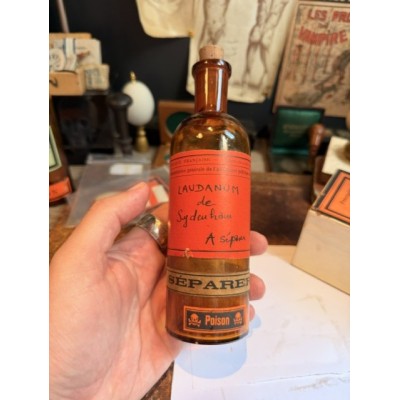
Sydenham's Laudanum - Opium tincture
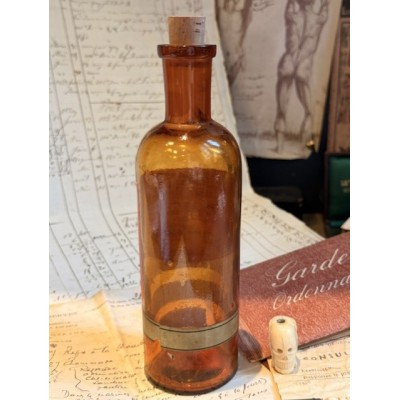
Antique pharmacy bottle
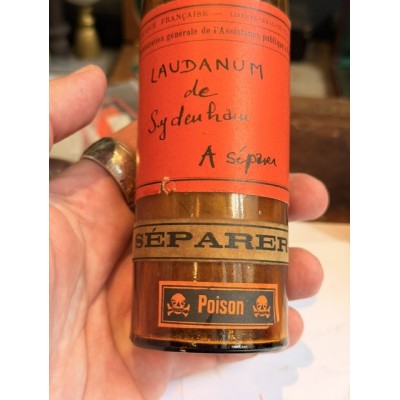
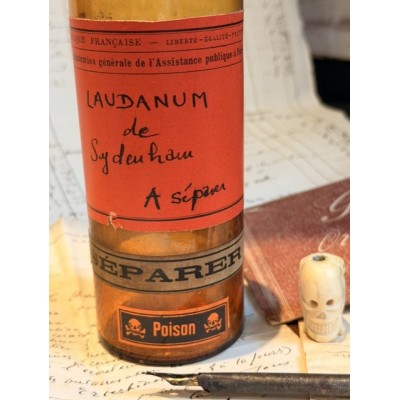
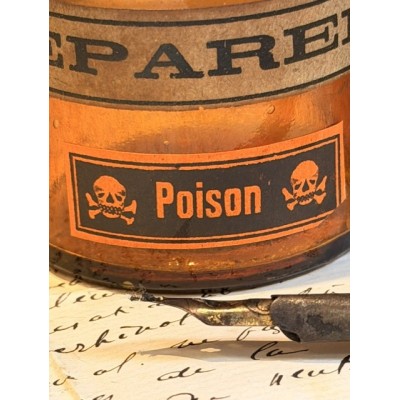
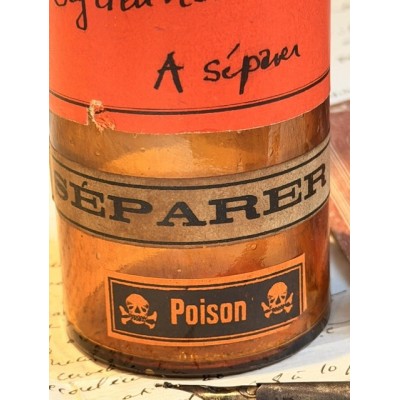
Labels: SEPARATE and POISON label with skulls with crossed bones
This means that this bottle had to be kept separate from the others because it was dangerous - POISON
EMPTY
Sydenham's Laudanum - Opium tincture
Antique pharmacy bottle
Labels: SEPARATE and POISON label with skulls with crossed bones
Which means that this bottle had to be kept apart from the others because it was very dangerous and deadly - POISON
Laboratory reserve amber glass bottle from the early 20th century, coming from the network of hospitals and pharmacies of the General Administration of Public Assistance in Paris.
The bottle is distinguished by a hazard warning system of remarkable density: an official bright red label, the storage banner "TO SEPARATE" and a macabre cartridge flanked by two skulls framing the word "Poison".
It contained one of the most famous opiate preparations in the history of medicine: Sydenham’s Laudanum
Laudanum is a highly addictive alcoholic tincture of opium.
Sydenham’s laudanum is a saffron opium tincture introduced and tested by Sydenham during the dysentery epidemics of 1669-1672 in London, nicknamed "the aspirin of the 19th century".
Until the widespread use of morphine, this remedy will remain the most widely used analgesic. It is a calming opiate brew.
In England, it was customary to give a little laudanum to restless babies to make them sleep... It was commonly prescribed in Victorian homes as a painkiller and often recommended for diarrhea, cough, rheumatism, painful menstruation, heart disease, hysteria etc.
But pharmaceutical opiate preparations will move easily from therapeutic to recreational use, especially as they are available over the counter at low cost in the UK.
Opiomania affects all classes of society in England and even generates an aesthetic research that will leave a trace in the history of literature. The poets Coleridge, De Quincey, Poe and Baudelaire who call themselves "opium eaters" (opiophages), however, are rather opium drinkers.
However, in this 19th century, the rise of the addictive consumption of laudanum in popular English circles created very serious health problems.
There are no longer any commercially available forms of this dye in France.
Here, the bottle is accompanied by several warnings: this substance had to be stored separately in the Poisons Cabinet, whose key was held only by the pharmacist.
It comes from an old cellar-laboratory in a Parisian pharmacy. The bottles had not moved since the late 1950s on the shelves!
Height of the bottle: 19.5cm with cap
EMPTY
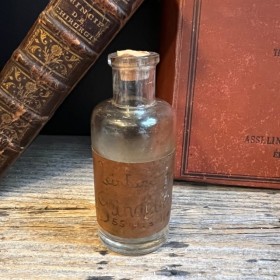
Grindelia Tincture
Antique medicine bottle
Apothecary

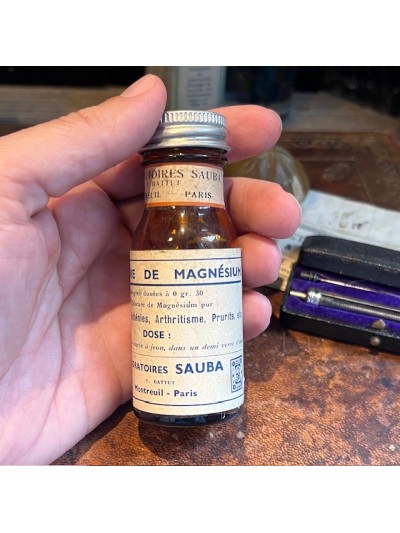
Chlorure de magnésium
Antique pharmacy bottle
Apothecary vial
EMPTY
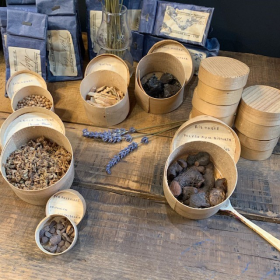
Antique wooden box for herbal medicine - Samples of plants, seeds, bark etc.
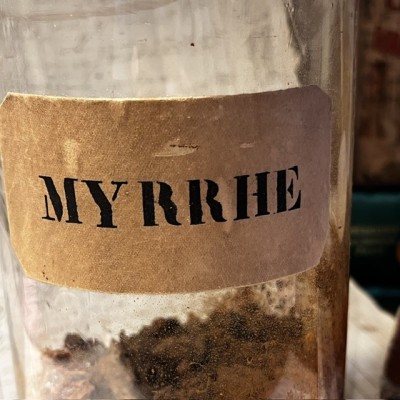
Myrrh
Antique pharmacy bottle - Wide-mouth apothecary jar.
19th-century mouth-blown glass
There is still some product left inside
A fascinating artifact from the history of pharmacology
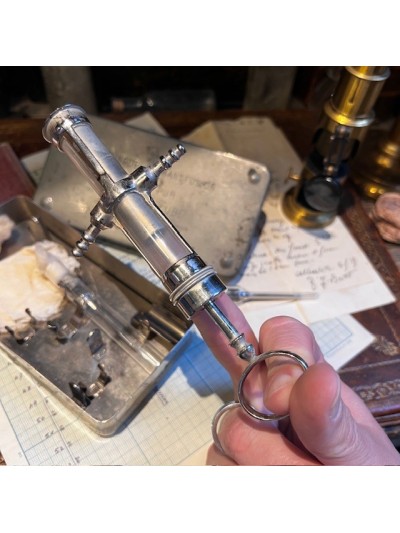
Doctor Louis Jubé pure blood transfusion syringe
For arm-to-arm transfusions
In its metal box
Around 1925/1930
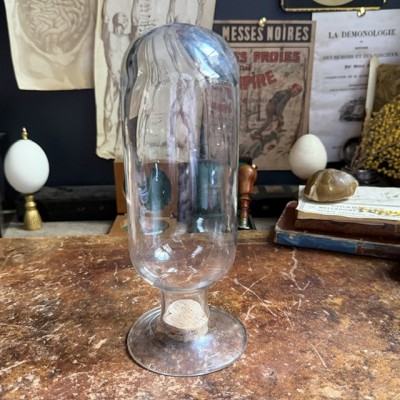
Specimen jar in blown glass – Inverted apothecary jar - Seed vase
Size M
A vintage laboratory or conservatory container designed for the display and preservation of biological or botanical specimens
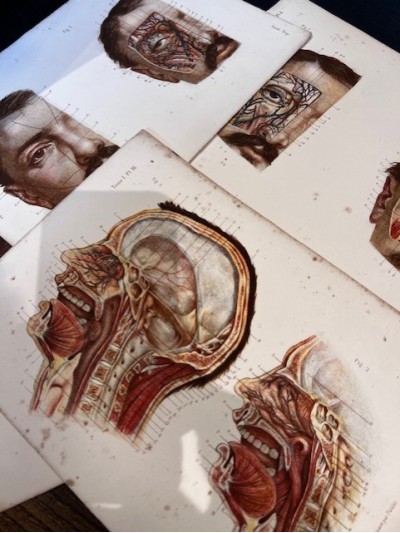
Anatomical chart by Paulet and Sarazin
From the Traité d'anatomie topographique (Treatise on topographical anatomy)
Published in 1867-1870
Chromolithography
You buy 1 plate, not the whole set
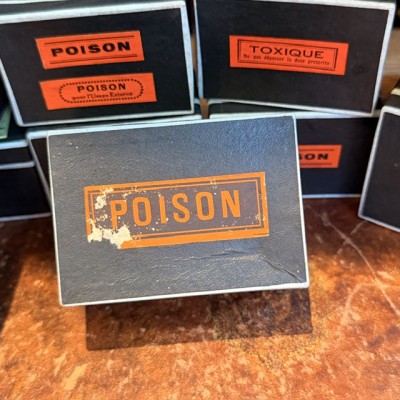
Antique labels in a pharmacy box for cures made of canvas cardboard
Poison label - Ref A
The pharmacist used his boxes of medicine to put away the labels he would then put on the bottles that he would resell to his customers.
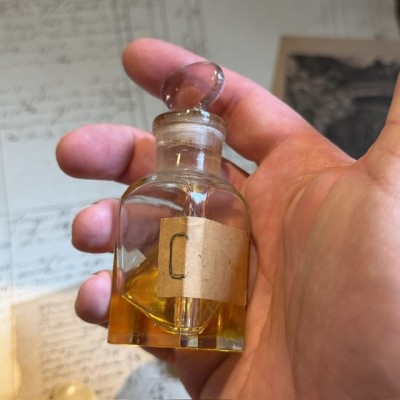
Cèdre - Cedarwood Oil
Antique pharmacy bottle
There is some product left, but the stopper is stuck
The writing has faded, but in oblique light one can make out CEDRE
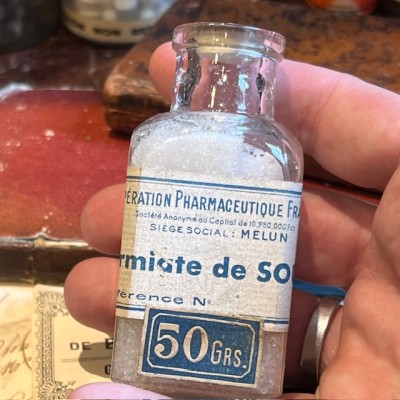
Sodium formate
Antique pharmacy bottle - Apothecary
There is still some product left inside
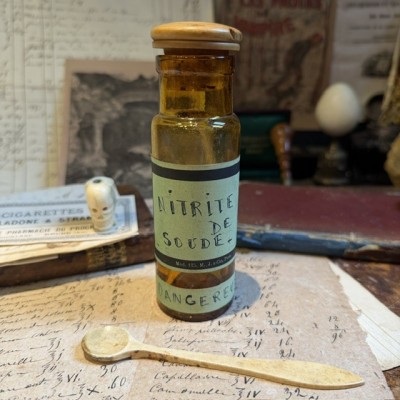
Sodium Nitrite
Antique amber glass bottle, with a boxwood and cork stopper.
Label: DANGEROUS
Indicating to the pharmacist that it must be stored separately from other substances in the cabinet for toxic substances, the famous ‘poison cabinet’.
It comes from the former cellar-laboratory of a Parisian pharmacy. The bottles had not been moved from the shelves since the late 1950s. The cellar had served as a medical analysis laboratory and a laboratory for the pharmacy’s compounded preparations from 1900 until around 1950.
EMPTY
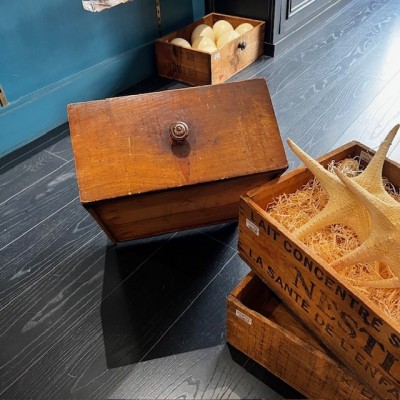
Large antique wooden pharmacy drawer with compartments - From a pharmacy or herbalist's cabinet
4 compartments
Ref A - 39.5x50cm
Can be used as a storage box
Weight: 4.1kg !
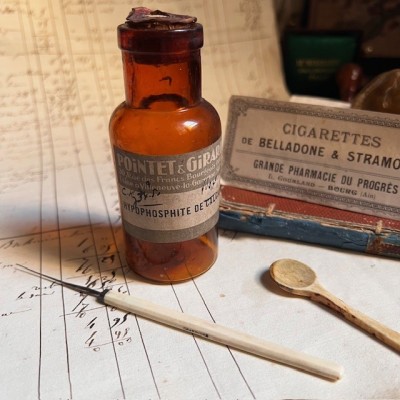
Hypophosphite de Calcium
Antique pharmacy bottle
EMPTY

Aqua Piris - Pear water
Antique pharmacy jar
Apothecary
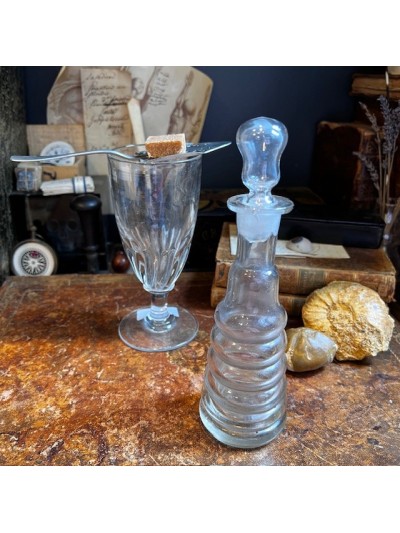
An antique absinthe topette (decanter)
6 Beaded Topette
Residue in the bottom of the carafe
Sydenham's Laudanum - Opium tincture
Antique pharmacy bottle
Labels: SEPARATE and POISON label with skulls with crossed bones
This means that this bottle had to be kept separate from the others because it was dangerous - POISON
EMPTY