
- New
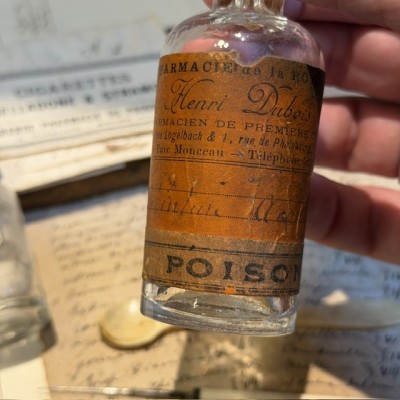
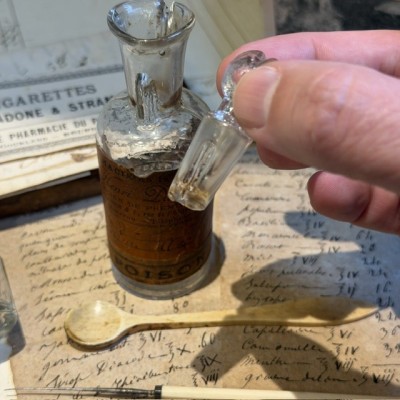
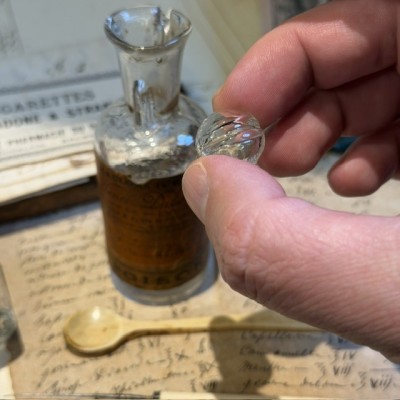
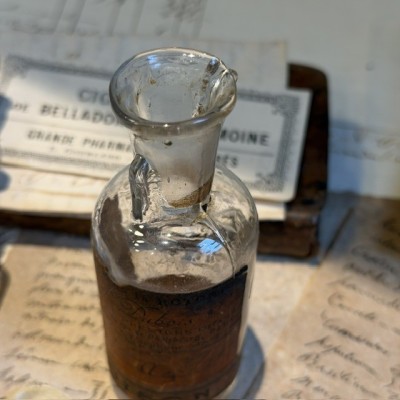
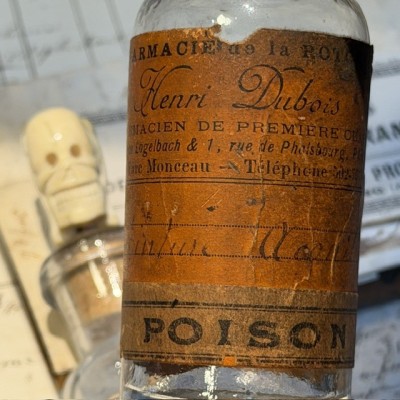
Aconite tincture
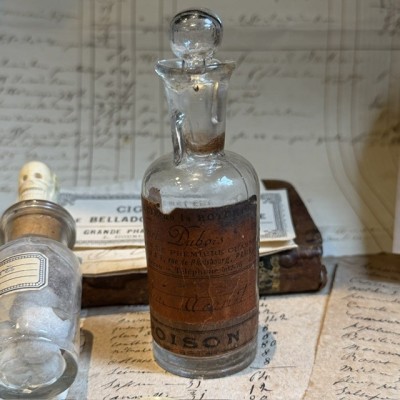
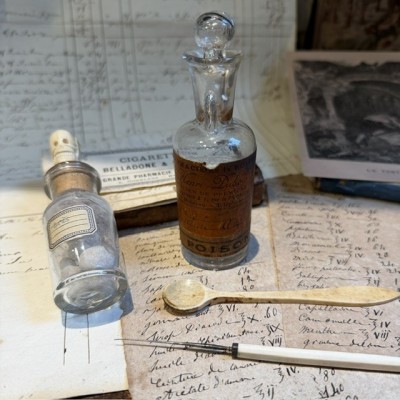
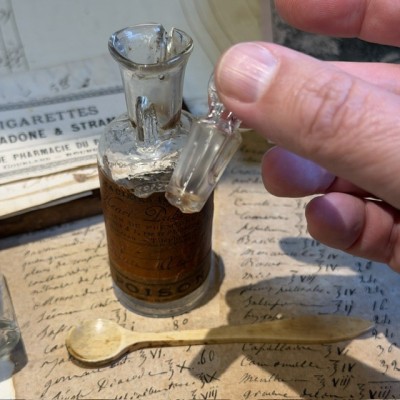
Antique pharmacy dropper bottle
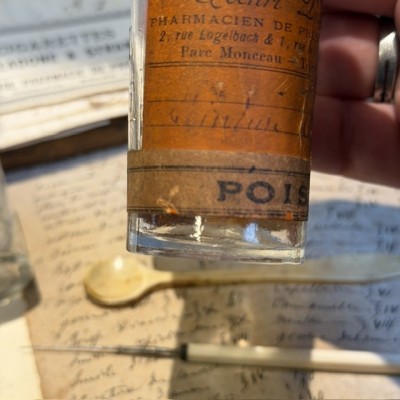
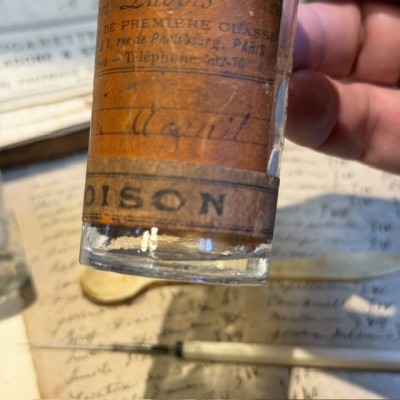
Dangerous and lethal product – POISON
It comes from the former laboratory cellar of a Parisian pharmacy. The bottles had not been moved from the shelves since the late 1950s. The cellar had served as a medical analysis laboratory and a laboratory for the pharmacy’s compounded preparations from 1900 until around 1950.
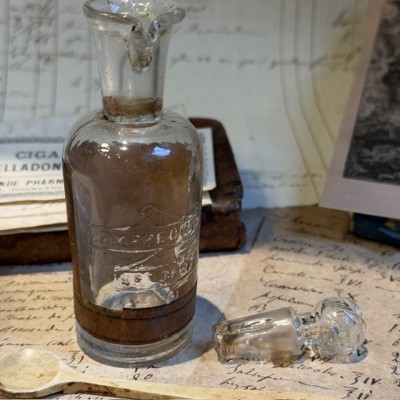
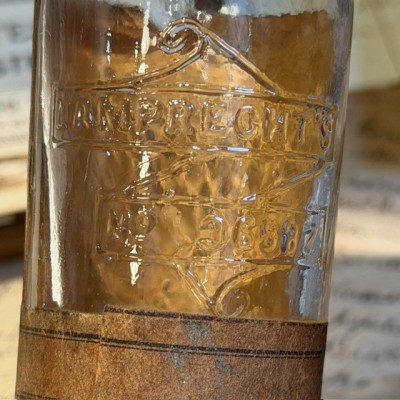
This is a Lamprecht dropper bottle, as can be seen from the embossing on the back of the glass; to be more precise, it is model 36537, a patented design. Lamprecht was known for having invented these bottles around 1882. And as the owner of the Pharmacie de la Rotonde changed in 1900, the bottle therefore dates from the 19th century.
EMPTY
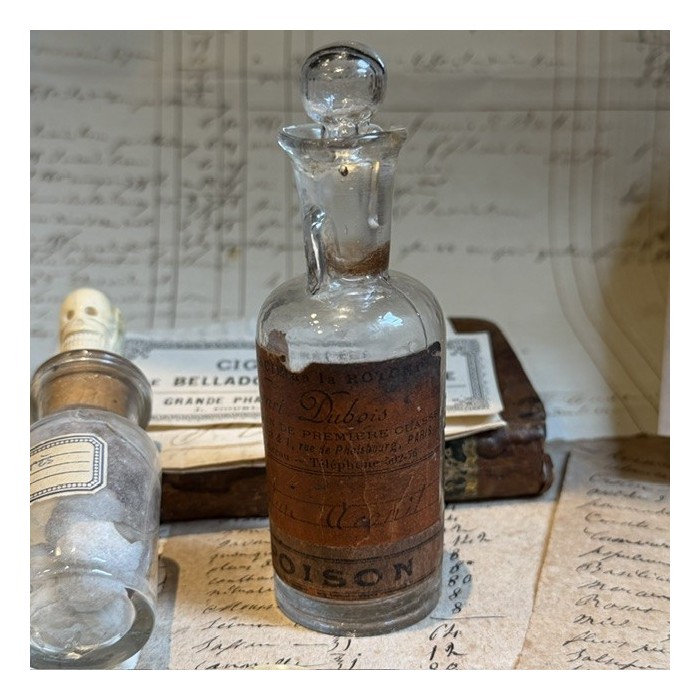
Aconite Tincture
Antique pharmacy dropper bottle
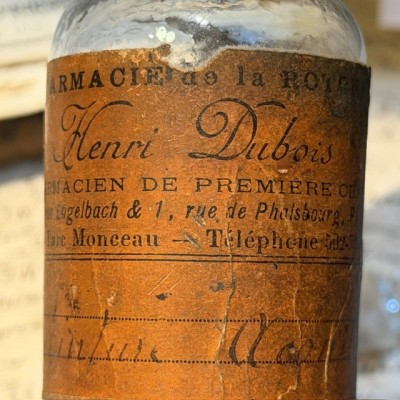
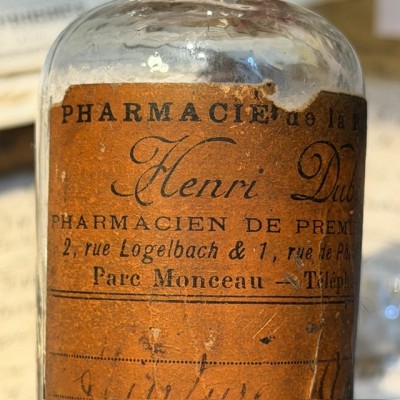
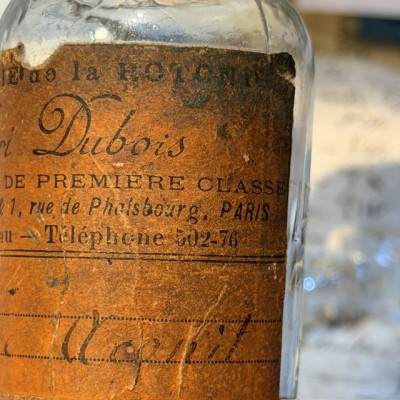
Pharmacie de la Rotonde
Henri Dubois, First-Class Pharmacist
2, rue Logelbach & 1, rue de Phalsbourg, Paris (near Parc Monceau)
Telephone: 502-76
The Queen of Poisons: aconite! Also known as Wolfsbane
Extremely toxic; it is estimated that 2 to 4 milligrammes – the size of a grain of sand – is enough to kill an adult within a few hours by causing progressive paralysis of the respiratory and cardiac centres.
However, it was used in very small doses as a painkiller, a cough suppressant or to reduce fevers.
Here, the bottle is also accompanied by a POISON label: this substance had to be stored separately in the Poison Cabinet, the key to which was held solely by the chemist.
It comes from the former cellar-laboratory of a Parisian pharmacy. The bottles had not been moved from the shelves since the late 1950s. The cellar had served as a medical analysis laboratory and a laboratory for the pharmacy’s compounded preparations from 1900 until around 1950.
Height of the bottle: 12cm with stopper
This is a Lamprecht dropper bottle, as can be seen from the embossing on the back of the glass; to be more precise, it is model 36537, a patented design. Lamprecht was known for having invented these bottles around 1882. And as the owner of the Pharmacie de la Rotonde changed in 1900, the bottle therefore dates from the 19th century.
EMPTY

Human jaws in porcelain mounted on a blackened wooden base
Anatomical dental model for dentists
19th century
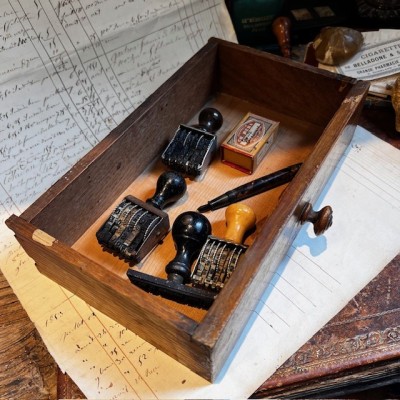
The Pharmacist's Drawer
Small antique wooden pharmacy drawer that can be used as a storage box
A true time capsule!
Sold with its contents, just as they were found when discovered in the basement of this Parisian pharmacy.

Cours d'opérations de chirurgie, démontrées au Jardin Royal
Course of surgical operations, demonstrated in the Royal Garden
Published in 1751 in Paris, by d'Houry, sole printer and bookseller to Monseigneur le Duc d'Orléans
Fourth edition
Illustrated with numerous plates and engravings in the text, including the famous plate of Poor Malabou and her scrotal elephantiasis on page 112/113, which the author mentions on page 373.
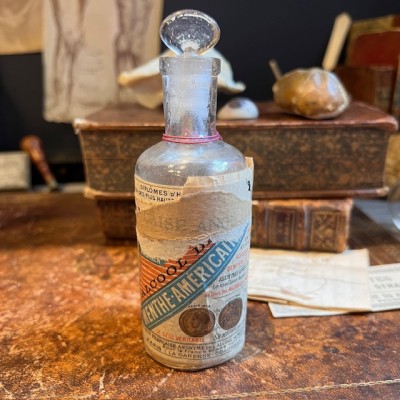
American mint alcohol
Antique pharmacy bottle
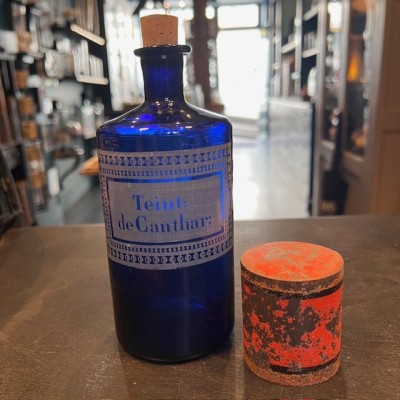
Teinture de Cantharides - POISON
Lytta vesicatoria - Spanish fly
Antique blue glass pharmacy bottle - Apothecary
Early 20th century - Blown glass.
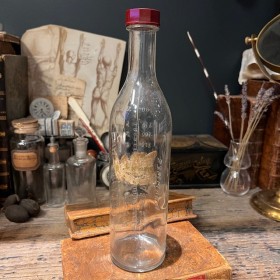
Horseradish syrup
Grams / Tablespoons - Graduated bottle
in French: Grammes / Cuillères à soupe
Antique medicine bottle
Apothecary
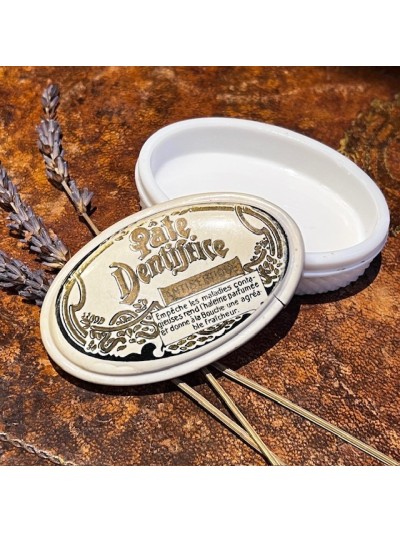
Toothpaste - Antique apothecary
Porcelain pot with illustrated plastic lid
Antiseptic
Early 20th century - Caution the lid is cracked
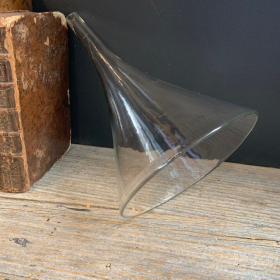
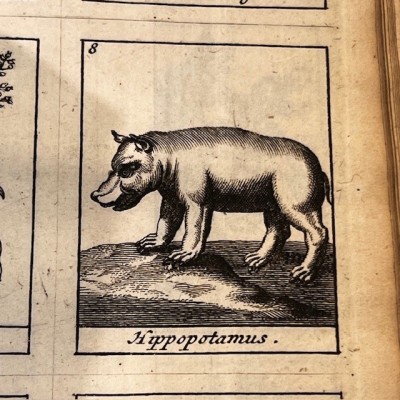
Dictionnaire Universel des Drogues Simples
Universal dictionnary of Simple Drugs
By Nicolas Lemery
An antique illustrated pharmacopoeia from 1727 - A Dutch pirated edition

Essence of star anise
Antique pharmacy bottle
Apothecary vial
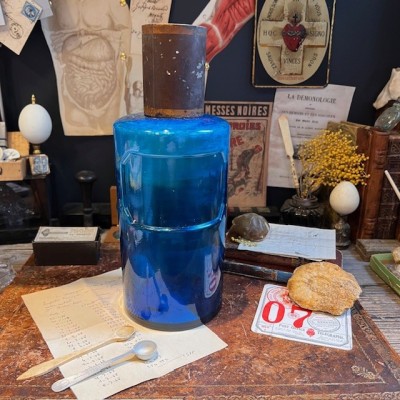
Very Large cobalt blue glass pharmacy bottle - Apothecary - Shouldered - H27.5cm - 19th century
Shouldered apothecary bottle - Antique pharmacy bottle
Mouth-blown glass - Cobalt blue color tinted throughout
This large-capacity jar was a storage jar intended for stockpiling

Sparteine sulphate
Used as a tonic for nervous syndromes at the very beginning of the 20th century, sparteine was also used to facilitate morphine withdrawal.
Antique pharmacy bottle
Apothecary vial
Some product left inside
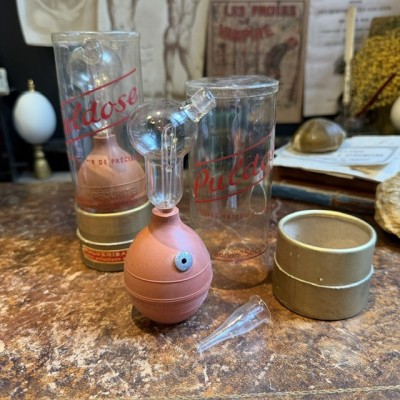
Puldose Nasal Spray for aqueous solutions - Antique remedy
In its Plastic box
Used in otolaryngology, it was intended for nasal or oral sprays in the treatment of colds and antiseptic treatment of the respiratory tract.
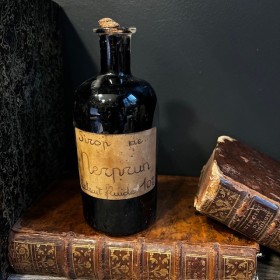
Buckthorns syrup
Antique pharmacy bottle
Apothecary vial
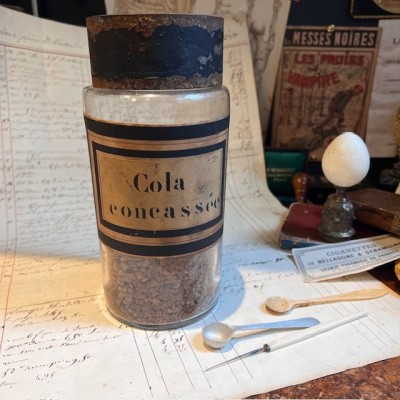
Crushed cola nuts
Antique pharmacy bottle - Wide-mouth apothecary jar.
19th-century mouth-blown glass
There is still some product left inside
A fascinating artifact from the history of pharmacology
Aconite tincture
Antique pharmacy dropper bottle
Dangerous and lethal product – POISON
It comes from the former laboratory cellar of a Parisian pharmacy. The bottles had not been moved from the shelves since the late 1950s. The cellar had served as a medical analysis laboratory and a laboratory for the pharmacy’s compounded preparations from 1900 until around 1950.
This is a Lamprecht dropper bottle, as can be seen from the embossing on the back of the glass; to be more precise, it is model 36537, a patented design. Lamprecht was known for having invented these bottles around 1882. And as the owner of the Pharmacie de la Rotonde changed in 1900, the bottle therefore dates from the 19th century.
EMPTY