
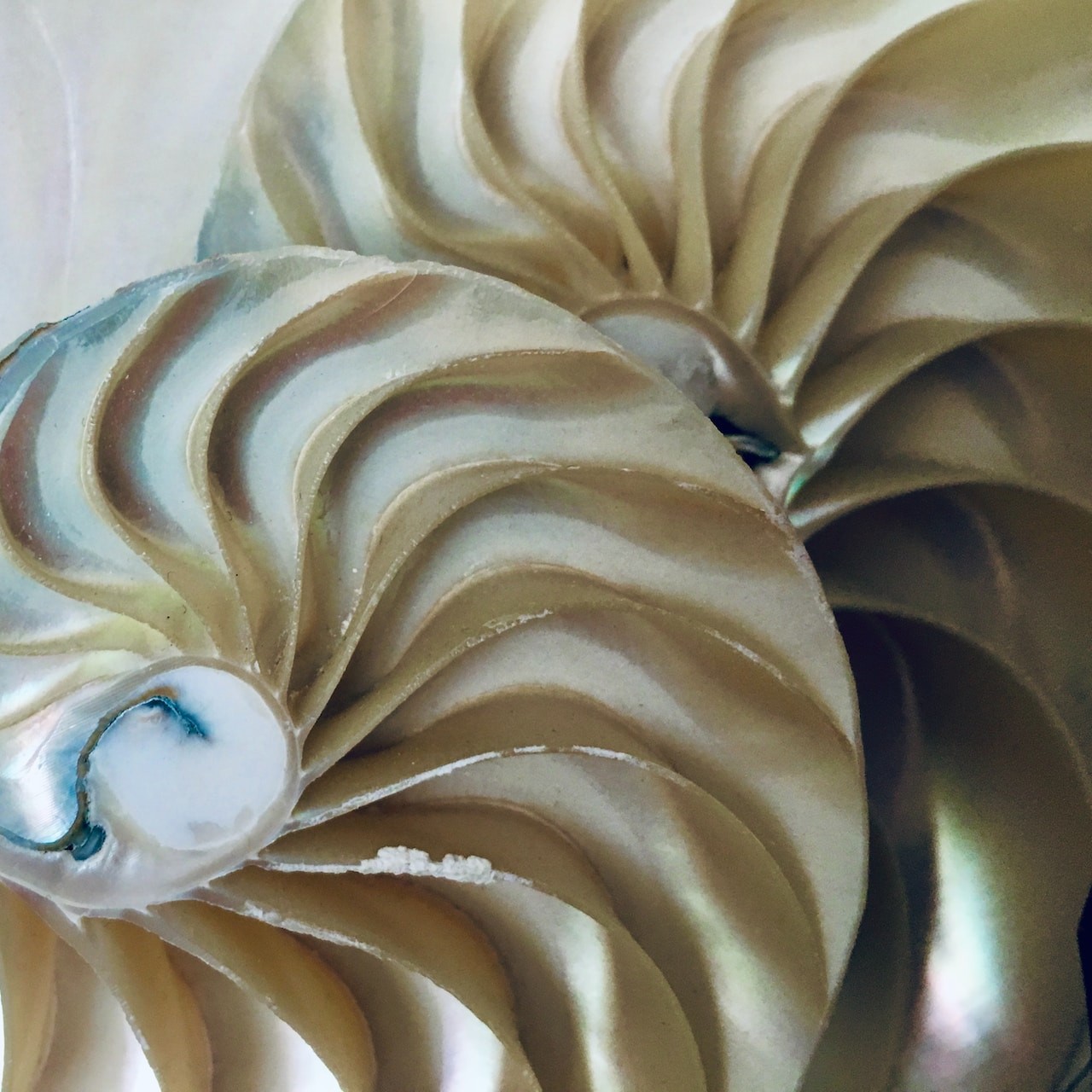

- Created by Curiositas
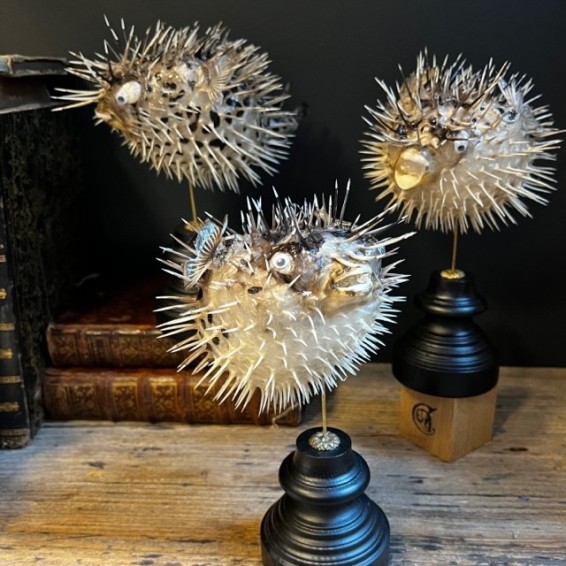
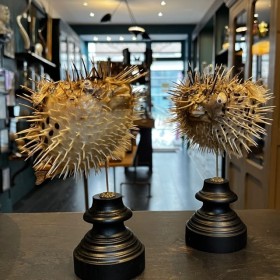
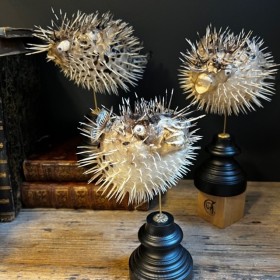
Diodon fish
Porcupinefish on wooden pedestal
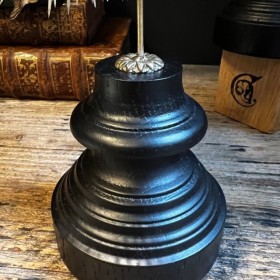
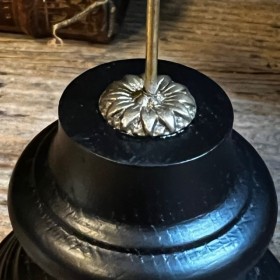
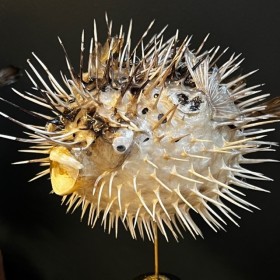
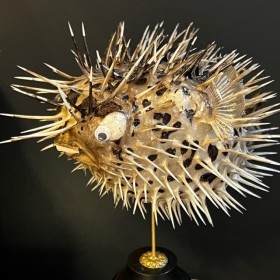
Diodon fish - Porcupinefish on black painted wooden base
The genus Diodon includes species of fish from the family Diodontidae with the ability to swell. Another of their characteristics is to have spines.
When they feel in danger, Diodon inflate very quickly to frighten their aggressor. In fact they inflate by accumulating air or water in their esophagus until they take a spherical shape.
Variable height about 22-23cm.
Base in blackened wood, brass rod and rosace
All fishes are different
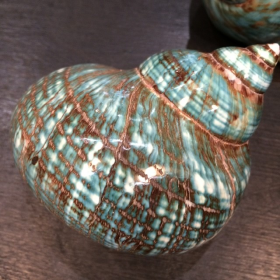
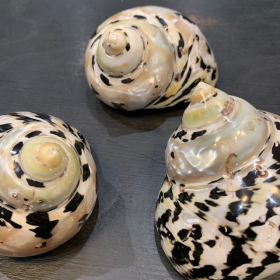
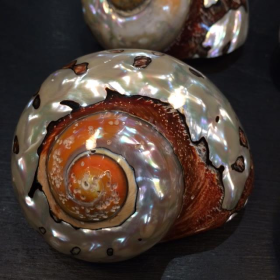
Green turbo (or burgo) from Madagascar - Turbo imperialis
Illustrative photos
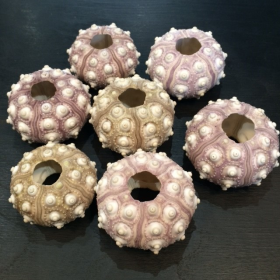
Test of sea urchin pencil
Species: phyllacanthus imperialis Indian Ocean
5/7cm
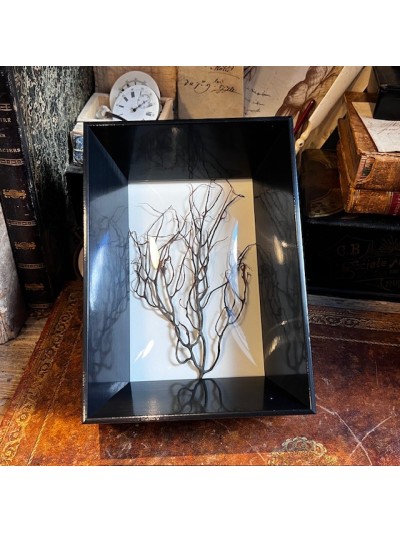
Sea fan branch
The sea fan is presented in a thick-bottomed box with curved glass.
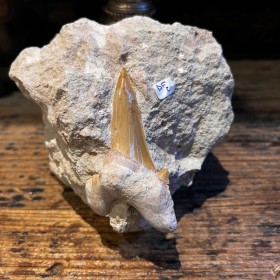
Shark tooth fossil
Otodus Obliquus dating from the Ypresian: 50 million years ago
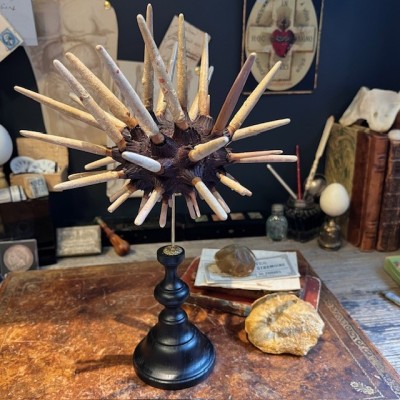
Slate pencil urchin on base - Heterocentrotus mamillatus
Origin: Indo-Pacific
There are always broken or missing picks
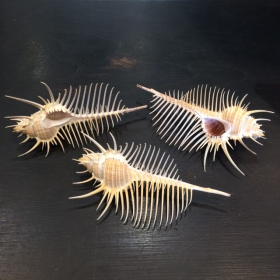
Venus Comb: Murex Pecten shell
Some teeth of the famous comb may be missing
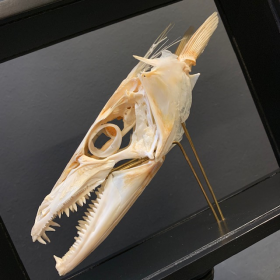
barracuda in it's glass reliquary box - Sphyraena barracuda
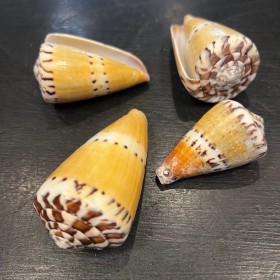
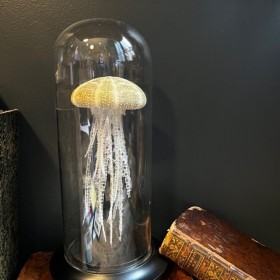
Jellyfish under a globe
Sea urchin and siliceous sponge
Shell under a bell
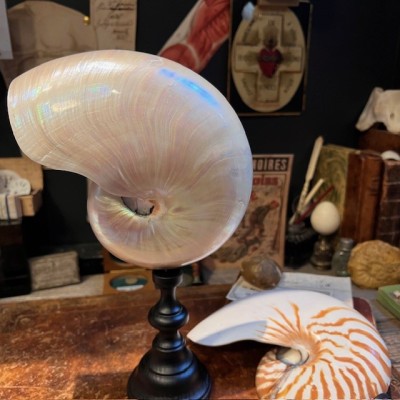
Pearly Half-Nautilus on turned wooden base
Nautilus pompilius
1 visible chip on the edge: see photos
Pre-CITES Convention Capture - Can only be sold in the European Union - Schengen space
It will be provided a document proving the anteriority of the catch pre-CITES convention

The Papal Mitre shell - Mitra papalis
Dimensions: 10/15cm
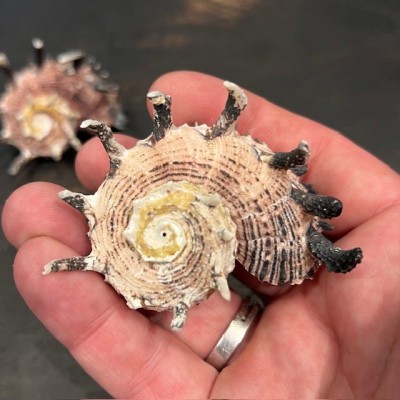
Angaria imperialis shell
Origin: Pacific Ocean
Approximately 6 cm
All shells are different - Illustrative images
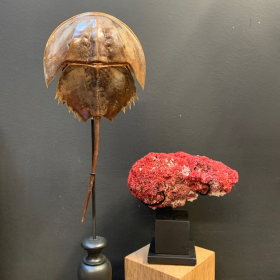
Horseshoe crab on base (Little size)
Carcinoscorpius rotundicauda from Philippines
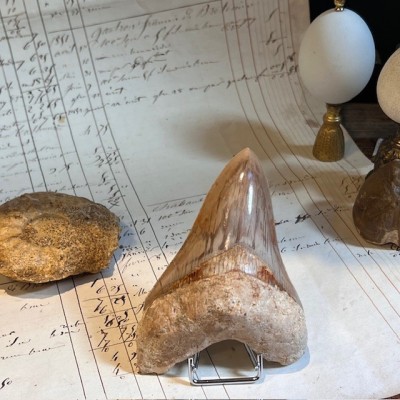
Megalodon tooth fossil - Otodus megalodon
11.8cm
Indonesia
Fossil shark tooth
Diodon fish
Porcupinefish on wooden pedestal