Pair of ebonite medical cannulas in their original box -...
Pair of ebonite medical cannulas in their original cardboard box
Circa 1920–1930
Original stock from that period
There are 656 products.
Pair of ebonite medical cannulas in their original cardboard box
Circa 1920–1930
Original stock from that period
Packet of Potato Starch
Circa 1920
New old stock
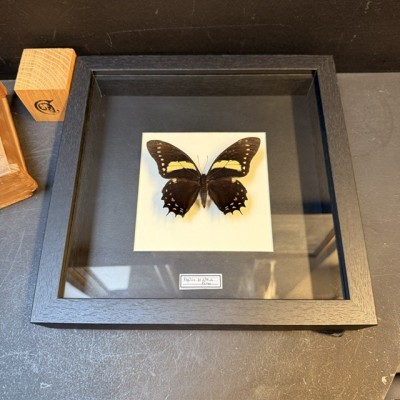
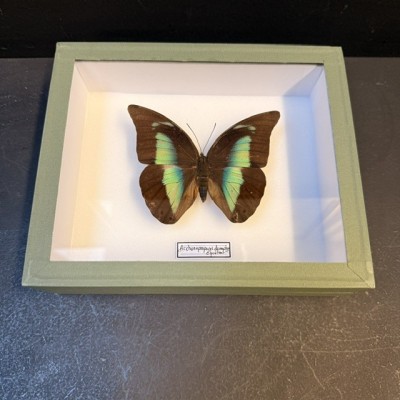
Butterfly bell - Size M
Species: Nessaea hewitsonii butterfly from Peru
Butterfly under glass bell
Species: Morpho aega from Brasil
Polished bone cannula - New vintage stock - In its reusable box
Vintage medical device designed to remove pinworms
Marketed between May 1939 and sometime in 1940
Ebonite cannula tip
Tips for enema or medical irrigation cannulas. New Old Stock
Marketed between May 1939 and sometime in 1940
Ebonite and glass laryngeal syringe
For intra-laryngeal injections.
Marketed between May 1939 and sometime in 1940
Octopus Tentacle Diaphanisation - Octopus vulgaris
Biological preparation
The purpose of diaphanisation is to make fabrics transparent. The fabrics are made transparent using a chemical process, and specific dyes are used.
The flesh is made transparent, and here the dyes will adhere to the skin that has not been removed.
All tentacles are different: illustrative photos
Antique mechanical date stamp with rotating discs
Light wooden handle and metal frame.
The metal mechanism is in working order, but the rotating rubber date bands are original, dry and cracked, and in some places broken (printing functionality not guaranteed).
Sold for decorative purposes.
The Apothecary’s Little Drawer
Small antique wooden apothecary’s drawer that can be used as a storage box – Trade drawer
To be diverted on the shelf or niche for your curiosities
Handcrafted using traditional methods, with dovetail joints and a turned wooden handle
Width: 26cm - Length: 15.5cm - Height: 5.5cm
All the drawers are different, with stains and varying signs of age on each one
Sold empty, without accessories
The Pharmacist's Dispensary Inkwell
Moulded glass safety inking pot - Late 19th century
sold without a pen
Impalpable Nux Vomica powder
White earthenware pot
Red POISON and TOXIC label
Signaling to the pharmacist that it is imperative to keep apart the other substances in the cabinet of toxic substances, the famous poison cabinet.
It comes from an old cellar-laboratory in a Parisian pharmacy. The bottles had not moved since the late 1950s on the shelves. The cellar had served as a laboratory for medical analyses and a laboratory for magistral preparations of the pharmacy from 1900 until around 1950.
EMPTY