
Septichrome - Antique pharmacy bottle - Apothecary
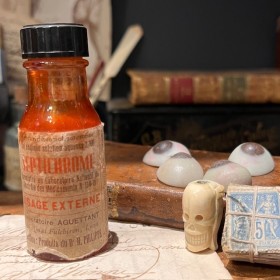
Septichrome
Antique pharmacy bottle
Apothecary vial
Price
€13.00
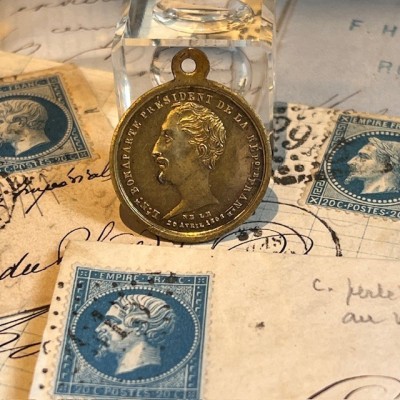
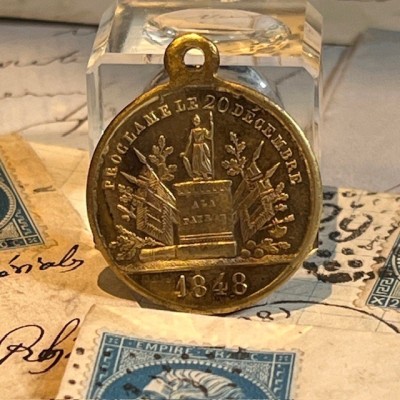
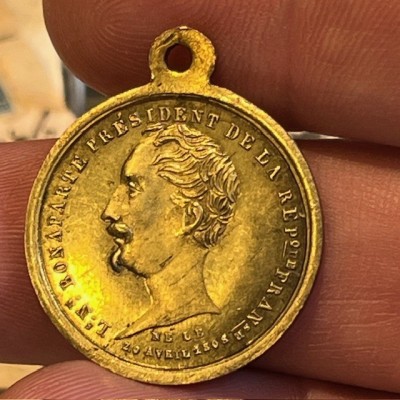
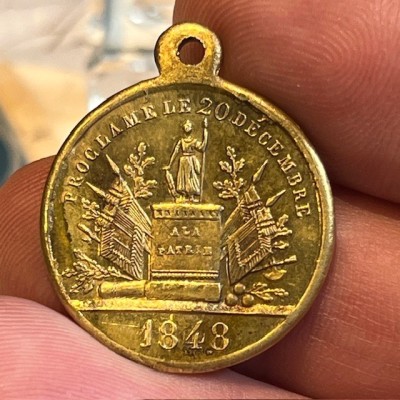
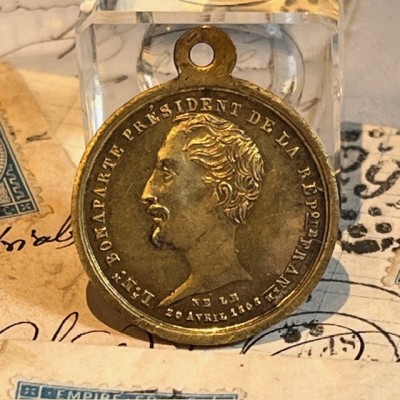
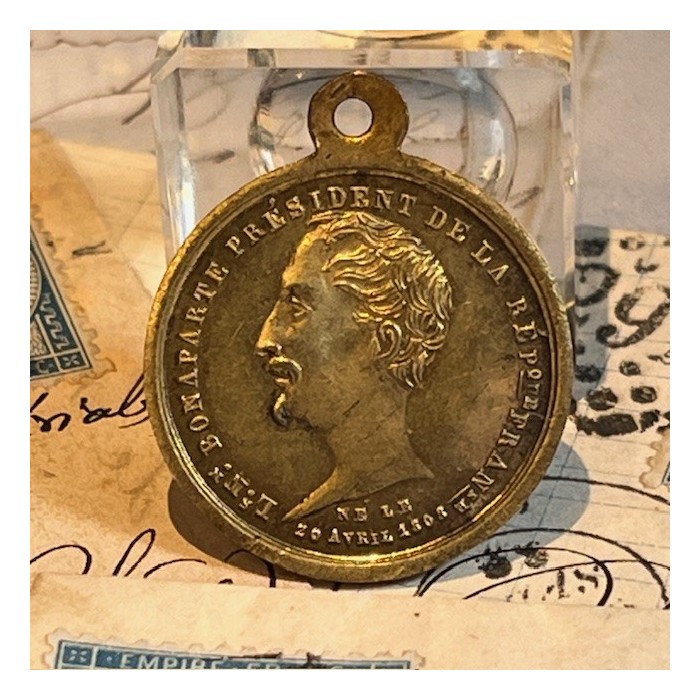
Commemorative medal - Token
Napoleon III - Second Empire
Commemorative medal - Token
Napoleon III - Second Empire
These modest metal objects were sold by peddlers on street corners in the most remote towns and villages of France.
The President of the Republic, Louis-Napoleon Bonaparte (the Prince-President), who became Emperor Napoleon III, had a large number of them minted, quickly realizing what a formidable propaganda tool they would be for his new political regime.
These medals commemorate his public life, first as the first President of the French Republic in 1848 and finally as Emperor of the French in 1852 until the fall of the Empire in 1870. Even though medals continued to be minted until 1879 and the death of the Prince Imperial, his son.
They trace imperial politics, such as the various plebiscites and wars, as well as the private life of the imperial family.
Materials: Copper and brass
Various medals models are available:
- December 20, 1848 proclamation of Louis Napoleon as President - Ø22 mm
- Proclamation of the 1851 plebiscite (which allowed Louis Napoleon to remain in power by writing a new constitution) - Ø34 mm
- Regeneration of August 15, 1813, on August 15, 1852 (for the restoration of the feast of Saint Napoleon on August 15) - Ø23 mm
- Proclamation of the plebiscite of December 2, 1852, Napoleon III Emperor - Ø22 mm
- 1856 Crimean War honor to the peacemakers of the East peace treaty of March 30, 1856 - Ø22 mm
- Inauguration of the St Michel Fountain August 15, 1860 - Ø22 mm
- 1867 World's Fair - Ø27 mm
These are indeed medals characterized by their suspension ring and not tokens or coins.
They could be worn to affirm a political or sentimental commitment, just as others wore religious medals.
They were massively issued by private publishers in unofficial workshops.
Token (without suspension ring)
- June 15, 1860 annexation of Nice and Savoy - Ø20 mm
Septichrome
Antique pharmacy bottle
Apothecary vial
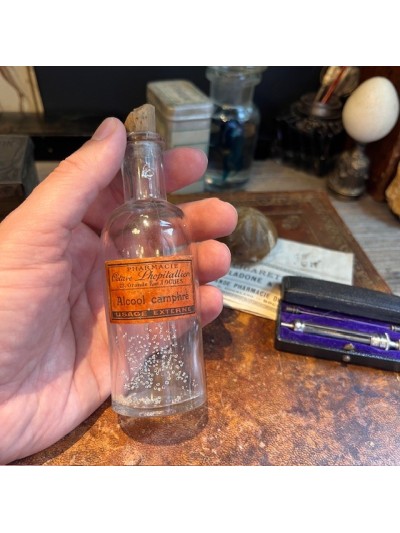
Camphorated alcohol
Antique pharmacy bottle
Apothecary vial
EMPTY

Hydrogen peroxide
Antique pharmacy bottle
Apothecary vial
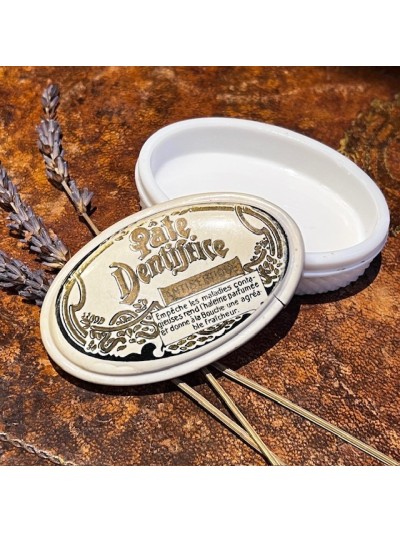
Toothpaste - Antique apothecary
Porcelain pot with illustrated plastic lid
Antiseptic
Early 20th century - Caution the lid is cracked
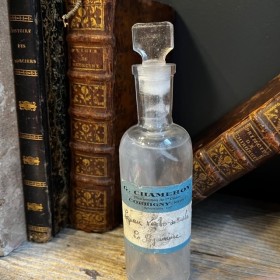
Vegetable-animal liqueur
Antique medicine bottle
Apothecary

Anatomy - Antique chart by D'Orbigny - 1869
In colors
Atlas of the Universal Dictionary of Natural History
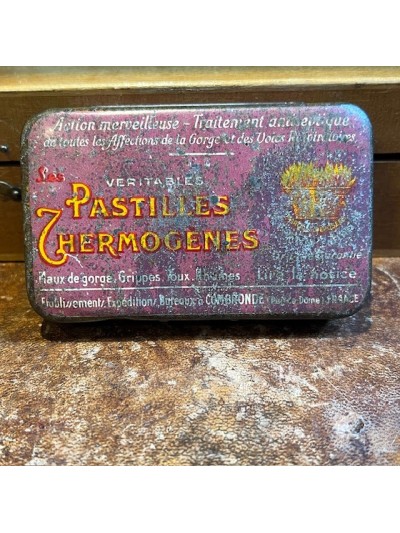
Pastilles themogène - Le Mortier Enflammé
Themogenic tablets - The Flaming Mortar
Antique tin medicine box
Empty
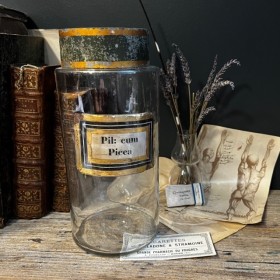
Cumin Epicea Pill - Pil: Cum Picea
Antique blown glass pharmacy jar
Apothecary
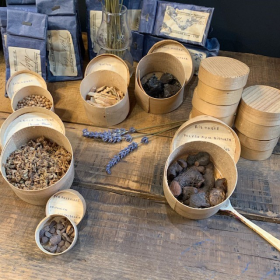
Antique wooden box for herbal medicine - Samples of plants, seeds, bark etc.
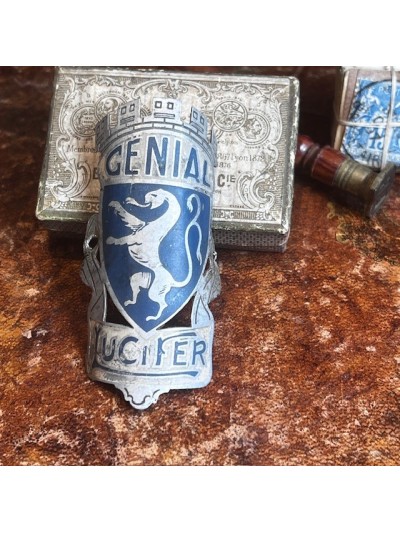
Génial Lucifer - Bicycle plate circa 1940 (means Great Lucifer)
Painted sheet metal circa 1940
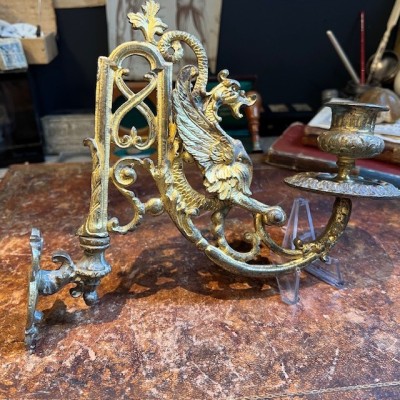
Chimera bronze piano candle holder
Wax jack
19th century
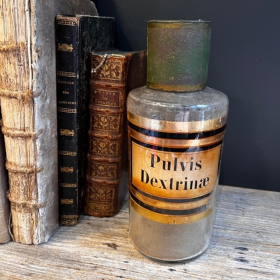
Dextrin powder - Starch - Pulvis Dextrinae
Antique pharmacy bottle
Blown glass
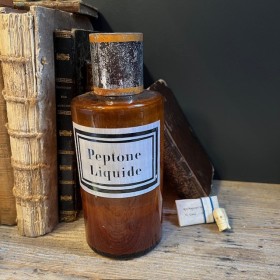
Antique pharmacy jar
Liquid Peptone
Raw meat product very fashionable in the first half of the 20th century.
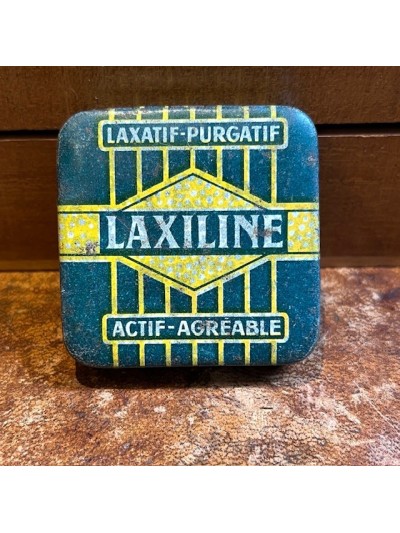
Laxiline tablets
Antique tin medicine box
Empty

Noirot Extract
Antique pharmacy bottle
Apothecary vial
Beautiful reflections in the glass
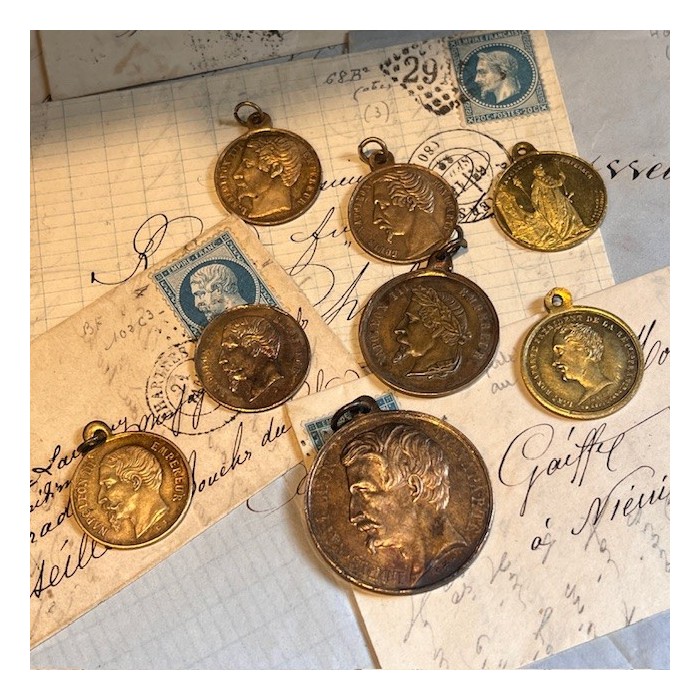
Commemorative medal - Token
Napoleon III - Second Empire